To ensure the safety of yourself, other supporting staff and the students. A Forest School leader must be able to identify flora and fauna to most importantly, protect everyone in the group from harm. Some plants and animals can cause injury, allergic reactions, or illness if touched or eaten, so recognising them is essential for managing risks. Accurate identification also helps leaders plan activities in suitable areas and allows them to give clear guidance to staff and students about what is safe to handle and what to avoid. No wildlife should be directly handled without the guidance of the leader “observe not disturb”
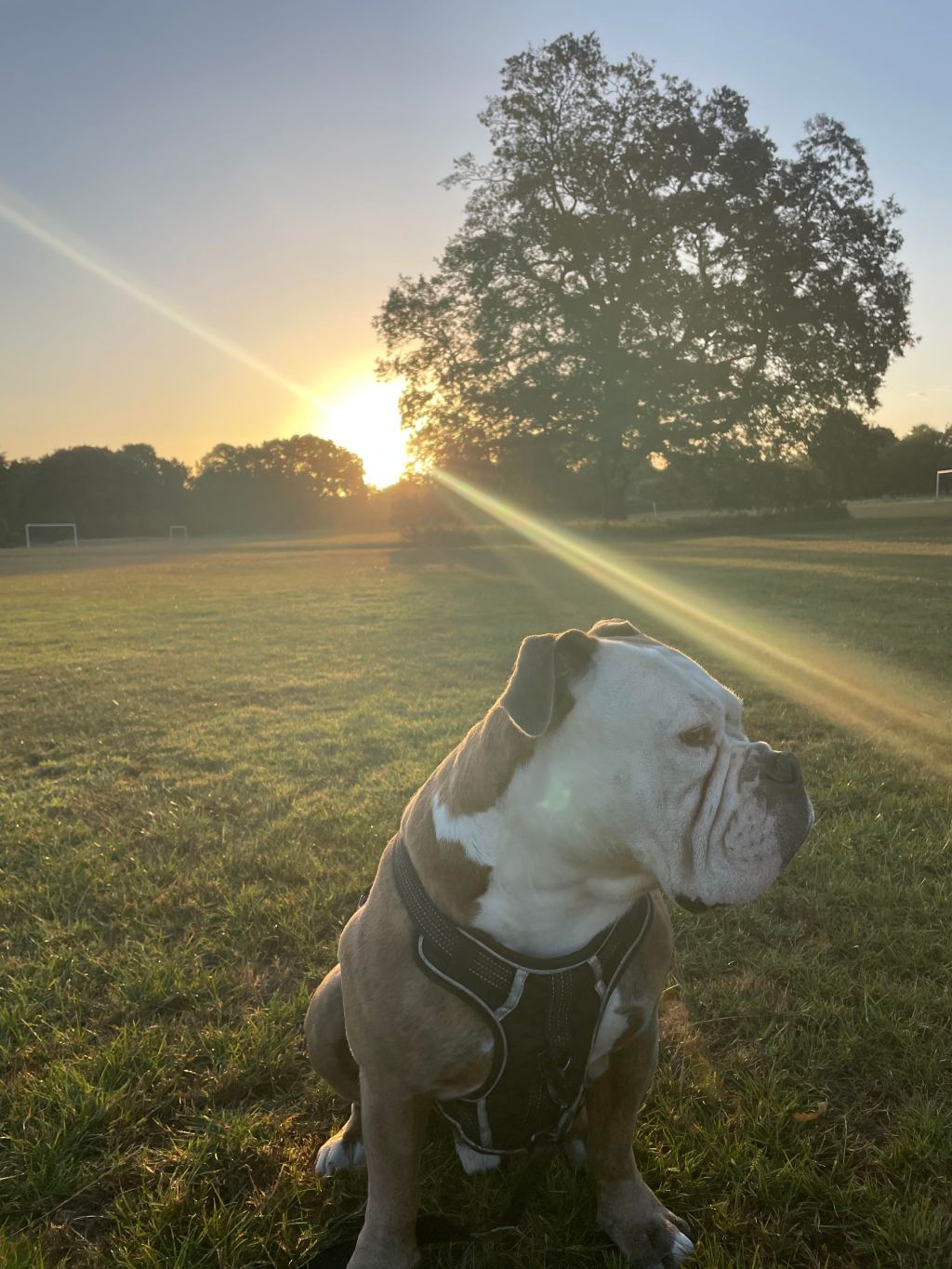
Below are some flora and fauna me and Bill have come across on our walks:-
- Foxglove (Digitalis purpurea) – beautiful purple flowers. A great plant for the bees but really poisonous if eaten.
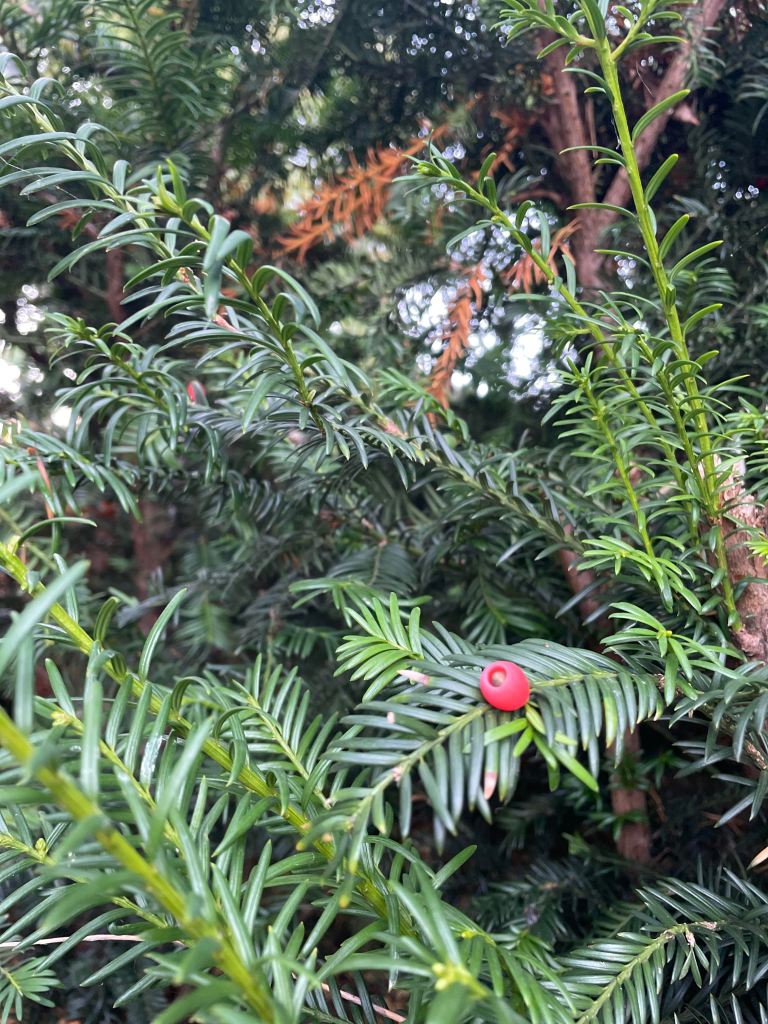
- Yew (Taxus baccata) – needles and berries (except the red flesh) are toxic.
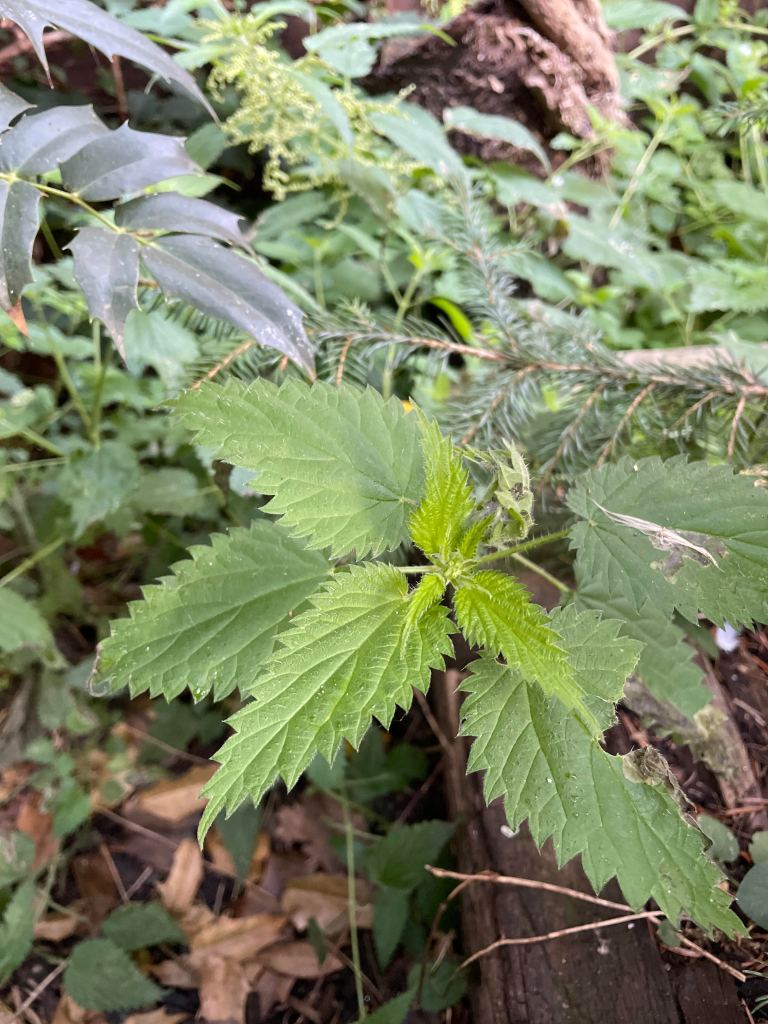
- Stinging nettle (Urtica dioica) – very common and spreads easily, causes painful stings and rashes.
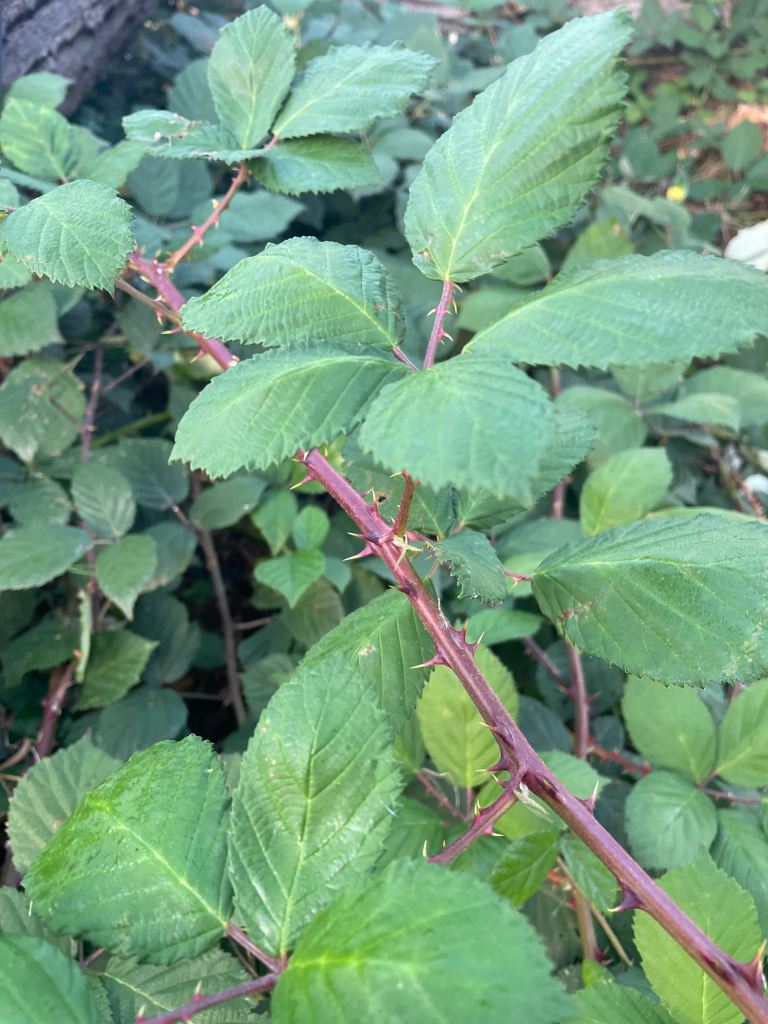
- Brambles & thorns (Rubus fruticosus, hawthorn, blackthorn, etc.) – can cause cuts to skin and trips as it catches your clothing
- Fungi – some are deadly poisonous if ingested.
- Wasps and bees, – stings hurt!!!! And can trigger allergic reactions (anaphylaxis).
- Horseflies (Tabanidae) – painful bites, risk of infection.
- Midges – nuisance bites, sometimes allergic reactions.
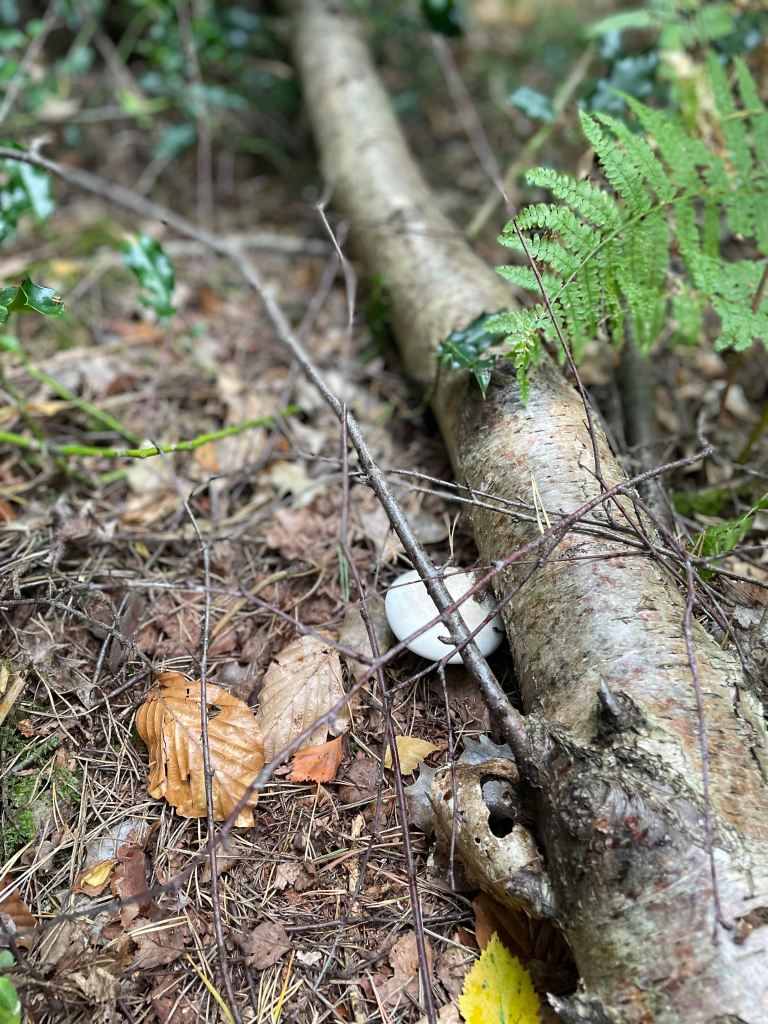

Knowing the information above will allow you to carry out a comprehensive risk assessment of your site.
Understanding what lives and grows in your environment can help you with the planning of your sessions. As well as the safety aspect, knowing what you are likely to come across in which area allows you to plan much more effective sessions. For example:-
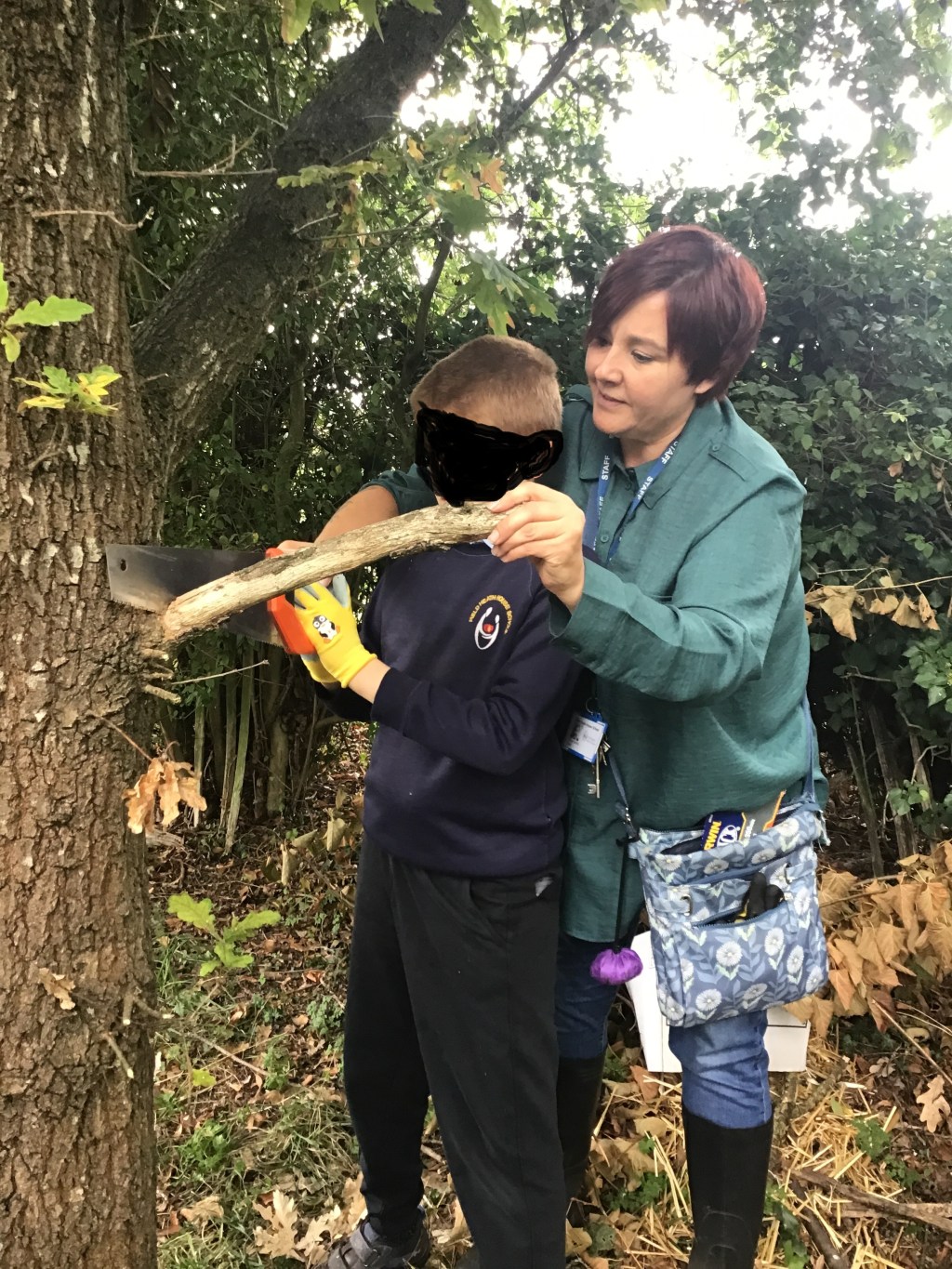
- Den building is easier if you understand where there is a good supply of suitable logs.
- Bug hunts are much more enjoyable if you can give the students a heads up on where they might find the minibeasts.
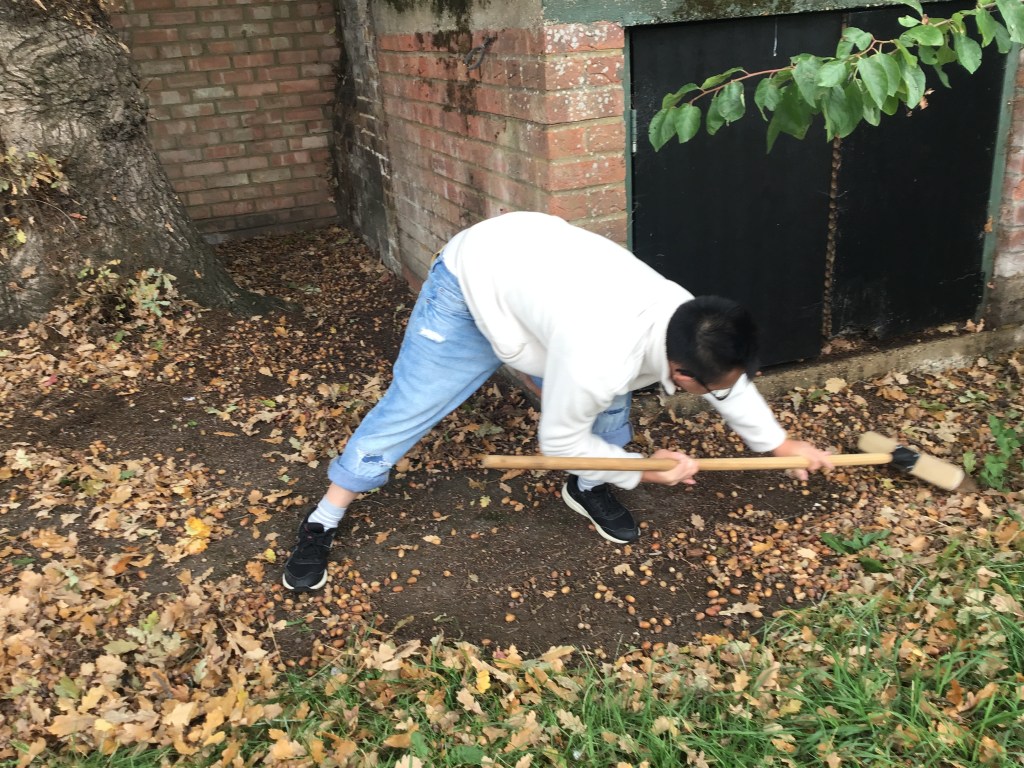
- Knowing where to find lots of fallen natural resources supports creative activities without disturbing the environment.
All the above ensure well planned sessions that are purposeful, enjoyable and kind to the environment.
Enhance your students learning and make them environmentally aware. Teach them how we can sustainably use the woodland alongside the plants and wildlife that live there. Teach them to respect their surroundings, to understand it. To move carefully through the woodland, to “notice and see” and not disturb. This approach fosters an environmental awareness, developing not only knowledge in our students but also a desire to take care of the plants and animals that they come across.
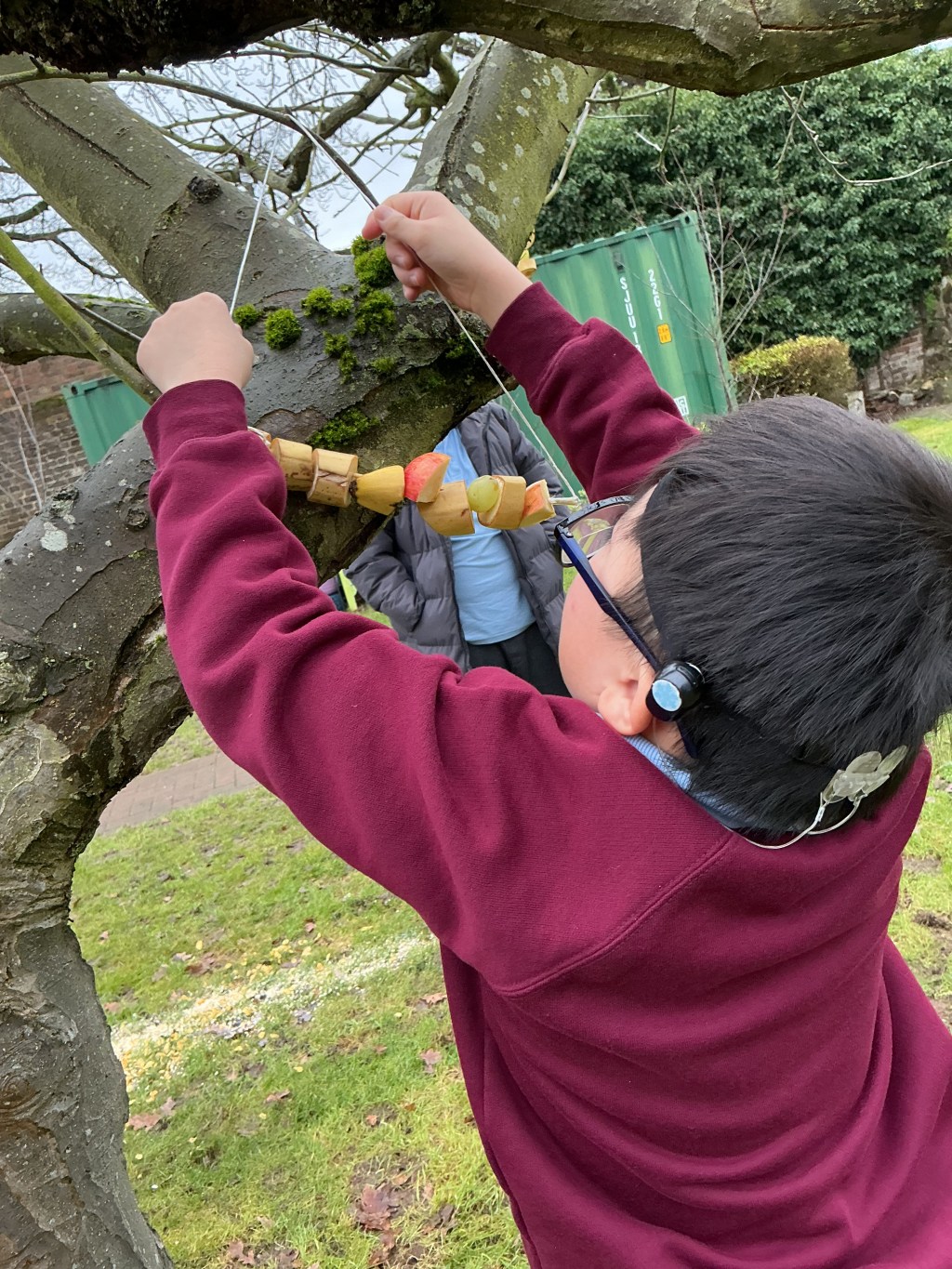
If you have a passion for being outdoors in the woodland, it can be contagious!!! Your students may find the same passion. Have fun sharing with them what you know – Sharing details about interesting plants and animals you come across, whether beautiful or potentially harmful, encourages curiosity. Taking time to carefully observe minibeasts teaches students to be mindful, and respectful of all living things, showing that even the tiny things are important and deserve our care.
Talking about the changes in the seasons and how the plants and animals respond, helps students understand the natural world and connect with nature.
 Forest Footsteps
Leave a comment