
The idea behind Forest School traces back to Scandinavia (Denmark and Sweden). In the 1950s, Denmark began using “open-air culture” (known as friluftsliv) in early-years education, emphasizing outdoor, nature-based play and learning. Friluftsliv focuses on:
Finding peace, balance, wellbeing and joy through outdoor experiences
Spending time outdoors in all seasons and weather
Simple, nature-based activities like walking, hiking, fishing, skiing, or paddling
Living in harmony with nature rather than trying to conquer it
In 1957 in Sweden, the “Skogsmulle” concept — a nature-oriented programme for children began, promoting learning about nature, environment, and self through play, stories and outdoor exploration. The key ideas of the Skogsmulle concept are:
Learning outdoors is central – the forest and natural spaces become the classroom
Children learn through storytelling, imagination and adventure
Emphasis on respect, care and responsibility for nature
Focuses on holistic development – physical, emotional, social and environmental
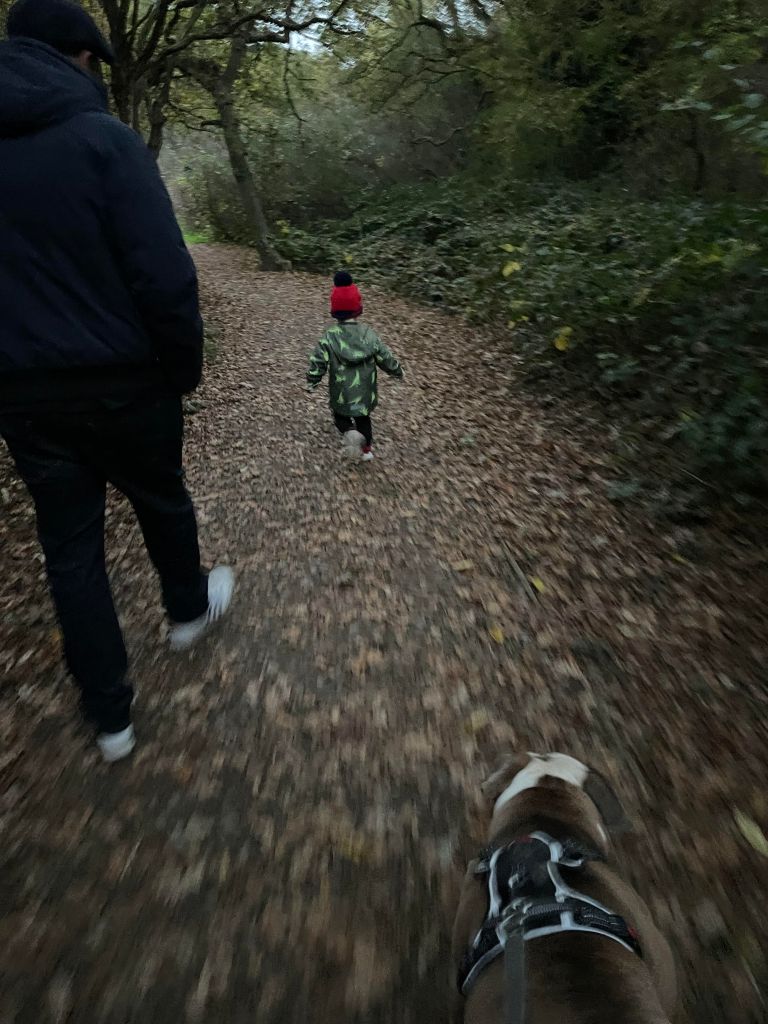
The current UK version of Forest School was introduced in 1993. A group of nursery nurses from Bridgwater College in Somerset visited Denmark to observe Danish forest kindergartens. Inspired, they brought the approach back to the UK and began establishing Forest School programmes.
By 1995, Bridgwater College was offering a BTech in Forest School, training early-years practitioners to deliver outdoor, child-led, woodland-based learning.
In 2002 the first national conference of UK Forest School practitioners was held, at which a UK definition of Forest School was formulated. The definition emphasised “regular opportunities to achieve, develop confidence and self-esteem through hands-on learning experiences in a local woodland environment.”
Over the 2000s, Forest School grew rapidly across Britain, supported by training providers and by agencies interested in outdoor learning — by 2006 around 140 Forest Schools had been established in the UK.
Forest School in West-London / Hillingdon area
Forest School has been adopted all across London, including outer London boroughs such as mine, Hillingdon.
Some independent and private schools in or around West-London reference using Forest School and outdoor learning in their curriculum. For instance, a school in Hillingdon that is walking distance from my home, mentions having “Outdoor Atelier”, “Court Park”, and a “Forest School” woodland campus.

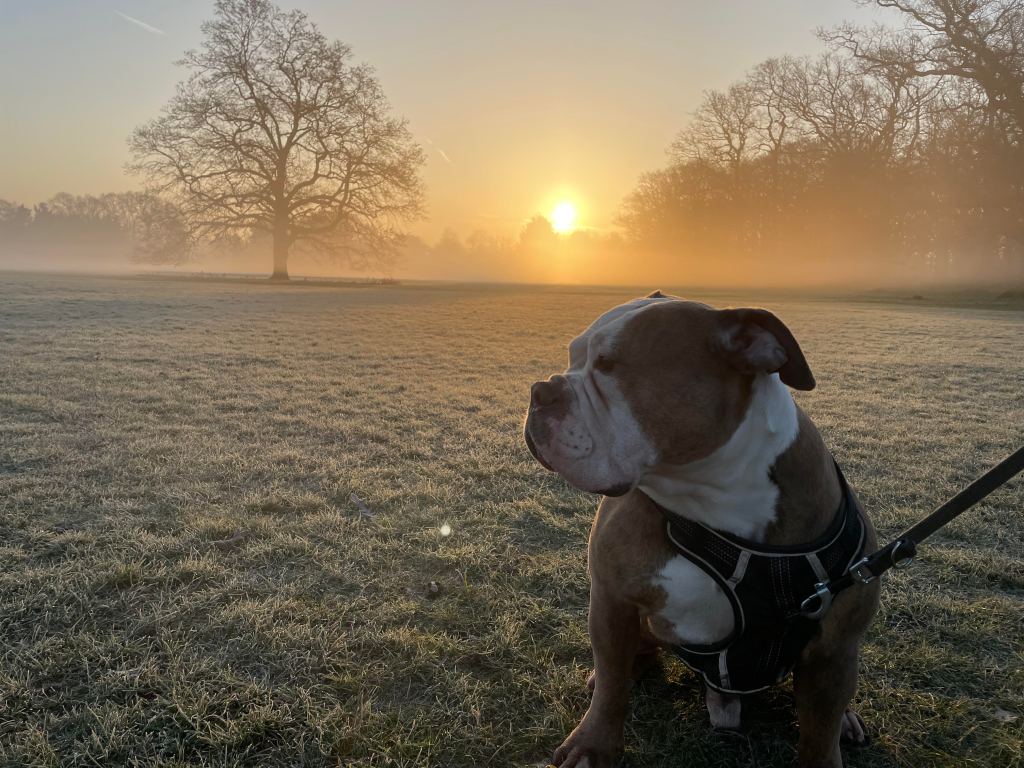
In broader south-west London, outdoor/nature-based nurseries and Forest-style programmes are offered — especially as interest in alternative or supplementary education rises.
More recently, demand for Forest School has surged — for example, after the COVID-19 pandemic many schools and families have increasingly turned to outdoor learning, citing mental health, well-being, and resilience benefits.
Here are some adverts I found online for outdoor learning or forest school experiences in my area:-
Forever Green Forest School regular Forest School sessions for schools, families and nurseries in Hillingdon / Uxbridge and surrounding boroughs.
Wild Brambles – bookable toddler/preschool and school-age sessions in the Uxbridge/Hillingdon area
Hillingdon Council — Family hubs & Children’s Centres Forest School sessions — the council runs / promotes Forest School style sessions at local children’s centres
Ruislip Woods Trust / Woodland Centre — the Woodland Centre and Ruislip Woods (National Nature Reserve) host school visits and outdoor learning sessions.
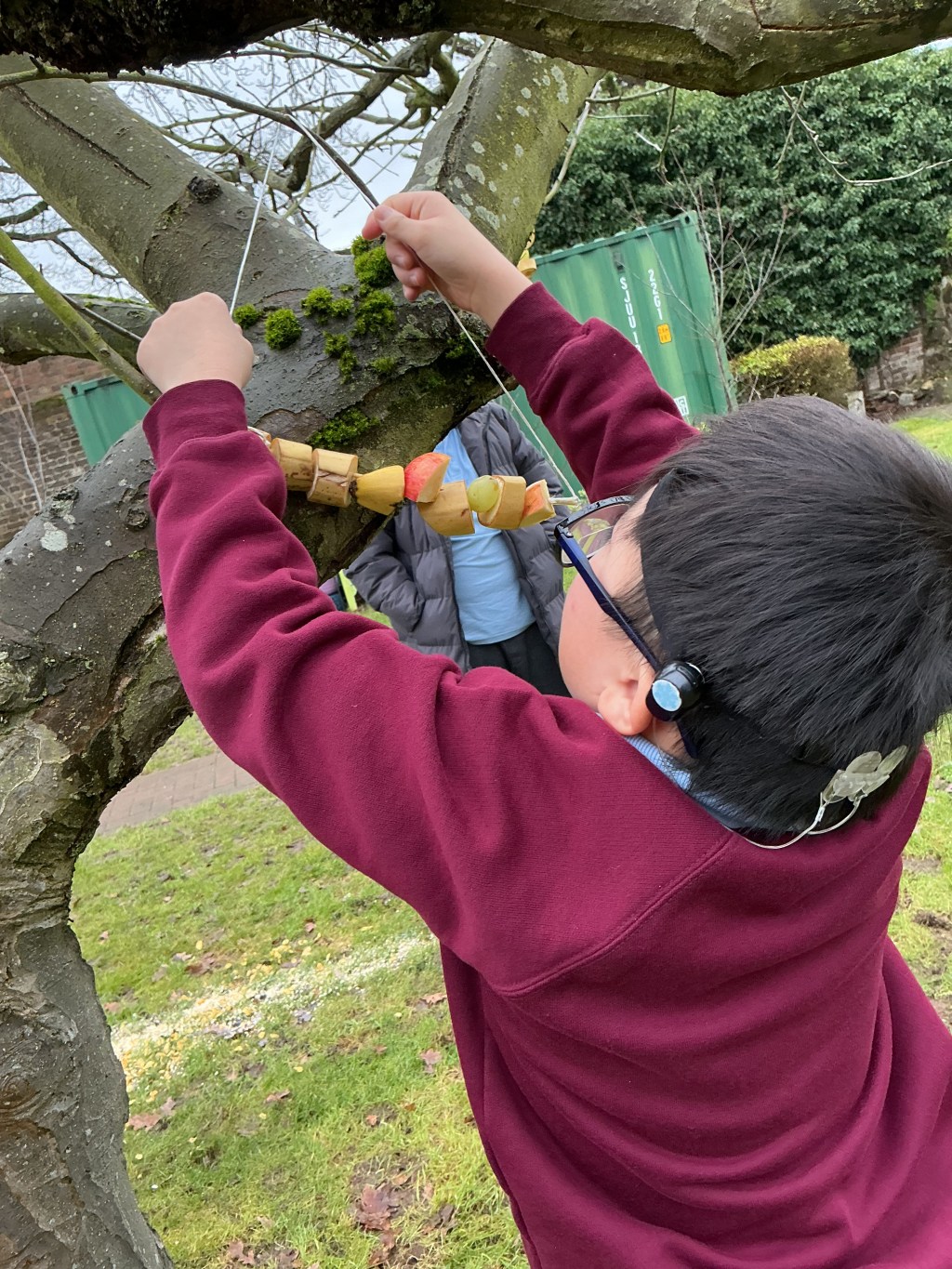
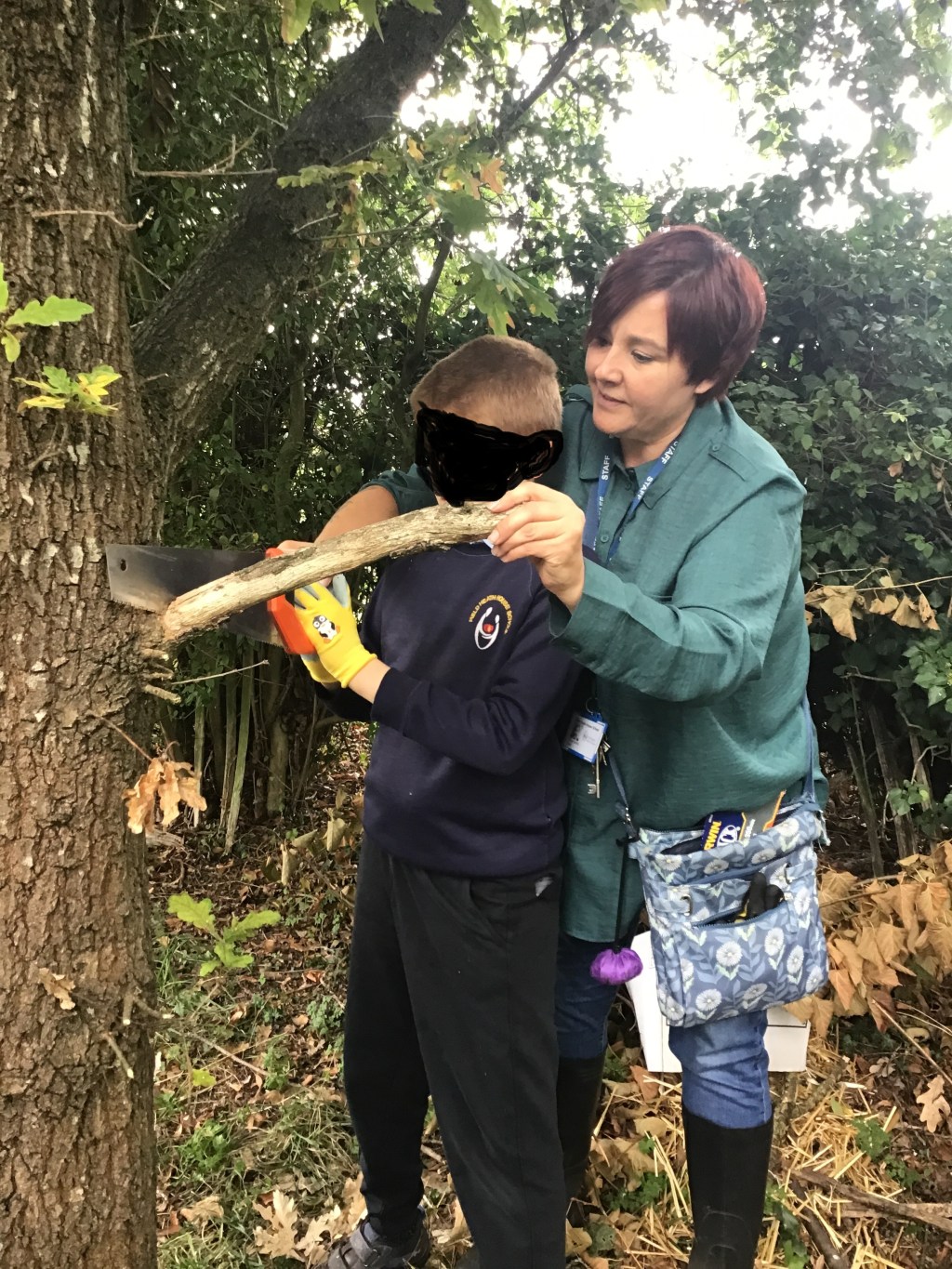
It is really interesting that I cannot find any Forest schools in the area for SEN students to attend. I feel this is an opportunity for me.
There is a clear local need – no SEN-specific Forest School provisions in my area
A strong justification for funding, partnerships, or pilot projects
A chance to become a local specialist provider for inclusive Forest School
“Every child deserves the freedom to explore. Forest School gives SEN learners the tools, confidence, and courage to discover their potential in the heart of nature.“
 Forest Footsteps
Leave a comment