Wellbeing (Ferre Leavers)
Wellbeing, in Laevers’ model, is about how the young person feels inside while they are taking part in activities.
At Forest School, wellbeing shows up through comfort, confidence, enjoyment, safety, and a sense of belonging.
What does wellbeing look like in a teenage Sen student taking part in Forest School or Outdoor Learning?
Feeling Safe and Settled
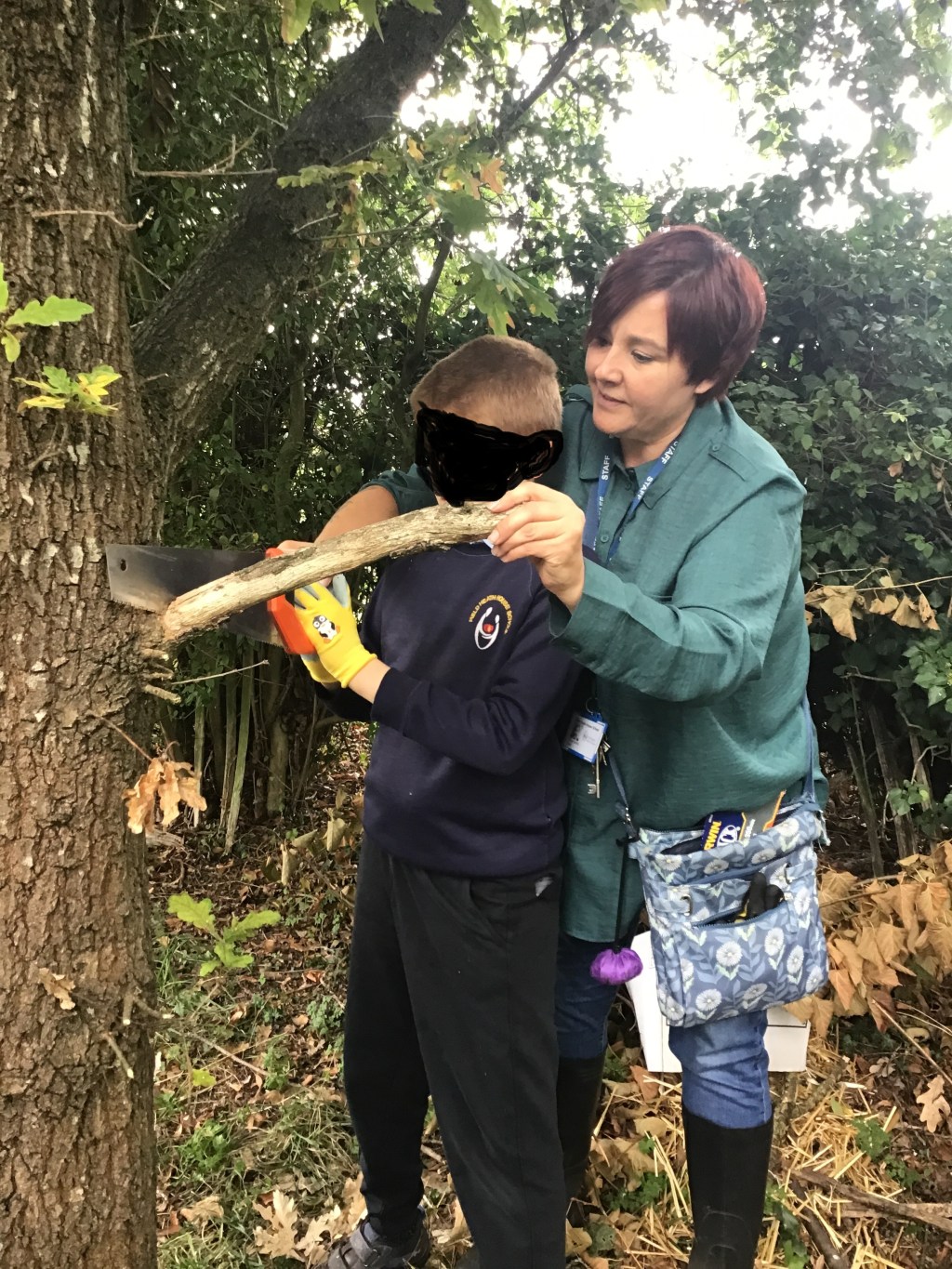
- They trust the familiar adults and the routine of Forest School. Familiar or preferred adults to build confidence before introducing unfamiliar support staff.
- The routine of each session is delivered the same way – They know where things are, what will happen, and what the expectations are.
- They feel safe using tools, exploring, and taking part at their own pace. They are given time.

Relaxed Body Language
- Calm breathing, relaxed shoulders, slow movements.
- Listening and following instructions.
- They look comfortable being outside—sitting by the fire, walking the site, or joining a group task.
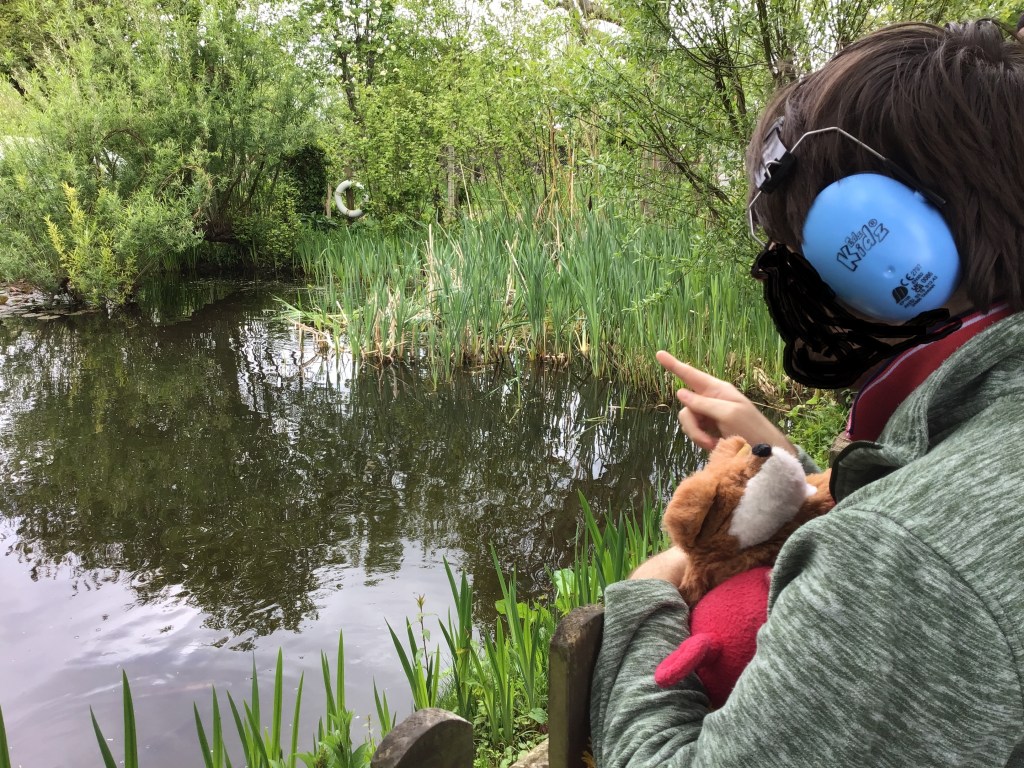
- They may enjoy sensory experiences like wind, leaves, fire crackle, mud, or water.
Sense of Belonging
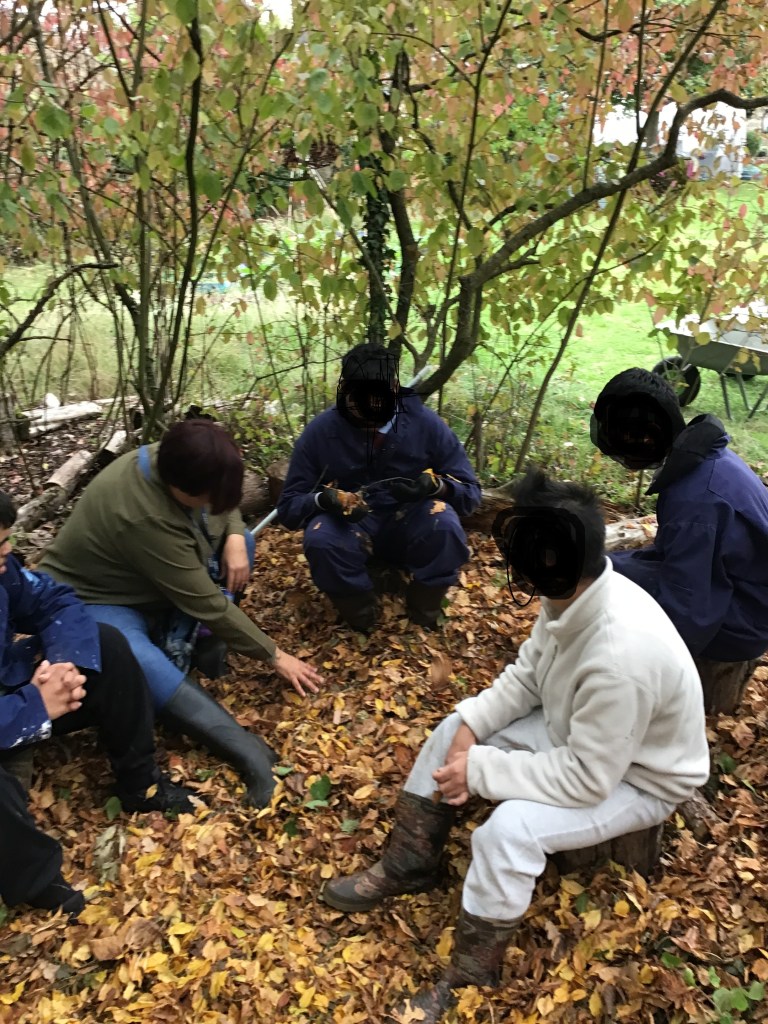
- They feel part of the group, even if their communication style is different. Their voice is heard and they are listened to.
- They enjoy being with peers and adults and they can choose “timeout” without feeling isolated. Movements breaks can be integrated into the sessions
- They recognise this is their safe space.
Positive Emotional Expression
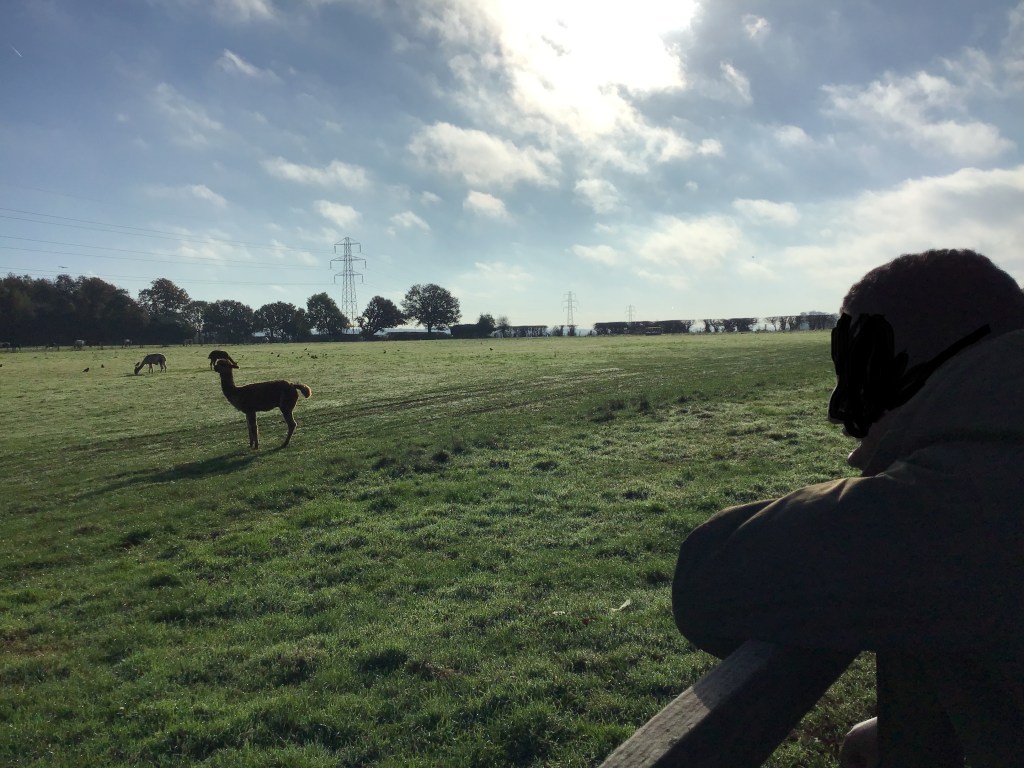
- They smile, laugh, join in, make comments, share interests, or show pride in a task.
- They can express frustration safely and accept help when needed.
- They are able to regulate better outdoors due to space, sensory grounding, and lower demands.
Confidence to Try
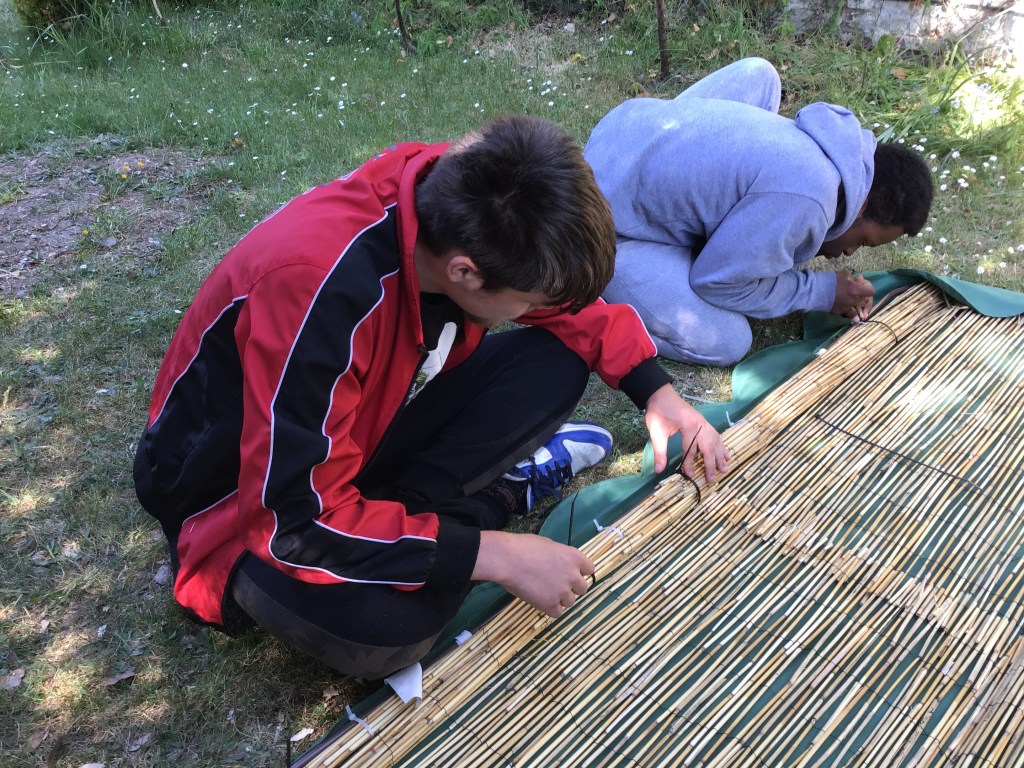
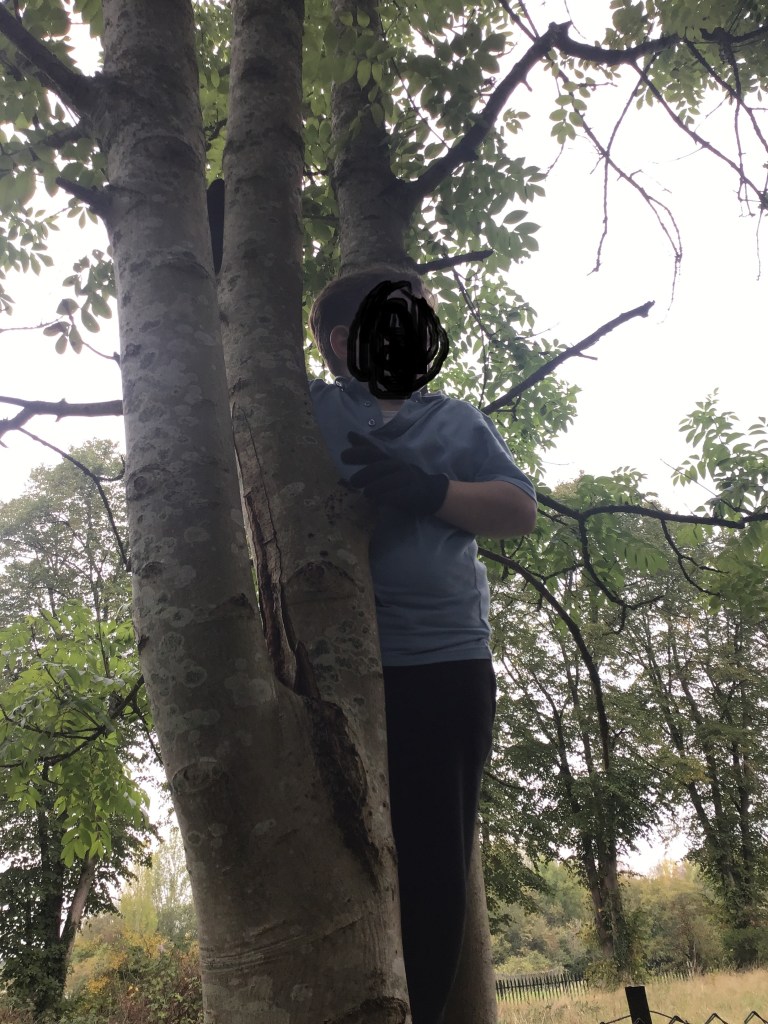
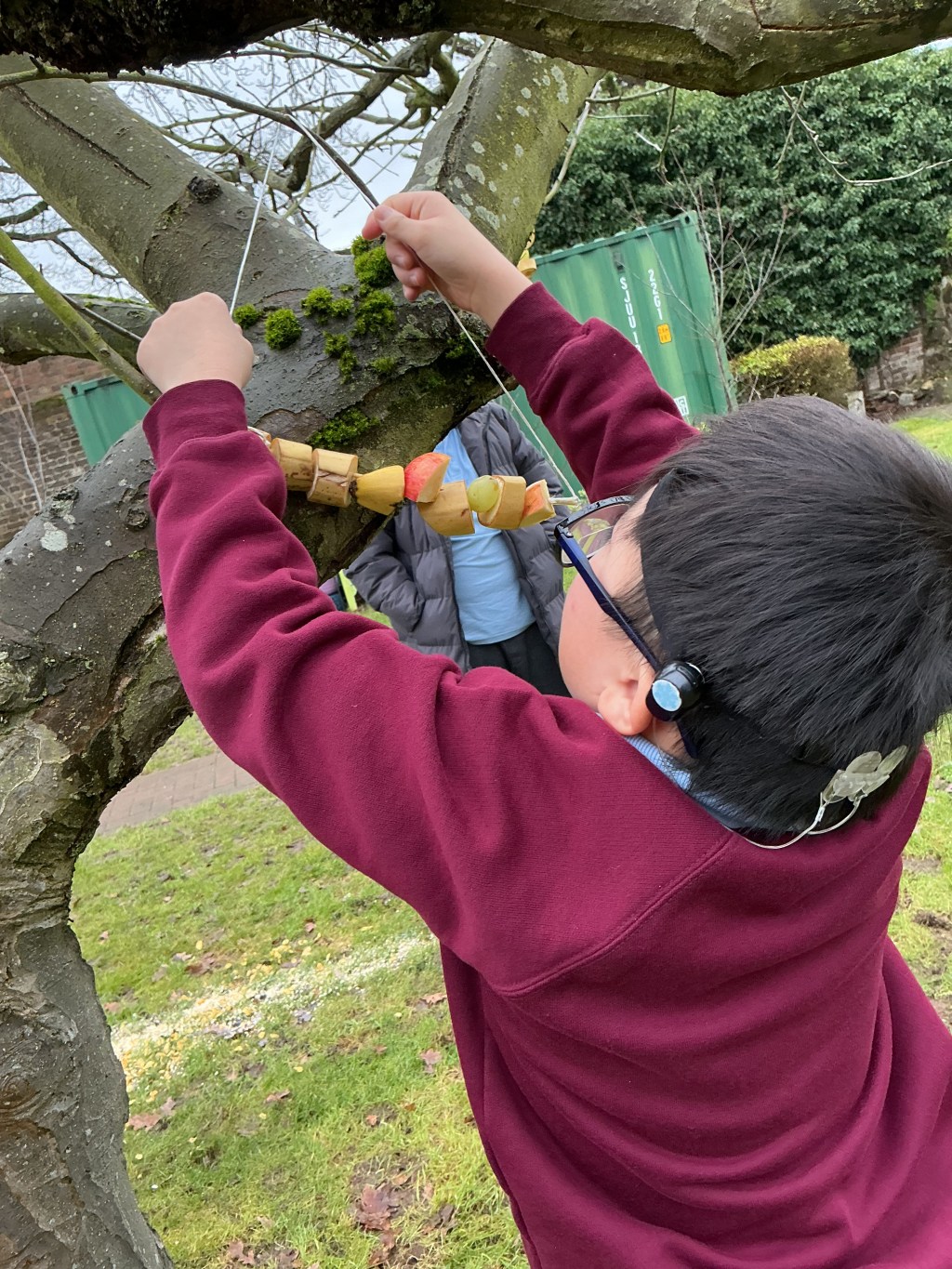
- They take small risks: climbing, sawing, lighting a fire, or simply being outside in the woods.
- They accept the use of new tools or try new challenges.
- Successes build their independence, resilience, and self-esteem.
Enjoyment and Engagement
- They show genuine interest—collecting materials, exploring paths, using tools, noticing wildlife, or completing a task.
- They stay focused for longer periods.
Why Forest School Boosts Wellbeing for SEN Teenagers
The outdoors naturally supports Laevers’ wellbeing factors by offering:
*Freedom to move
*Sensory regulation
*Predictable routines
*Hands-on learning
*Reduced social pressure
*Meaningful, real-life tasks
*Opportunities for independence
Using the Leuven Scale in Forest School (1–5)
- 5 – Very High Wellbeing:
Calm, regulated, joyful, fully engaged with practical tasks, proud. - 4 – High Wellbeing:
Relaxed, comfortable, happy to explore independently or in a small group. - 3 – Moderate:
Generally okay but hesitant with new tools or unsure about peers, staff or group dynamics. - 2 – Low:
Anxious, withdrawn, unsettled by noise, weather, or demands. - 1 – Very Low:
Distress, anger, shutting down, refusing all tasks—needs a change in approach.
Zone of Proximal Development/Scaffolding (Vygotsky)
1. What a young person can do on their own (their current ability)
and
2. What they can’t do yet, but can do with the right help (adult guidance, modelling, prompts)
Vygotsky believed this “in-between” space is where the best learning happens—challenging but achievable with support.
Scaffolding
Scaffolding is the help of a supporting adult to help the student achieve. Examples of scaffolding:
- modelling the first step
- giving verbal prompts or visual cues
- demonstrating tool use
- breaking a task into small steps
- Written (or symbol) schedule of work
- offering choices
- guiding hand-over-hand then gradually reducing support
- encouraging them to take over once confident
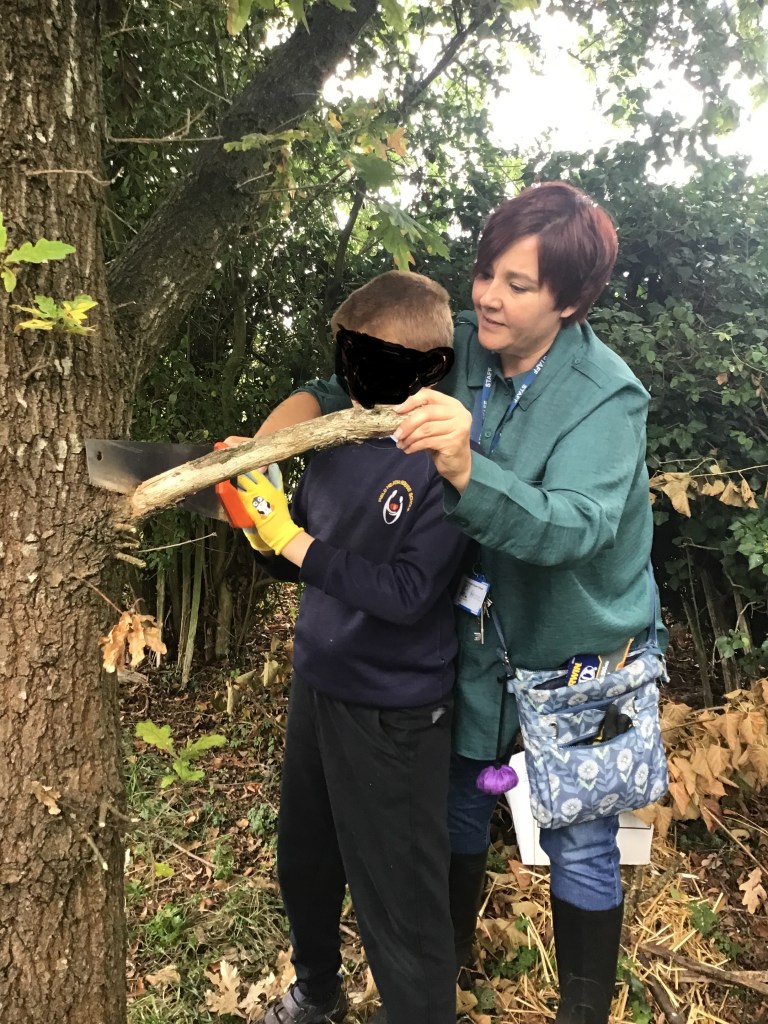
As the student gains skill, the supporting adult removes the scaffold—just like removing support beams once a structure is strong.
This leads to independence.
Why the Zone of Proximal Development and Scaffolding Matter
They help teachers:
- pitch tasks at the right level (challenging but achievable with adult support)
- give just enough support—no more than needed. (In my experience, this can be very difficult for some support staff in a SEN setting)
- gradually build confidence, independence, and resilience
- understand that learning is social and grows through interaction with others
Vygotsky’s approach is especially powerful for SEN students because it focuses on strengths, potential, relationships, and supported risk-taking.
 Forest Footsteps
Leave a comment