What is meant by holistic development?
Holistic development means supporting the growth of the whole student, not just focusing on academic skills. It recognises that learning happens across many interconnected areas of a student’s life, including Social, Physical, Intellectual, Communication, Emotional, and Spiritual development (SPICES). This approach is especially important in a SEN setting, where some students may need additional support in one or more of these areas, and progress in one domain can help strengthen others, making learning more meaningful and balanced.
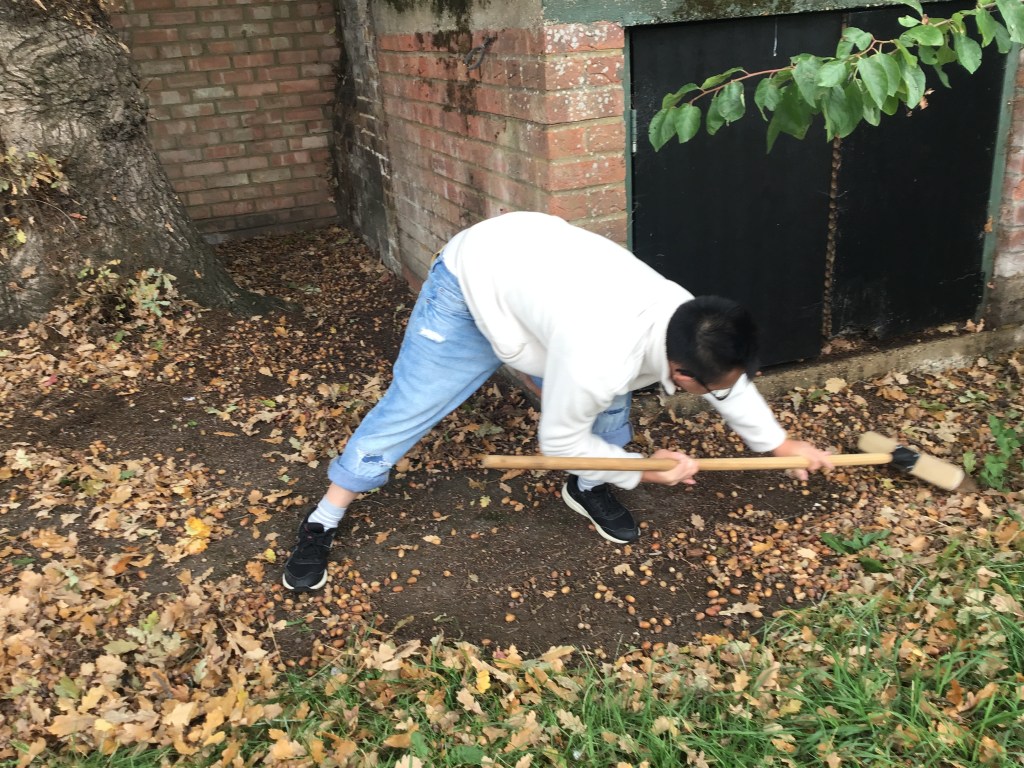
Social development involves learning how to interact with others, cooperate, negotiate, and work as part of a team. In Forest School, students practise this while sharing tools, taking turns, and working together on practical tasks. Social development is particularly important in a SEN setting, as many of our students find interactions challenging, especially some of our Autistic students. Outdoor learning / Forest School provides a safe, structured environment where they can practise these skills at their own pace.
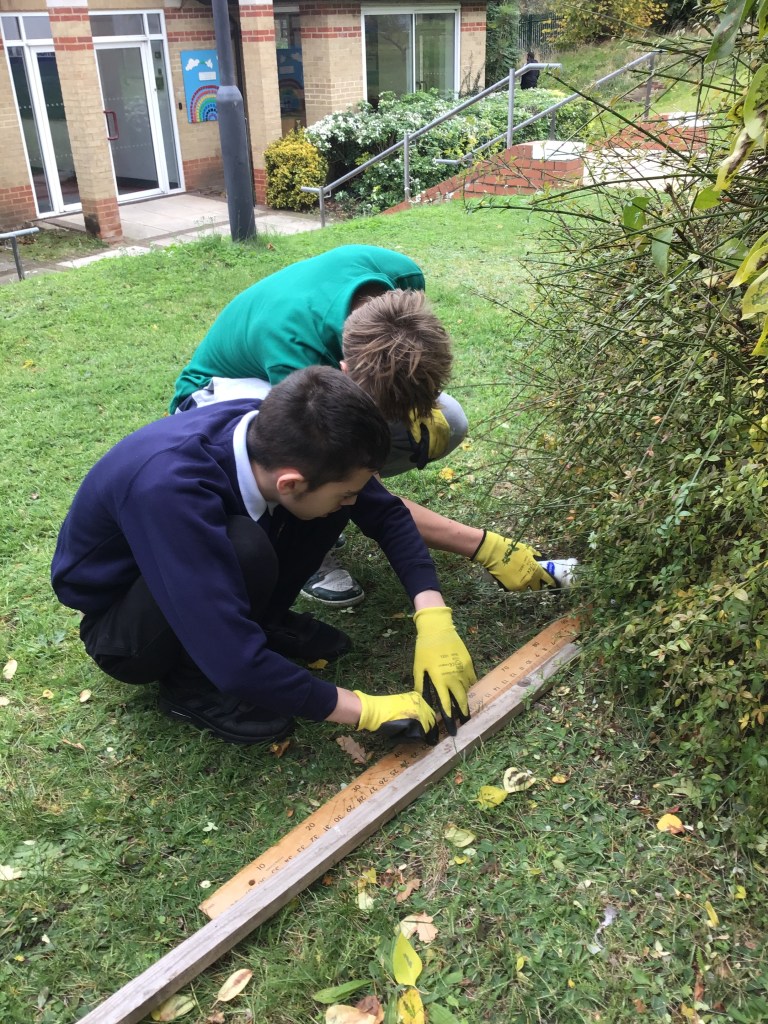
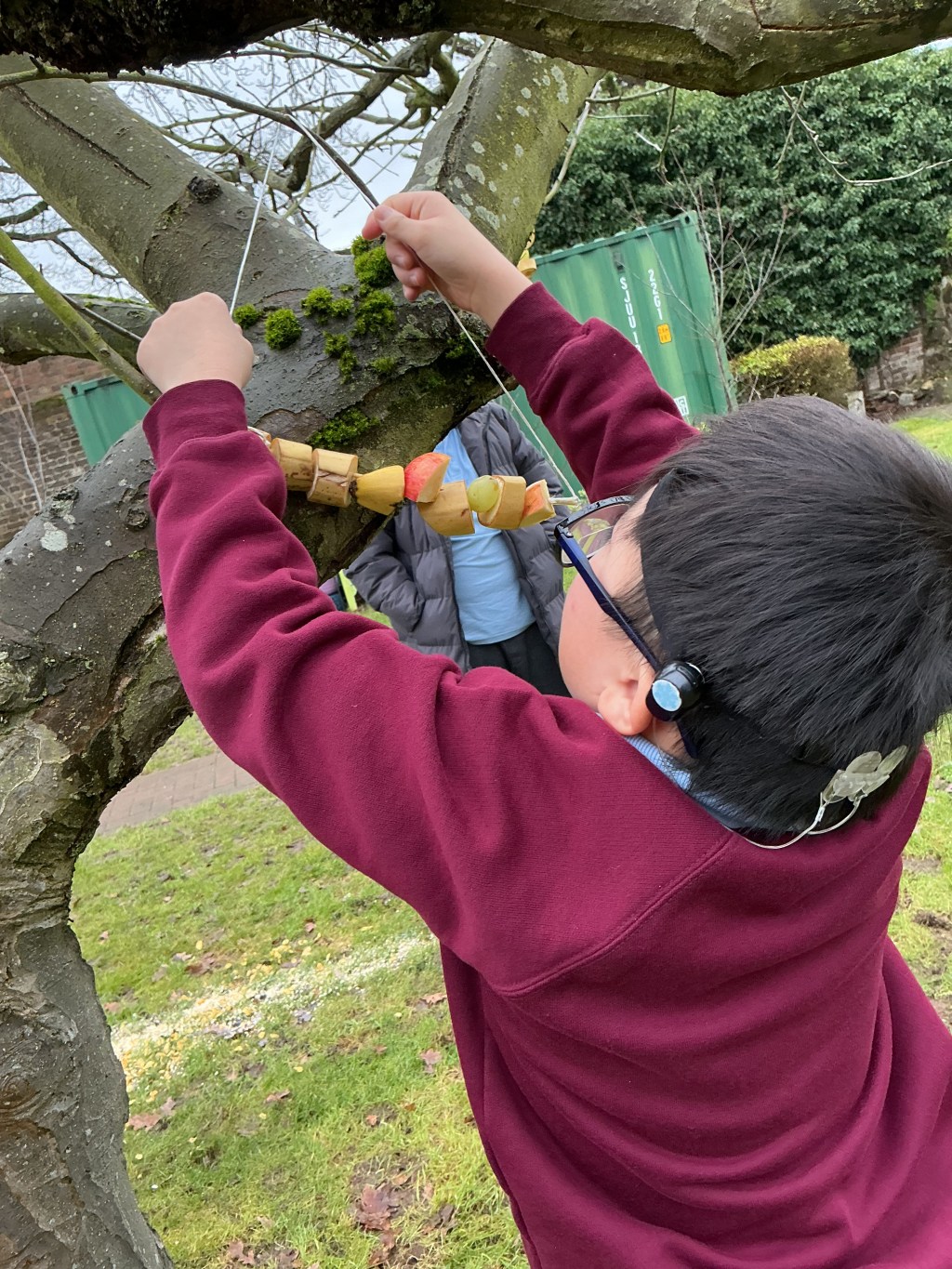
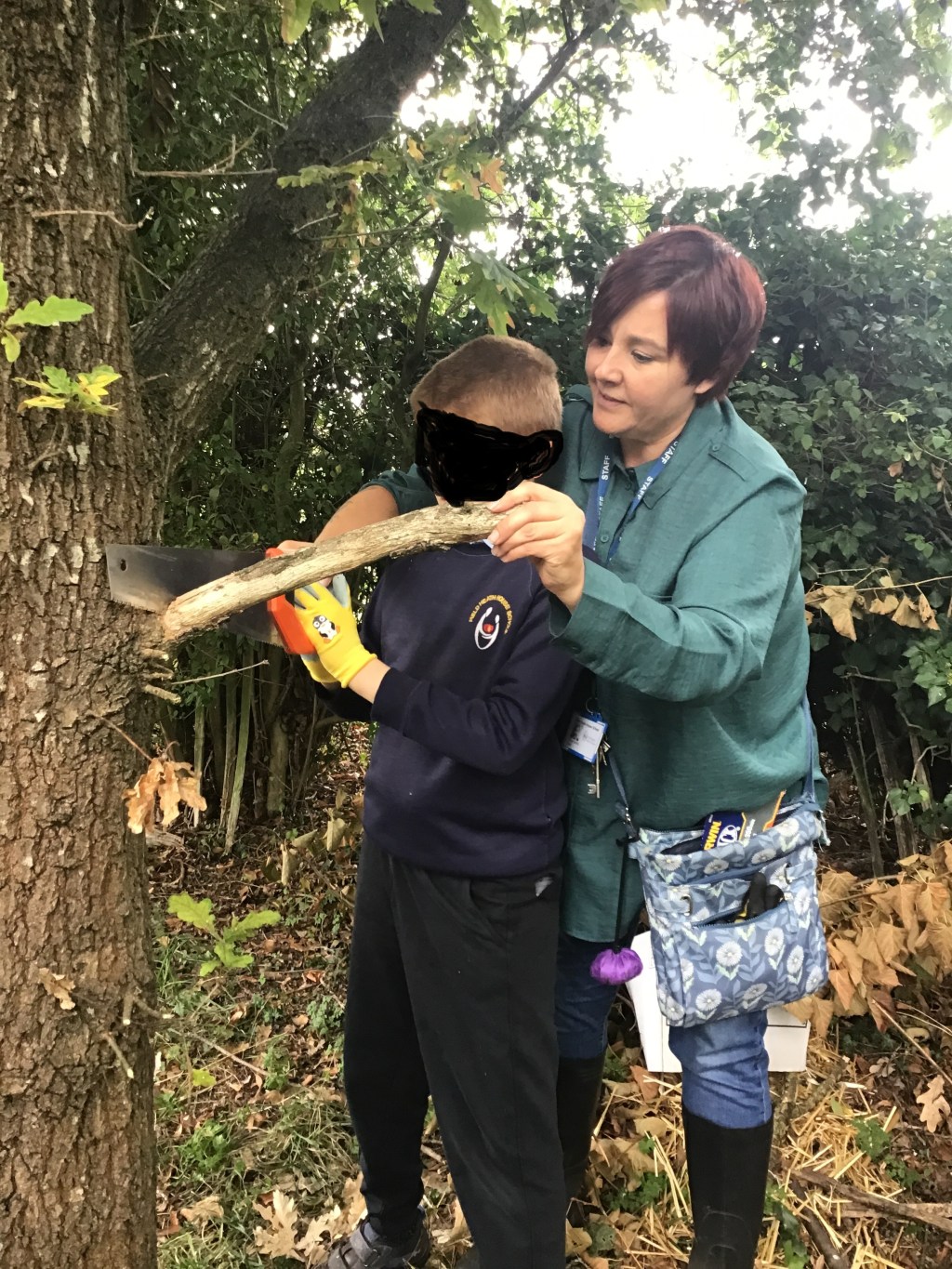
Physical development focuses on improving coordination, balance, strength, and motor skills. Activities such as climbing, balancing on uneven ground, carrying logs, or using tools allow students to develop control and confidence in their bodies. Many SEN students have difficulties with both fine and gross motor skills, which can affect how they move and interact with their environment. In my setting, while most students have learning difficulties, there are also students with physical challenges. The high physical aspect of these sessions is also fantastic for our ADHD students, giving them space for high-energy, exploratory movement in a safe and purposeful way. Outdoor learning gives all students opportunities to practise and improve these skills, helping them build strength, coordination, and independence.
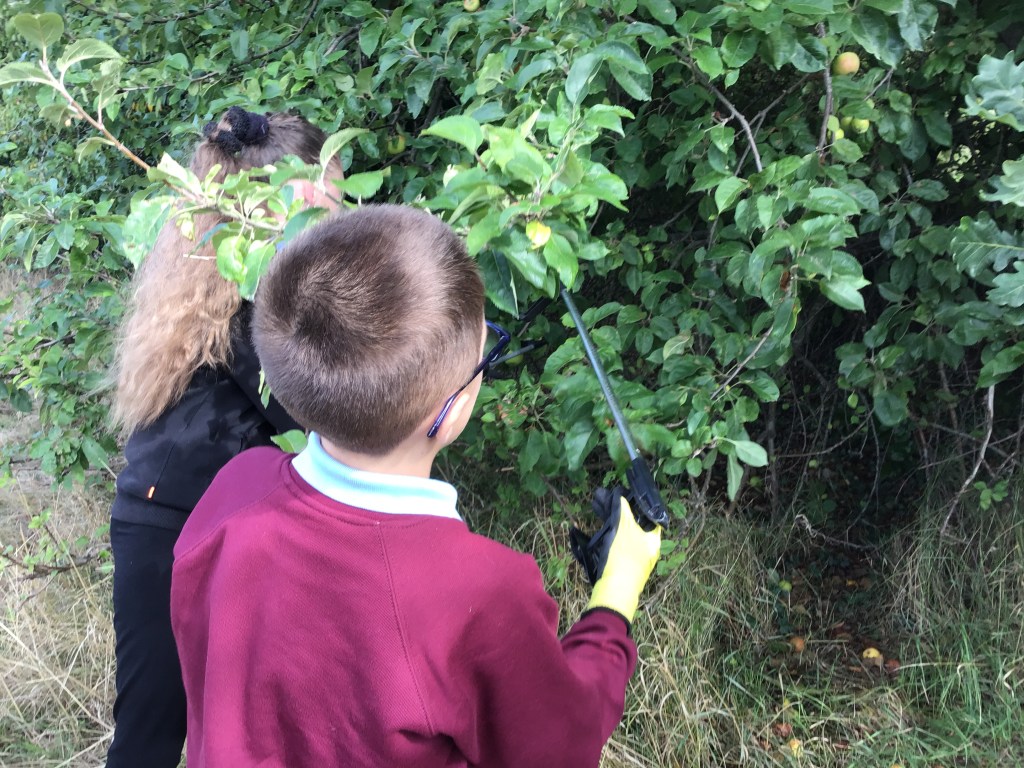
Intellectual development is about thinking, problem-solving, being creative, and reflecting on experiences. Students may plan how to construct a shelter, work out solutions with the resources available, or consider the safest way to use tools. In a SEN setting, this can be more challenging for some students. Many, particularly our ASD students, thrive on structure and predictable routines, which help reduce anxiety and give them a clear sense of what is expected. A fully student-led, free-flow style session may feel overwhelming at first, so I may need to provide more guidance and structure than in a traditional Forest School session, at least initially. This approach ensures that students can still engage while feeling safe and supported.
Communication development includes verbal and non-verbal skills, listening, expressing ideas, and understanding instructions. At Forest School, students practise this as they negotiate roles, ask questions, and share observations with peers and adults. In a SEN setting, this can be more challenging, as many of my students are non-verbal or have difficulties with communication and understanding typical social cues.
Emotional development involves building confidence, self-esteem, resilience, and independence. Forest School encourages students to take small risks, cope with challenges, and celebrate achievements in ways that are meaningful to them. In a SEN setting, students often enjoy participating in these “risky” activities, but some may not have a full understanding of danger. They may not fully grasp that a knife is sharp or that a fire is hot, and coping with challenges can also be difficult for some. Knowing the students well and ensuring a thorough assessment period is therefore particularly important. This allows sessions to be adapted so that students can experience appropriate challenges safely, develop resilience, and gain a sense of achievement without unnecessary risk.
Spiritual development is about developing a sense of self, a connection to the wider world, and understanding one’s place within it. Forest School is particularly valuable for our SEN students, as spending time in nature offers fantastic sensory benefits. The sights, sounds, and smells of the woodland can be enough on their own for some students. Sometimes, they simply want to “be,” and that is enough — just being present in the natural world can support self-awareness, calm, and a sense of belonging.
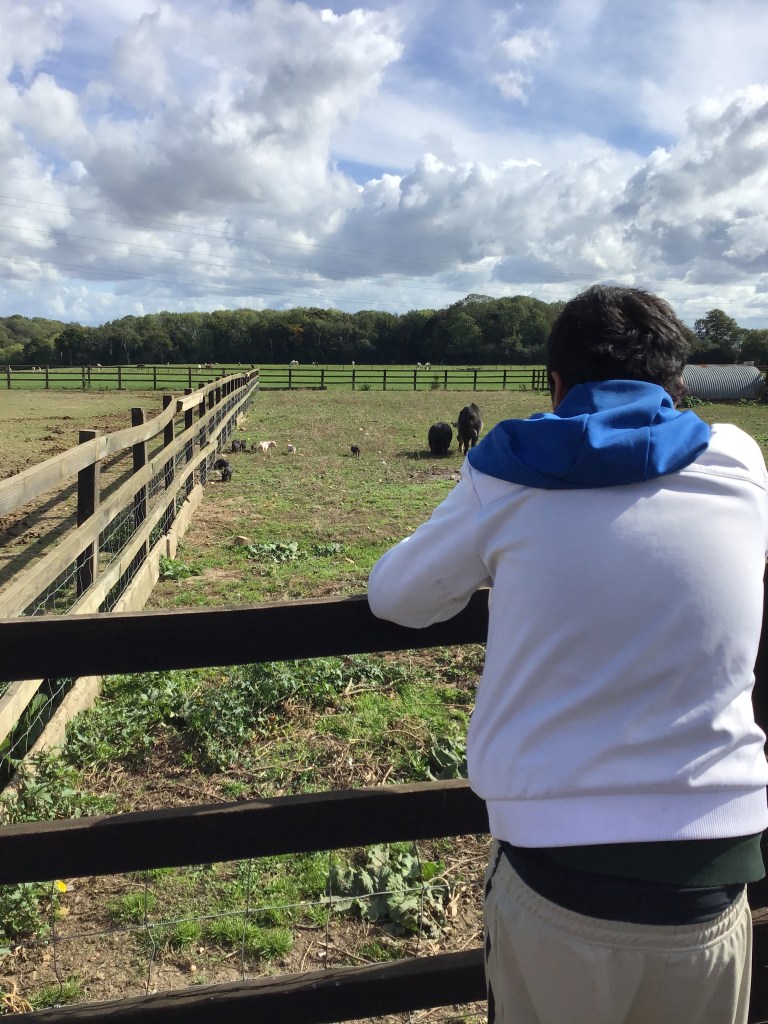
All of these areas are interconnected. A student who develops confidence in physical activities may also grow in emotional resilience and social confidence. Curiosity about the natural world can spark intellectual thinking and communication. Forest School provides the space and time for these connections to emerge, supporting students to develop as rounded, capable, and confident young adults.
How have you used this concept to promote balanced educational opportunities for your client group during a Forest School programme?
Using the concept of holistic development and the SPICES framework has helped me create balanced educational opportunities for my SEN students during my outdoor learning sessions. I plan activities that support growth across all areas — giving students chances to explore physically, problem-solve intellectually, practise communication, develop social skills, manage emotions, and connect with the natural world.
By observing each student closely and reflecting on their needs and responses, I can adapt tasks to be accessible yet challenging, ensuring everyone can engage fully and participate meaningfully. These experiences not only support learning in the moment but also build confidence, independence, and resilience over time.
As I move towards delivering Forest School sessions, I will continue to embed these principles, designing long-term, student-led experiences that allow all students to flourish in a safe, engaging, and inclusive outdoor environment.
 Forest Footsteps
Leave a comment