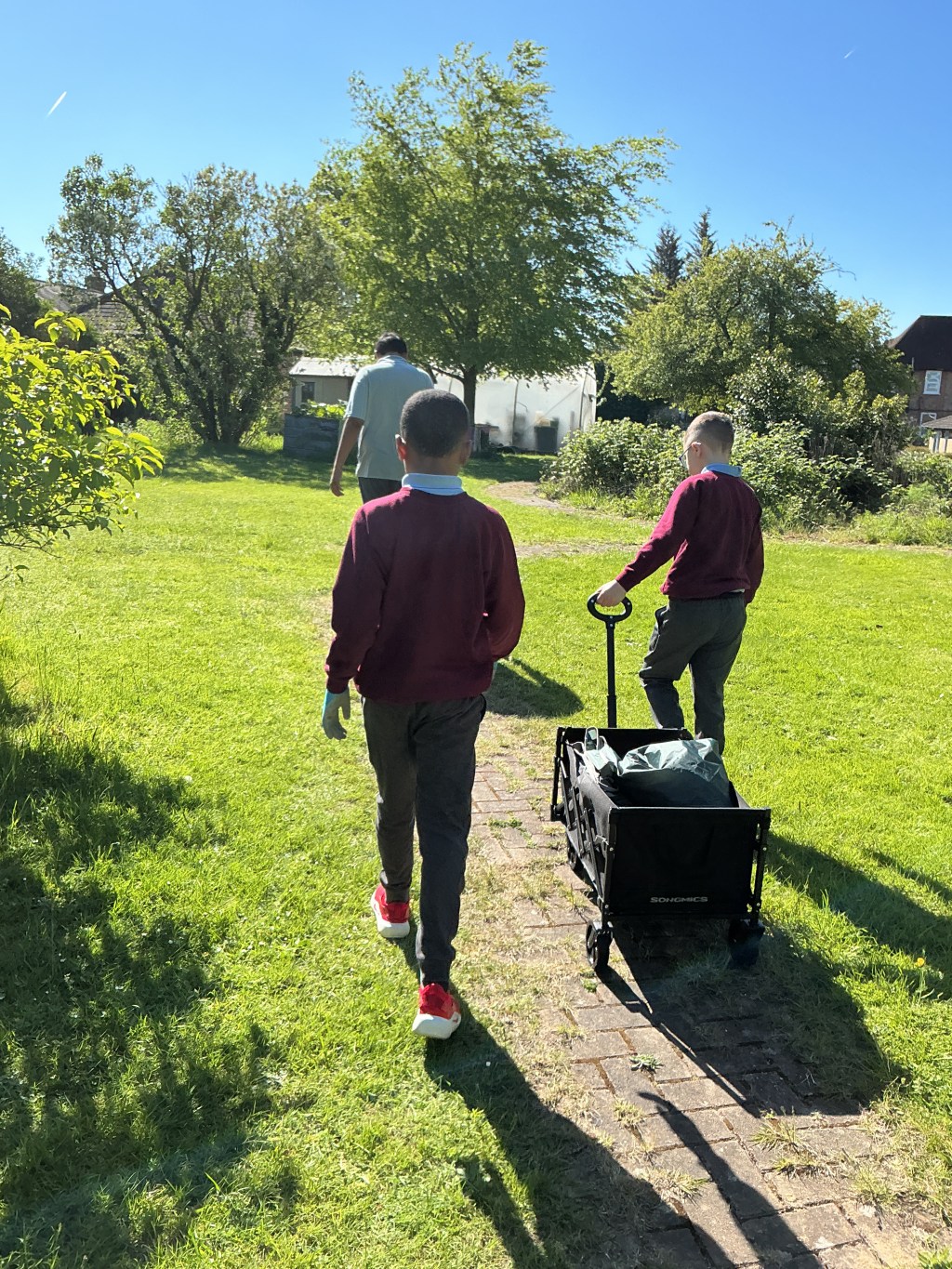
Forest School – Self-Esteem and Emotional Intelligence
Forest School promotes self-esteem and emotional intelligence (in my expereince with SEN teenagers) by offering structured, supportive outdoor learning experiences that build confidence, independence, and emotional awareness. The sessions provide a structured yet flexible approach, where consistent routines and clear boundaries create a safe environment, while student-led activities allow for independence, choice, and personal development.
Through the development of the 5 C’s — consciousness, control, compassion, community, and companionship — students are supported to develop stronger self-understanding, positive relationships, and improved emotional regulation, all of which contribute to wellbeing and lifelong skills.
Forest School uses a holistic approach to learning, focusing on the development of the whole person rather than just practical skills. For SEN teenagers, this approach is particularly valuable as it supports both self-esteem and emotional intelligence, which are key to independence, wellbeing, and preparing for adulthood.
Emotional intelligence is the ability to recognise, understand, and manage your own emotions, as well as respond appropriately to the emotions of others. It also involves using emotional awareness to help guide behaviour in different situations.
For SEN teenagers, emotions can sometimes feel intense or difficult to interpret, especially in unfamiliar or challenging situations. Forest School provides a supportive environment where students can experience and practise managing these emotions in a safe and structured way. Over time, this helps them build emotional regulation, resilience, and more positive ways of responding to challenges.
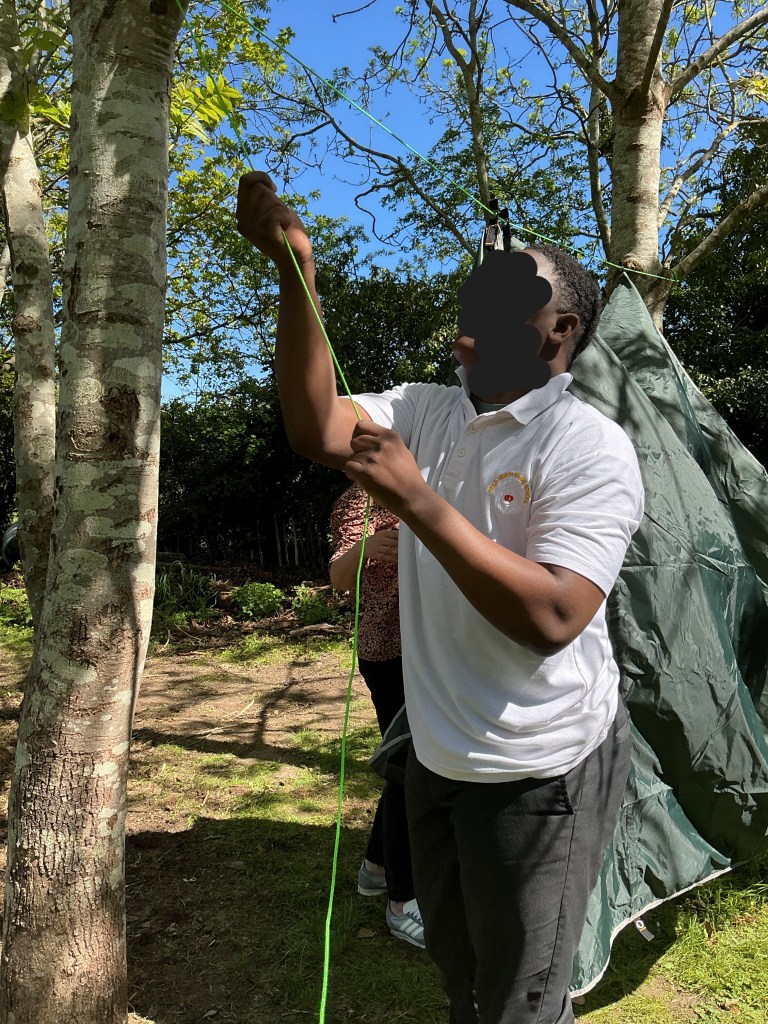
Forest School supports this development through real, practical experiences in nature, where learners are encouraged to try new things, solve problems, and reflect on their experiences. These opportunities help develop both intrapersonal and interpersonal skills:
- Intrapersonal skills involve understanding and managing yourself. In Forest School, SEN teenagers are supported to make choices, set achievable goals, and gradually take more responsibility for their own learning. This helps build confidence, independence, and self-awareness.
- Interpersonal skills involve working with others. Group tasks and shared experiences help students develop communication skills, teamwork, and the ability to understand and respond to others appropriately.
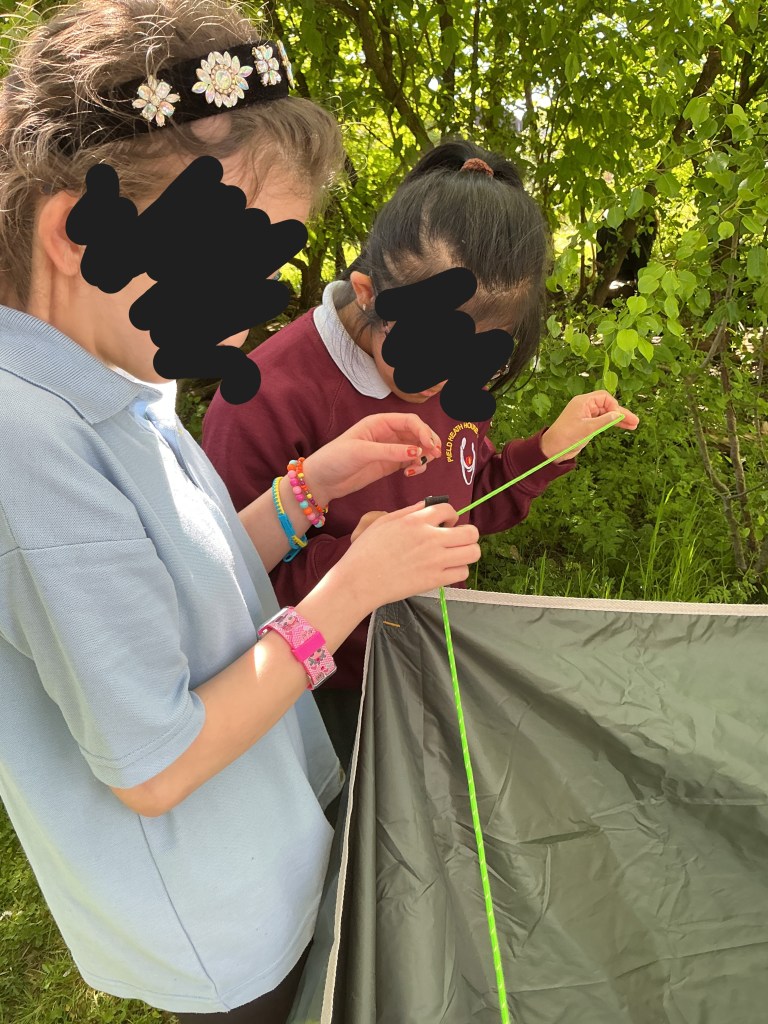
The 5 C’s in Forest School
Forest School also develops emotional intelligence and self-esteem through the 5 C’s, which are especially relevant for SEN students:
- Consciousness – becoming more aware of emotions, behaviour, others, and the environment
- Control – developing strategies to manage emotions, reactions, and decision-making
- Compassion – building understanding and empathy towards others
- Community – feeling included, valued, and part of a group
- Companionship – developing positive, trusting relationships with peers and adults
These are developed through consistent routines, supported social interaction, and structured, but student led outdoor experiences.
Self-Esteem
Self-esteem refers to how individuals value themselves and their abilities. For SEN teenagers, developing self-esteem is essential for confidence, independence, and engagement in learning.
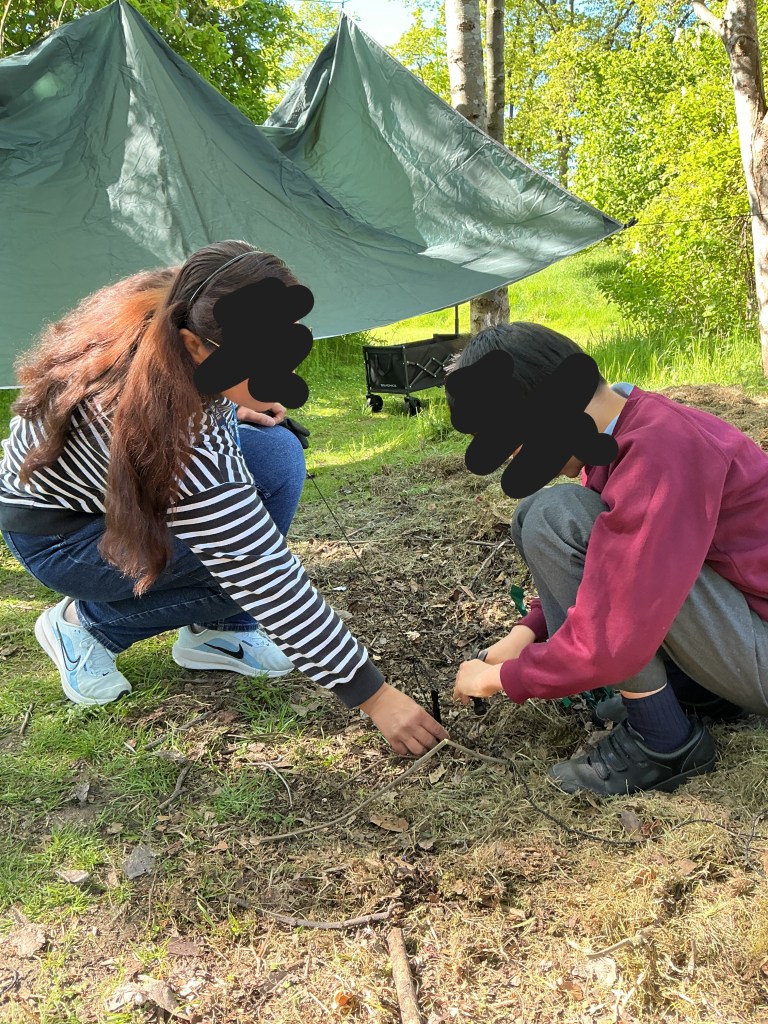
Forest School supports self-esteem by providing accessible, achievable challenges where success is based on effort, participation, and progress rather than comparison with others. Students are encouraged to take part in activities such as tool use, problem-solving tasks, and outdoor exploration in a safe and supported way.
The consistent adult support and high staff-to-student ratio help students feel secure, which allows them to take appropriate risks and develop independence at their own pace. Achieving tasks successfully helps build a sense of pride, trust in their own abilities, and motivation to try new experiences.



Leave a Reply