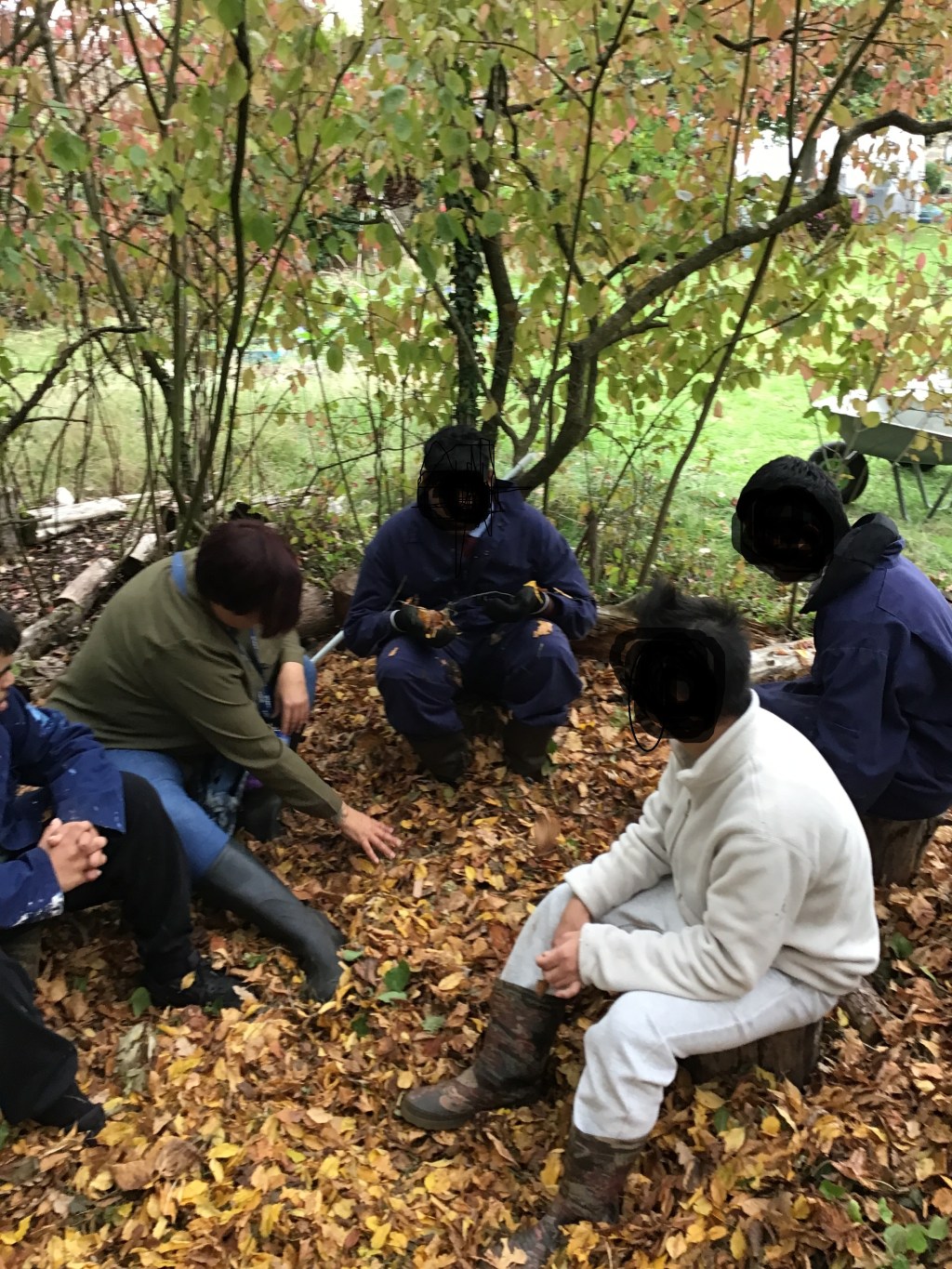
Forest School is a learner-centred, long-term approach that supports the holistic development of students. Holistic development includes social, physical, intellectual, communication and emotional growth. Using the SPICE model provides a clear framework for understanding how Forest School promotes these interconnected areas.
Social Development
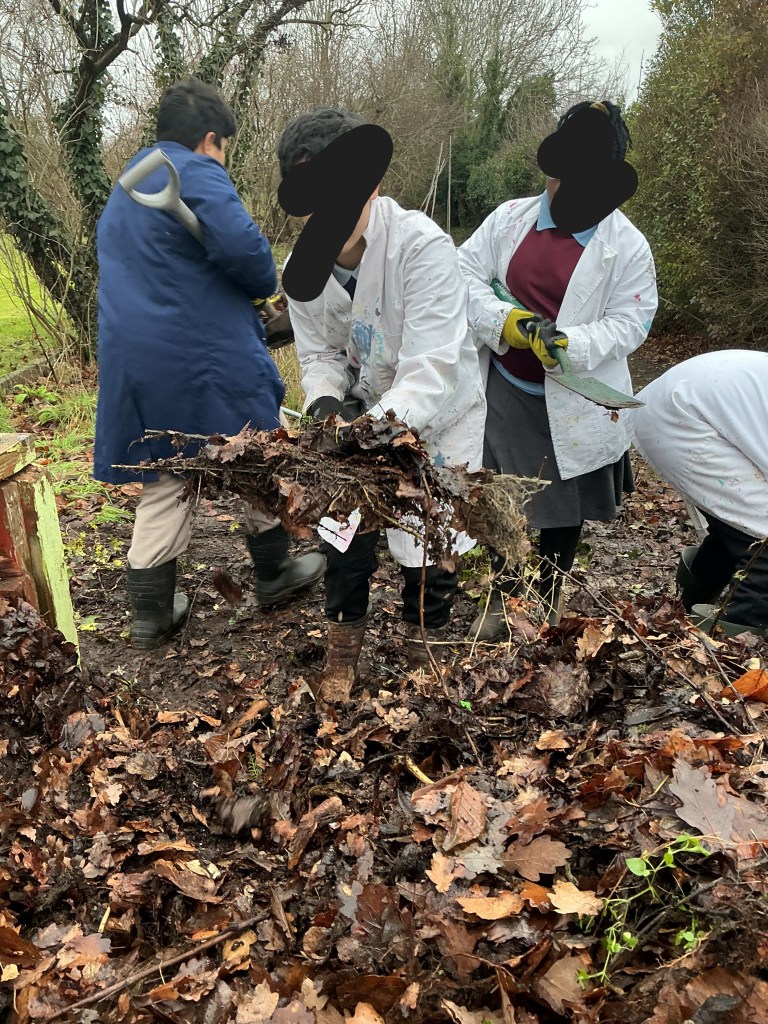
Forest School encourages students to work together, encouraging collaboration and cooperation. Activities such as building dens, collecting materials, and problem-solving in groups require students to communicate, negotiate and work with one another. Being outdoors also reduces social pressure compared to the traditional classroom settings, allowing students to develop confidence.
For SEN students: The informal, open-air setting of Forest School often reduces social pressure. Students who may find structured classroom interaction challenging can engage more naturally.
Physical Development
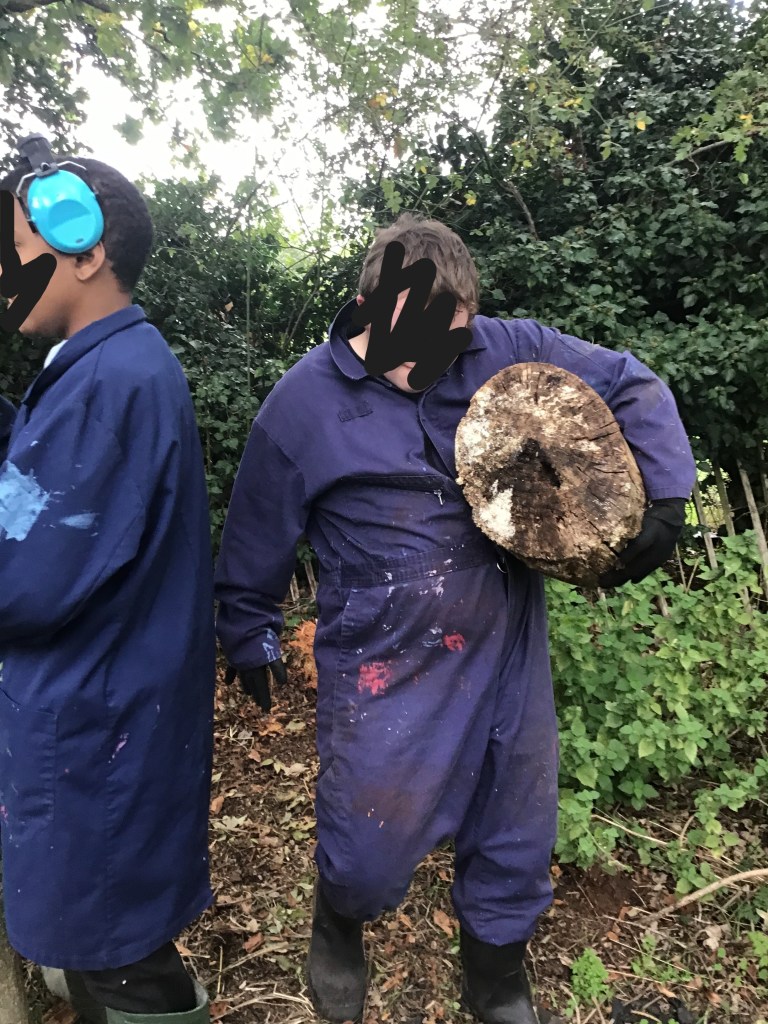
The natural environment provides a wide range of physical challenges, supporting both gross and fine motor development. Uneven ground, climbing, lifting, digging and transporting materials develop strength, coordination and balance. Fine motor skills are enhanced through activities such as knot tying, whittling, and manipulating natural materials.
Forest School also encourages safe risk-taking, helping students to become aware of hazards and develop independence in moving through the environment.
For SEN students: Forest School activities support coordination, balance, and strength in a motivating, hands-on way. Risk assessment is practiced in a safe, supervised environment, helping students become more aware of their bodies and spatial awareness.
Intellectual Development
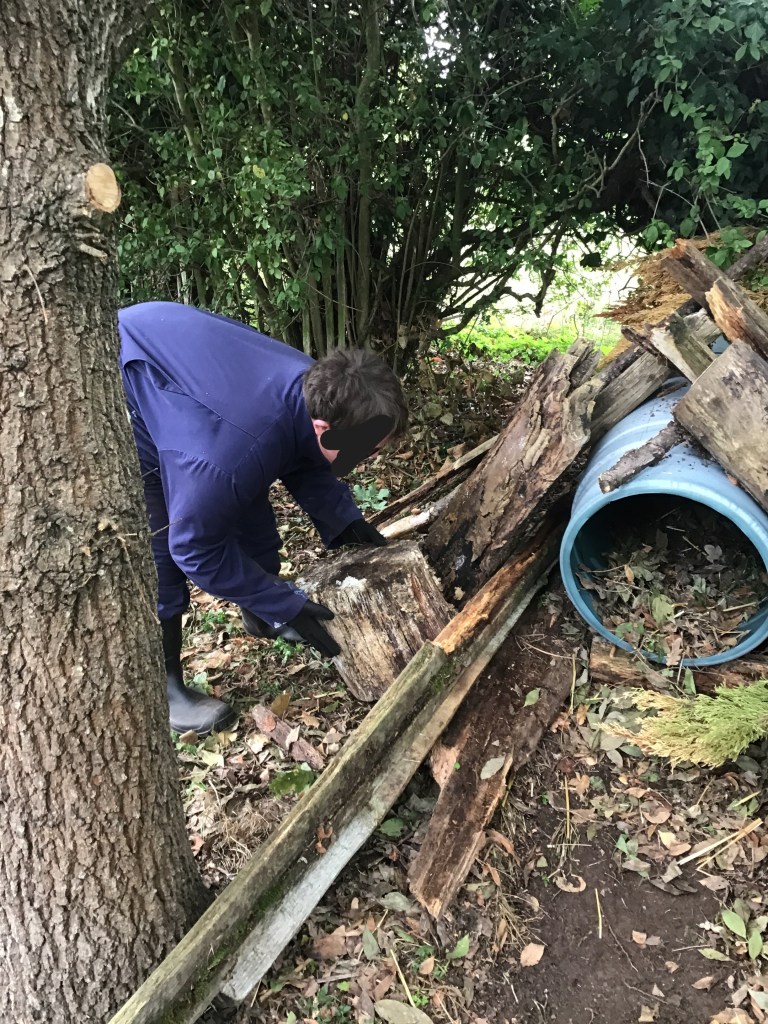
Forest School promotes cognitive growth through experiential learning. Students explore, investigate and problem-solve. Tasks such as designing shelters, planning activities, or observing wildlife develop reasoning, critical thinking, and problem solving.
The relaxed, informal nature of Forest School encourages curiosity, creativity, and reflection. Students are able to make decisions, test ideas, and evaluate outcomes, which supports deeper understanding and retention of knowledge.
For SEN students: Hands-on, real-world tasks help students engage their thinking in ways that suit their learning needs and strengths. Students learn at thier own pace. Demands are reduced as the learning is learner-led.
Communication Development
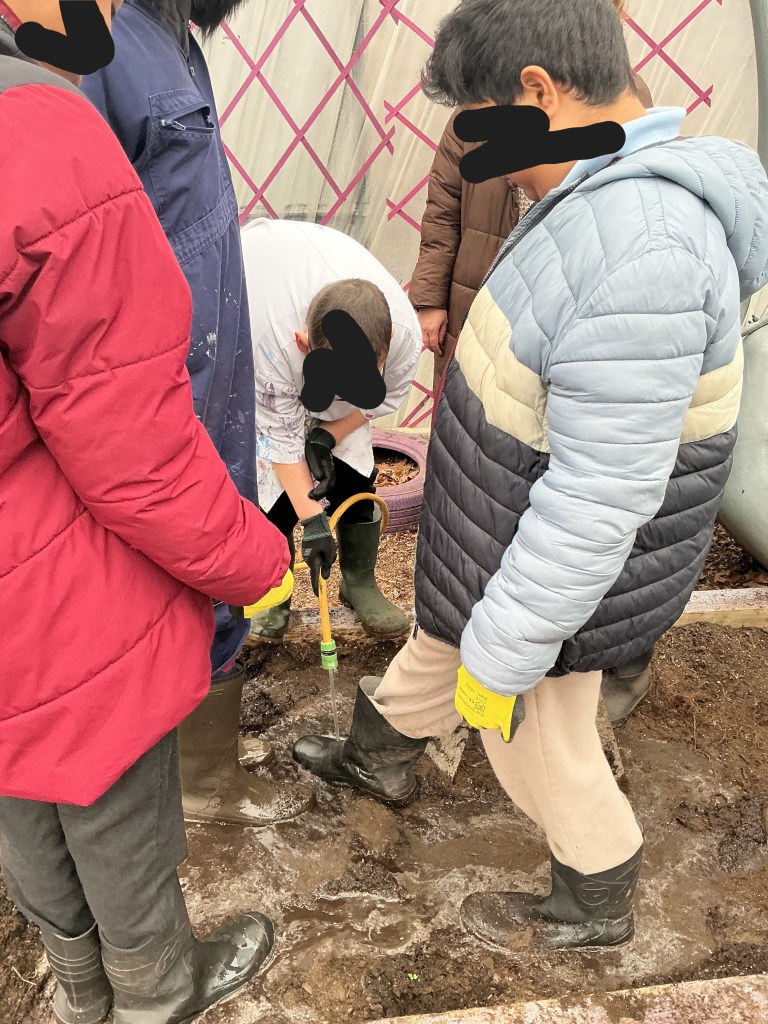
Communication skills develop naturally in Forest School. Students explain ideas, ask questions, negotiate roles and share observations with peers. Storytelling, discussions in fire circles, and collaboration during practical tasks strengthen both verbal and non-verbal communication.
The informal outdoor setting often helps students feel more confident to express themselves than in traditional classrooms.
For SEN students: The informal environment supports confidence, reduces anxiety, and allows for non-verbal communication strategies. A student who struggles with verbal communication indoors may use gestures or simple explanations effectively while working with peers outdoors.
Emotional Development
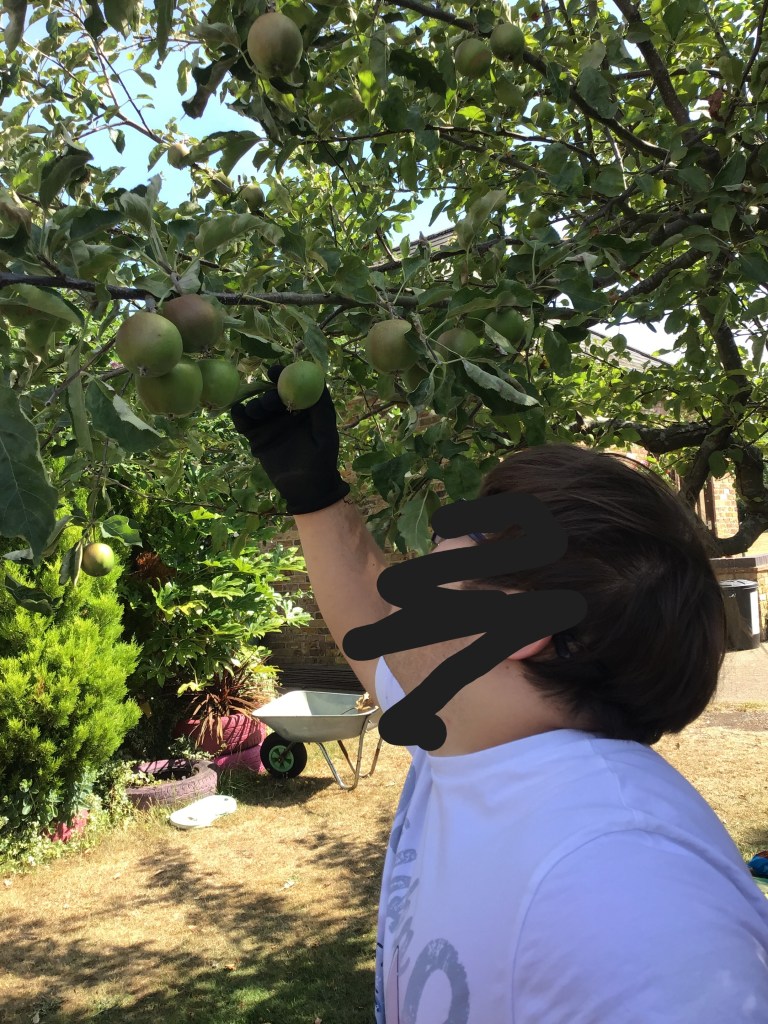
Forest School supports emotional wellbeing by providing a safe, calm, and sensory-rich environment. Students develop resilience and confidence as they experience achievable challenges and learn from their mistakes.
Opportunities for reflection, celebrating effort, and supported risk-taking encourage self-esteem, persistence, and emotional regulation. The connection with nature also fosters a sense of calm, curiosity, and enjoyment.
For SEN students: The calming nature of the outdoors, along with achievable tasks, helps students manage anxiety, develop patience, and experience a sense of accomplishment. Completing a practical task, to thier own level, gives students pride and reinforces persistence.
Forest School is highly effective in promoting holistic development through the SPICE framework. Its student-centred, process-focused approach allows students to develop socially, physically, intellectually, communicatively, and emotionally in interconnected ways.


Leave a Reply