Cooking over a campfire is an exciting experience at Forest school. I would introduce cooking gradually, beginning with simple activities.
Before any cooking activity, I would carry out a basic food hygiene talk.
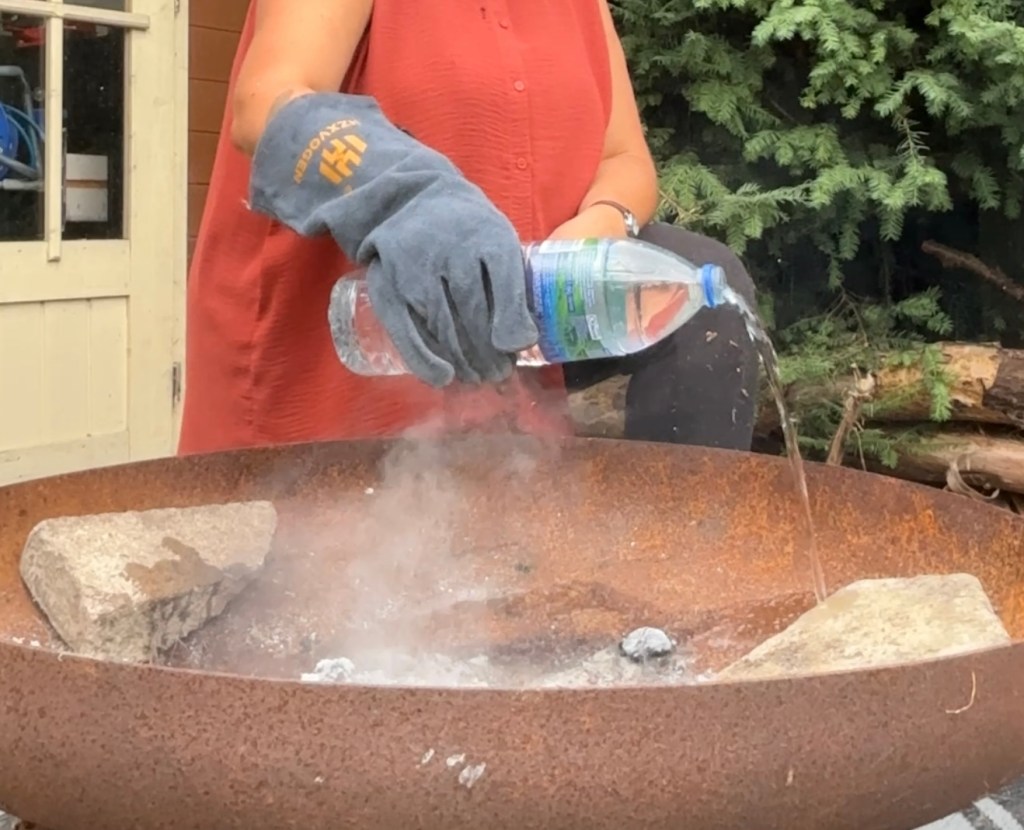
- Students should always wash or sanitise their hands before handling food
- Cooking equipment and preparation surfaces should be wiped clean
- Raw and cooked food should be kept separate
- Food should be cooked thoroughly before being eaten.
- Food should be kept at a safe temperature
- Any leftovers should be disposed of appropriately.
I would check allergies, dietary requirements and individual student needs before planning any cooking activity.
I would continually assess students’ understanding and confidence and adapt the level of support provided. As students become more confident, I would gradually reduce prompts and increase their independence.
The aim is not simply for students to produce food, but for them to develop safe, practical and transferable life skills.

Method of Cooking – Boiling
Boiling involves cooking food in hot water over the campfire.
Forest School examples:
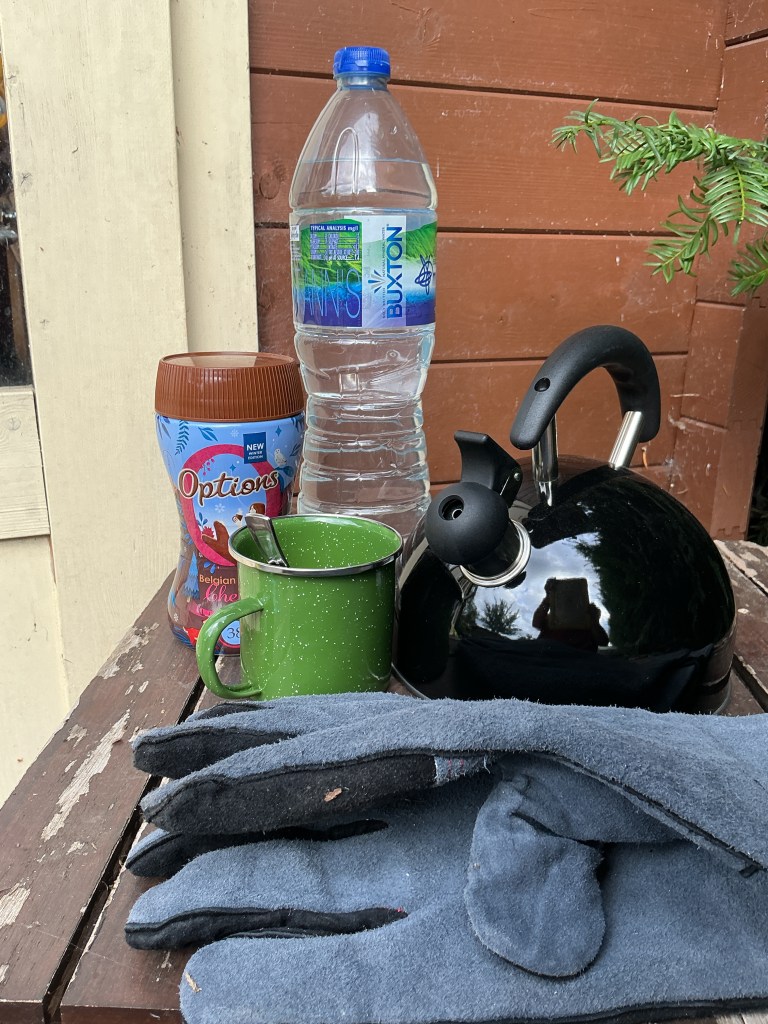
- Boiling water for hot chocolate or Herbal tea.
- Boiling pasta.
- Boiling eggs.
- Boiling noodles
- Cooking vegetables such as sweetcorn or potatoes.
A Kelly Kettle, camp kettle or suitable pan can be used to boil water over the fire.
Food Hygiene and Safety
- Use clean water and clean equipment.
- Wash hands before handling food.
- Ensure food is cooked thoroughly.
- Take care when handling boiling water because of the risk of scalding.
- The Forest School Leader should pour boiling water unless a competent student is doing this under direct supervision.
- Allow hot food and drinks to cool to a safe temperature before students consume them.
How I Would Teach My SEN Students – I would begin by demonstrating the process and explaining each step using simple language and visual prompts. Students could first help to prepare the ingredients and observe the water being boiled.
For a simple activity such as making hot chocolate, students could:
- Wash or sanitise their hands.
- Collect their cup and ingredients.
- Watch the Forest School Leader safely boil the water.
- With adult support, add the hot water to their cup.
- Stir their drink.
- Wait for it to cool before drinking.
I would use repetition and a consistent routine so that students become familiar with the sequence. Students who are more confident could measure ingredients or prepare the cups, while students requiring more support could have one-to-one guidance or visual prompts.
I would reinforce the importance of not touching boiling water or hot equipment and explain why the water needs to cool before drinking.
Method of Cooking – Roasting
Roasting involves cooking food directly over the heat of the fire using a suitable skewer, grill or cooking stick.
Forest School examples:
- Roasting pieces of apple.
- Cooking vegetables such as peppers or mushrooms. (Kebabs)
- Toasting bread on a suitable cooking stick.
Food should be held over the hot embers rather than directly in large flames where possible.
Food Hygiene and Safety
- Use clean cooking sticks or suitable food-safe equipment.
- Wash hands before preparing and handling food.
- Ensure food is cooked thoroughly.
- Do not allow students to wave hot skewers around.
- Keep food and cooking sticks away from faces and other students.
- Be aware that food and skewers can become extremely hot.
How I Would Teach My SEN Students – I would begin with a simple activity such as toasting bread or roasting a piece of apple, as these are easy for students to understand and observe changing as they cook.
I would demonstrate how to safely hold the cooking stick and where to position the food over the fire. Students would be reminded to keep the stick pointed away from themselves and others.
Students could then take turns to:
- Prepare their food.
- Place it securely on the cooking stick.
- Approach the fire using ‘respect position’ when invited.
- Hold the food over the embers with adult supervision.
- Observe the food changing colour and texture.
- Move away from the fire safely.
- Allow the food to cool before eating.
I would use verbal prompts and demonstrations and gradually reduce support as students become more confident. This activity can also encourage students to use their senses by discussing the smell, colour, texture and taste of the cooked food.
Method of Cooking – Steaming
Steaming cooks food using hot water vapour rather than placing the food directly into the water.
Forest School examples:
- Steaming vegetables such as broccoli, carrots or sweetcorn.
- Steaming noodles
- Steaming dumplings.
- Steaming small pieces of fish
A small amount of water can be placed in a pan with a steaming basket or suitable raised container above it. The pan is then covered and placed over the heat.
Food Hygiene and Safety
- Use clean equipment and fresh food.
- Wash hands before preparing food.
- Keep raw and cooked food separate.
- Take care when removing the lid because hot steam can cause serious burns.
- Use heat-resistant gloves or suitable equipment when handling the pan.
- Ensure food is cooked thoroughly before serving.
How I Would Teach My SEN Students – I would demonstrate steaming using a small amount of vegetables, such as sweetcorn. I would explain that the food is being cooked by the hot steam from the water, rather than directly in the water or flames.
Students could help with simple preparation tasks, such as washing vegetables, placing them into the steamer with support and setting a timer.
I would explain that steam can cause burns and that students must never lift the lid or touch the pan without permission. I would demonstrate how I safely handle the hot equipment.
Students could observe the changes in the food and discuss how it looks and feels before and after cooking. This gives students a clear visual and sensory experience while keeping the higher-risk parts of the activity with the adult.
Method of Cooking – Smoking
Smoking cooks or preserves food using smoke from a controlled fire. This method is not often used at Forest school as the process can take such a long time. We would be adding flavour rather than cooking
Forest School examples:
- Smoking cheese.
- Smoking vegetables.
- Smoking pre-cooked foods to add flavour.
A small amount of food can be placed in a suitable smoking container or suspended above the smoke from the fire. The food should not be placed directly into the flames.
Food Hygiene and Safety
- Only use suitable untreated wood for producing smoke.
- Never use painted, treated or contaminated wood.
- Use clean equipment and food.
- Keep food protected from dirt and insects.
- Ensure foods that require cooking are cooked thoroughly.
- Keep the smoking equipment stable and away from students.
- Closely supervise the activity because the equipment will become very hot.
How I Would Teach My SEN Students – Smoking would be introduced to students as a more advanced cooking method because it involves additional equipment.
I would begin by demonstrating the process rather than expecting students to handle the smoking equipment independently. I would explain that smoke can add flavour to food and show students the difference between food before and after smoking.
Students could take part in lower-risk tasks such as:
- Preparing suitable food.
- Observing the smoke.
- Discussing how the food changes.
- Smelling the food before and after smoking.
- Helping to clean equipment once it is safe.
I would use clear visual demonstrations and simple explanations and ensure students understand that they must not touch the hot equipment or deliberately breathe in the smoke.
Students who are able to follow safety instructions consistently could take on more responsibility under close adult supervision.
Method of Cooking – Frying
Frying involves cooking food in a small amount of oil or fat in a suitable pan over the campfire.
Forest School examples:
- Frying mushrooms.
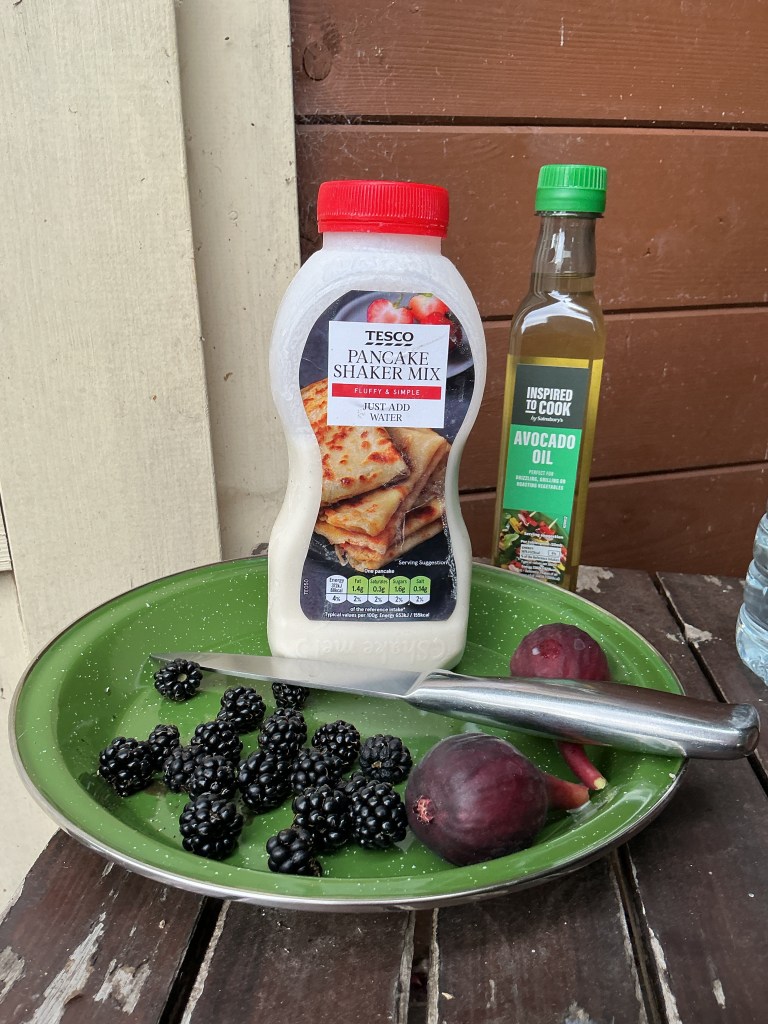
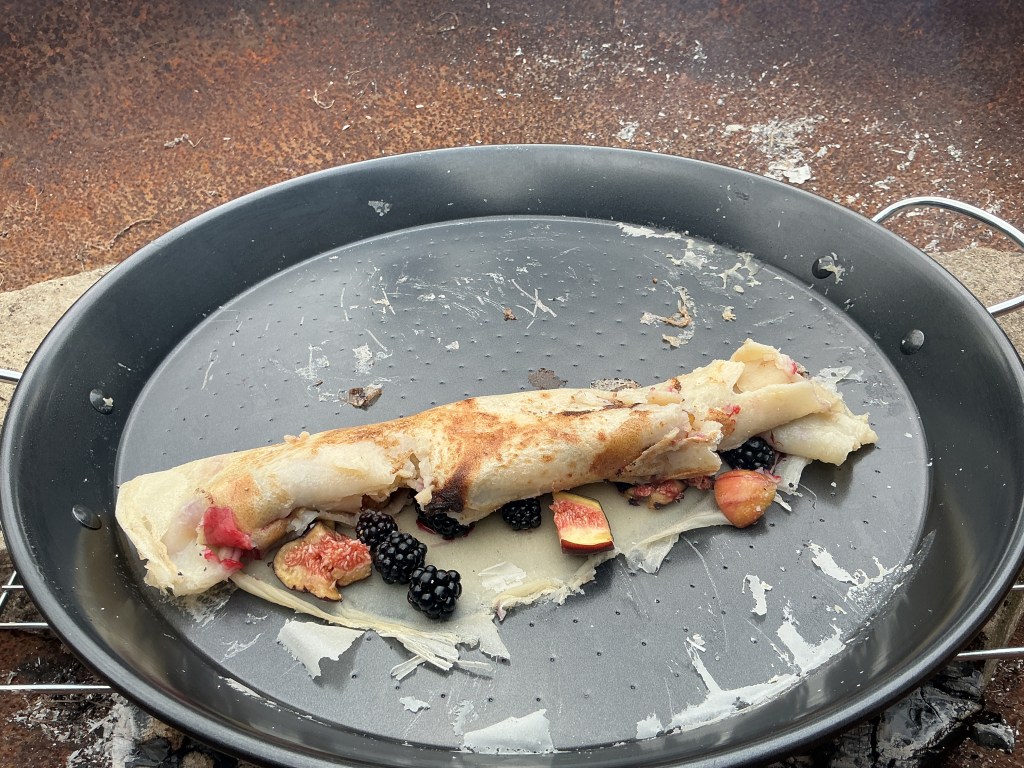
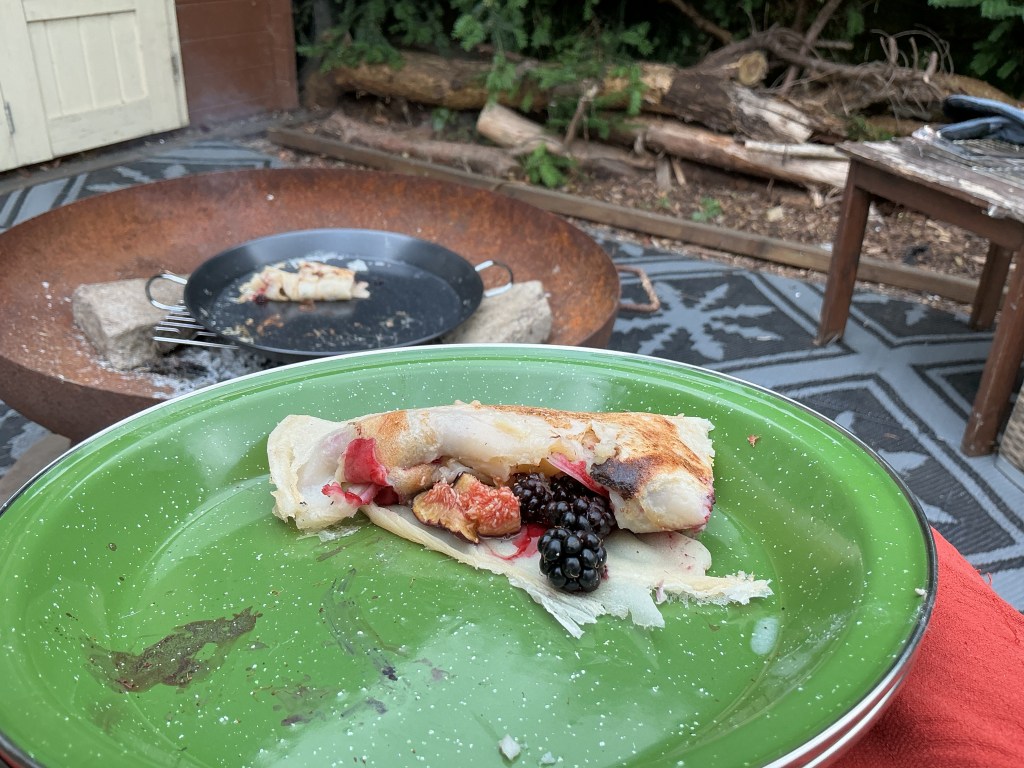
- Cooking pancakes.
- Frying eggs.
- Frying sausages
A stable pan or skillet can be placed on a grill or suitable cooking stand over the fire.
Food Hygiene and Safety
- Use only a small amount of oil to reduce the risk of spills and flare-ups.
- Never leave hot oil unattended.
- Keep water away from hot oil.
- Use suitable utensils and heat-resistant gloves.
- Ensure food is cooked thoroughly.
- Keep pan handles turned away from where the students are positioned.
- Allow food to cool before serving.
How I Would Teach My SEN Students – I would introduce frying using a simple recipe such as pancakes or fried sausages, as students can easily see and smell the food changing as it cooks.
I would demonstrate how the pan is positioned securely and explain the dangers of hot oil. Students would be kept at a safe distance while the pan is heated.
Depending on their individual ability, students could:
- Help prepare the ingredients.
- Measure ingredients.
- Mix the ingredients.
- Watch the food being placed into the hot pan.
- Observe the changes as it cooks.
- Help with safe, supervised stirring or turning if appropriate.
- Allow the food to cool before eating.
I would use clear verbal instructions, visual prompts and one-step instructions where necessary. Students who require more support could be given a specific role, such as measuring or mixing, allowing them to participate successfully without being exposed to unnecessary risk.
I would repeatedly reinforce that water must never be added to hot oil and that students must not touch the hot pan.
Method of Cooking – Baking
Baking uses dry heat to cook food in a covered container, Dutch oven or suitable camp oven placed over or next to the fire. Double layers of tin foil can also be used and food placed directly in the embers.
Forest School examples:
- Baking bread rolls.
- Making simple campfire cakes or muffins.
- Baking apples.
- Baking bananas
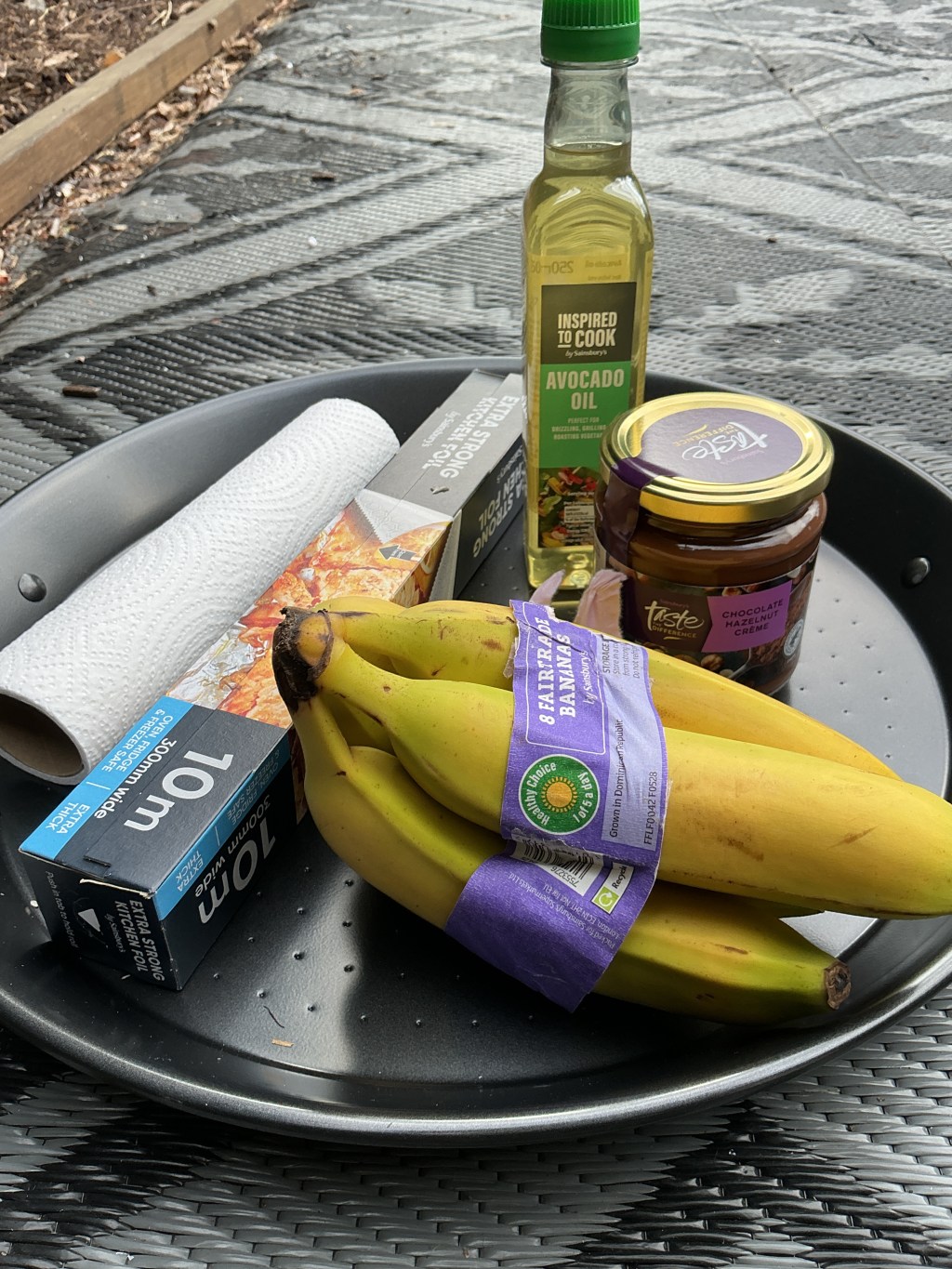
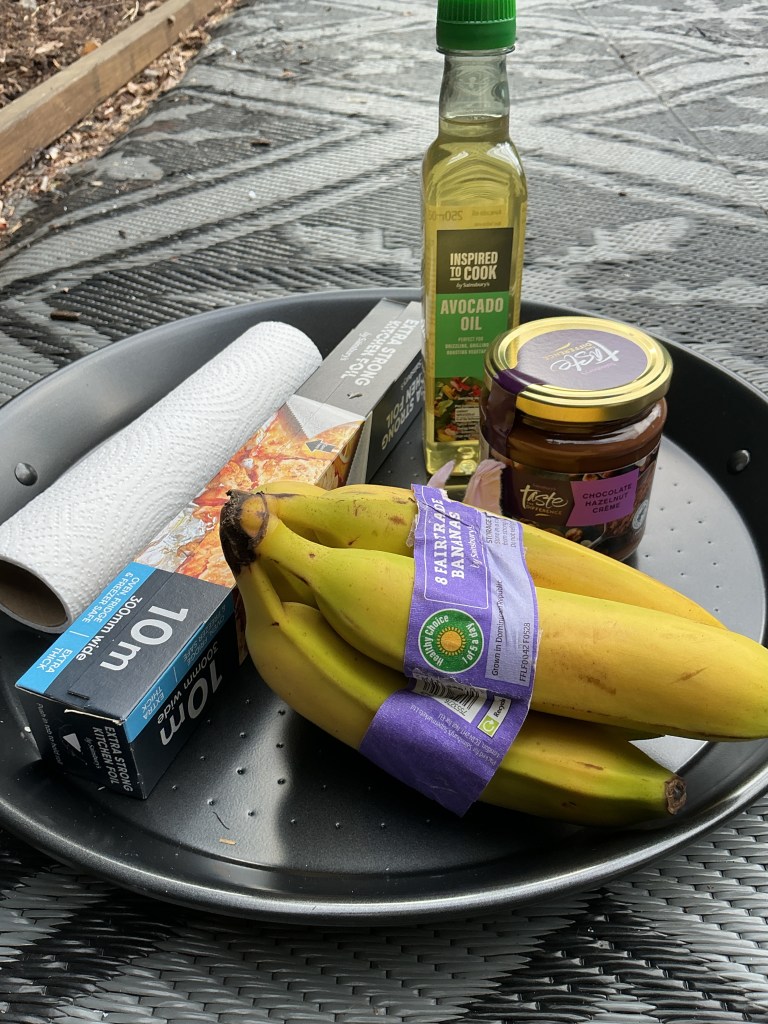
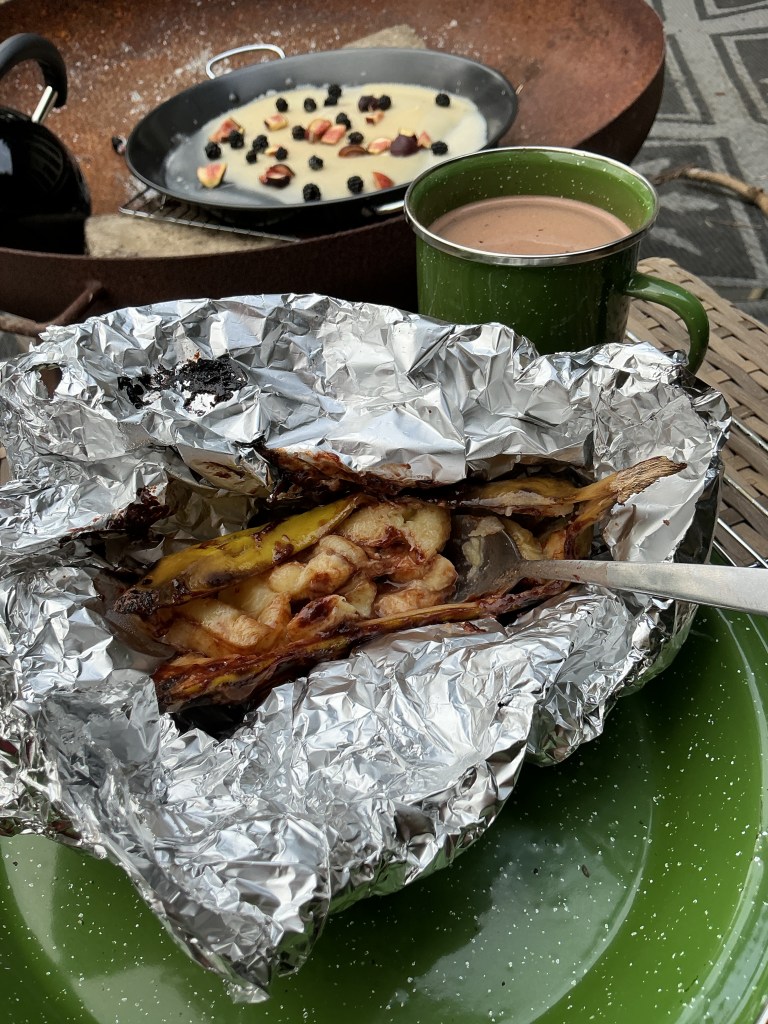
A great starter receipe is baking bananas in the coals. The banana can be left in its skin and a slit carefully made along the length. A small amount of chocolate can be added if required. The banana is then wrapped securely in foil and placed into the hot embers, rather than directly into the flames. After approximately 10–15 minutes, the banana can be carefully removed using suitable fire tools and allowed to cool before opening.
Food Hygiene and Safety
- Wash hands before preparing food.
- Use clean equipment and preparation surfaces.
- Check ingredients and allergens before cooking.
- Keep raw ingredients separate from cooked food.
- Ensure food is cooked thoroughly.
- Use heat-resistant gloves or suitable fire tools when handling hot cooking equipment or removing food from the coals.T
- ake care when opening foil as hot steam may escape.
- Allow food to cool before students eat it.
How I Would Teach My SEN Students – Baking is particularly useful for developing independence because students can take part in several stages of the process.
For baked bananas, students could:
- Wash the banana.
- Carefully make a slit in the skin with adult support.
- Add a small amount of filling, such as chocolate, if required.
- Wrap the banana securely in foil.
- Observe me placing the banana safely into the hot embers.
- Help to count or time the cooking period.
- Observe the changes in the banana as it cooks.
- Allow the banana to cool before eating.
I would use photographs or visual sequencing cards to show each stage of the recipe. This would support students who find verbal instructions difficult and help them understand what happens next.
The higher-risk parts of the activity, such as placing food into and removing it from the hot embers, would be carried out by myself or by a competent student under direct supervision.
As students become more confident, I would gradually reduce the level of prompting and encourage them to follow the recipe more independently.


Leave a Reply