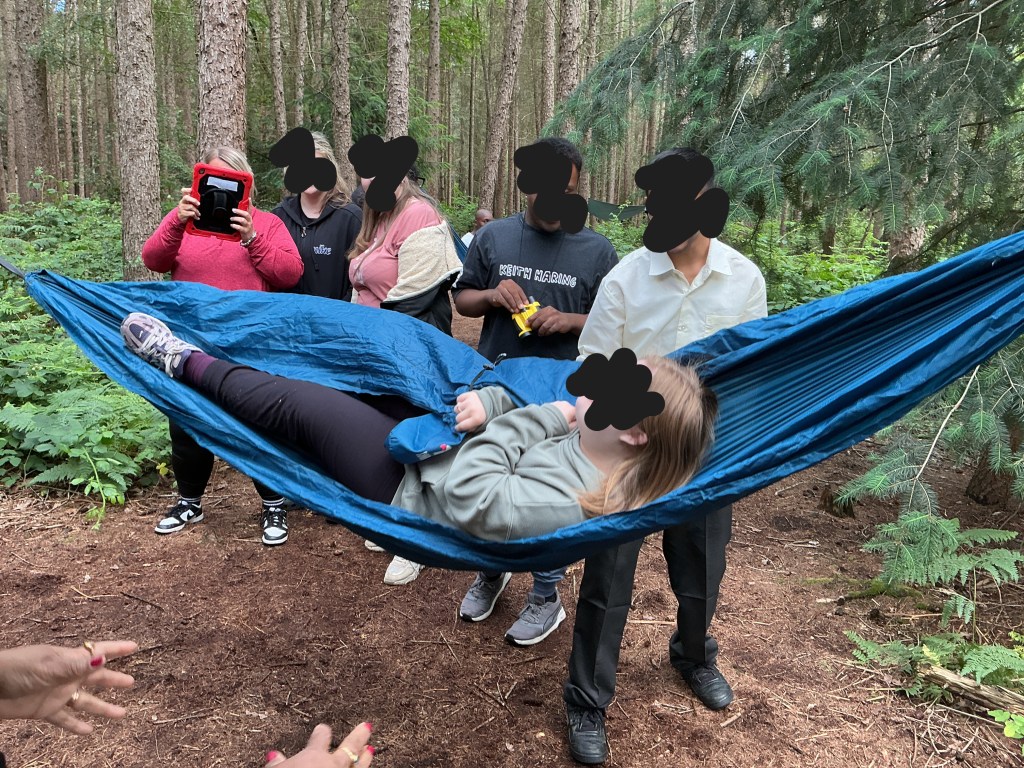
Encouraging appropriate behaviour at Forest School is about building positive relationships rather than managing behaviour through rewards or consequences. I wish you could see the smiling faces of my students above!!!! This was a group of students that would not normally work together, working as a team to put up thier first hammock. This was them celebrating thier success!!!!
Behaviour is a form of communication, and my role is to understand the reasons behind a student’s behaviour and provide the support they need to achieve. This approach reflects both the Forest School ethos and the Positive Behaviour Support (PBS) and Thrive approaches used throughout my school, which I have naturally carried through into my Forest School sessions.
Working in a special educational needs (SEN) school, I recognise that behaviour is often influenced by anxiety, communication difficulties, sensory needs, previous experiences or a student’s ability to regulate their emotions. Instead of focusing on the behaviour itself, I aim to understand what the student is trying to communicate.
One of the most effective methods of encouraging appropriate behaviour is building positive, trusting relationships. Forest School provides the time and space to get to know students outside of the classroom, allowing relationships to develop naturally. I have noticed that students who may struggle to engage indoors often become more relaxed in the woodland environment. By spending time alongside them, listening to their ideas and allowing them to work at their own pace, I have seen confidence grow and behaviour improve over a short period time. This demonstrates the importance of connection before expectation.
The Thrive approach places a strong emphasis on emotional development, recognising that students need to feel safe and secure before they are ready to learn. I apply this throughout my Forest School sessions by creating a calm, predictable environment where students know what to expect. Consistent routines, clear boundaries and familiar expectations help reduce anxiety, particularly for students with autism or communication difficulties. I have found that when students feel secure, they are much more willing to explore, communicate and take part in new experiences.
Positive Behaviour Support (PBS) also plays an important role in my practice. Rather than reacting to behaviour, PBS encourages practitioners to understand why behaviour is happening and to adapt the environment or activity to meet the student’s needs. I regularly observe students during sessions, looking for possible triggers such as sensory overload, uncertainty or frustration. By recognising these early, I can make small adjustments before behaviour escalates. This might include giving a student extra processing time, offering choices, adapting an activity or providing a quieter space if they become overwhelmed. From my experience, preventing difficulties is far more effective than responding once a student has become dysregulated.
Giving students choice is another effective way of encouraging positive behaviour. Forest School is centred around learner-led experiences, allowing students to make decisions about their learning while working within safe boundaries. Having ownership over activities increases motivation and engagement, particularly for students who may have limited opportunities to make independent choices in other areas of school life. I have noticed that when students are given genuine choices, they are more willing to participate and take responsibility for their behaviour.
Clear and consistent boundaries are equally important. Forest School allows freedom, but it is not without structure. My students were used to staying very close to thier trusted adults. I encouraged them to move away from the group and introduced simple rules that helped them understand how to keep themselves and others safe. One example from my own practice was changing our first Forest School rule from ‘Make sure staff can see you at all times’ to ‘Make sure you can see staff at all times.’ This small change encouraged students to take responsibility for their own safety rather than relying solely on adults. I found that this wording was much more meaningful for my students and reinforced independence alongside safe behaviour.
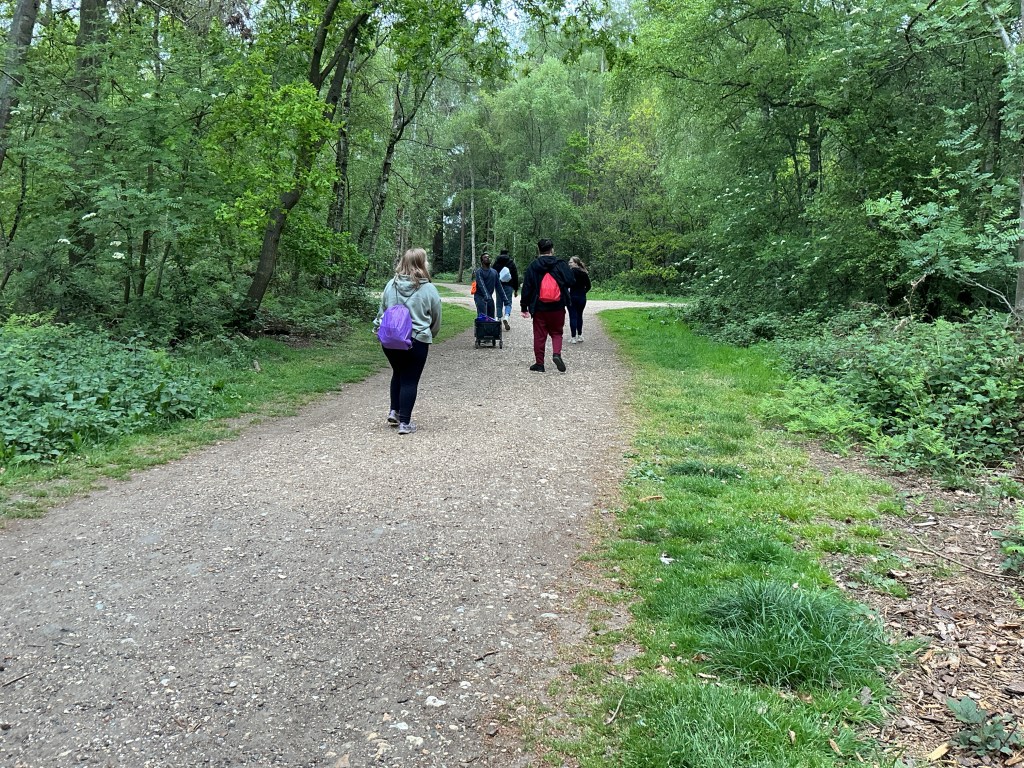
Encouraging appropriate risk taking also has a positive impact on behaviour. When students are trusted to explore the woodland a little further away from adult supervision that they are used to, they develop confidence and a sense of responsibility. Rather than constantly directing students, I encourage them to assess situations, consider possible risks and make informed decisions. This helps students understand that freedom comes with responsibility, which is an important part of both Forest School and Positive Behaviour Support.
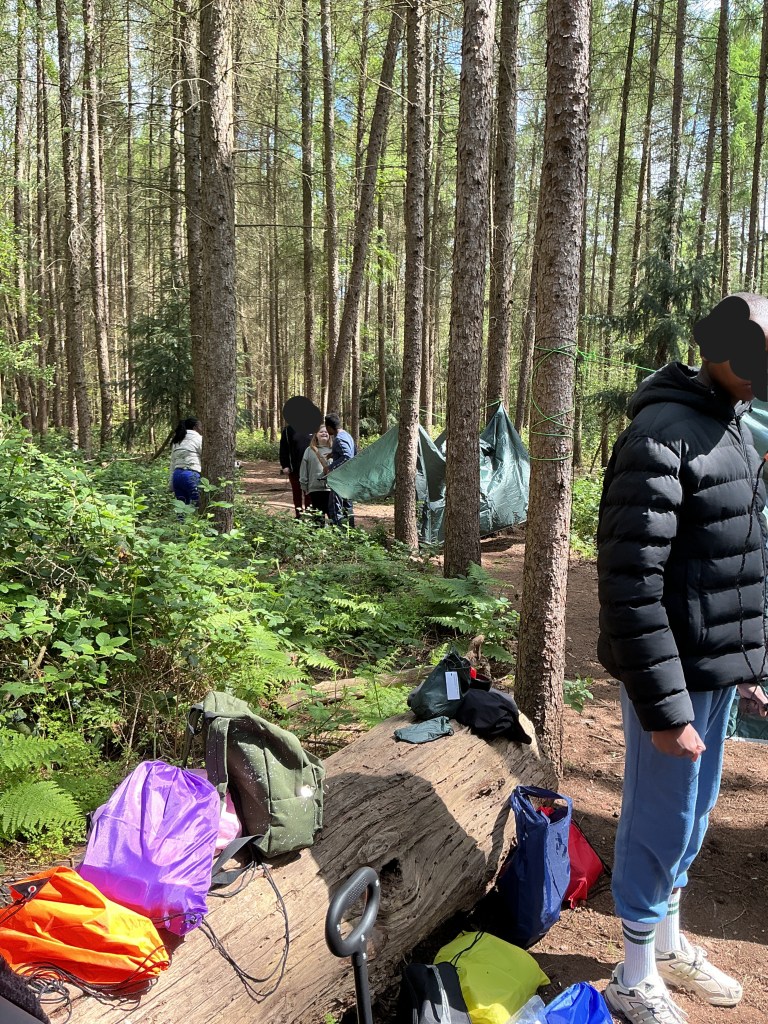
Praise and positive reinforcement are also valuable. They are most effective when they recognise effort, perseverance and personal progress rather than simply the final outcome. Celebrating small achievements helps students build confidence and encourages them to continue challenging themselves. For many of my students, success is not always measured by completing an activity independently. It may be asking for help appropriately, working alongside another student, trying something new or showing resilience after finding a task difficult. Recognising these achievements encourages positive behaviour and supports emotional development.
Reflecting on my own practice, I have learned that there is no single strategy that works for every student. Every individual has different strengths, needs and motivations, so encouraging appropriate behaviour requires flexibility, patience and careful observation. The most successful Forest School sessions are those where students feel safe, respected and understood. By combining the principles of Forest School with the PBS and Thrive approaches used across my school, I create an environment where students are supported to regulate their emotions, develop positive relationships, make appropriate choices and become increasingly confident and independent. I have found that this approach not only encourages positive behaviour within Forest School but also helps students develop skills that transfer into other areas of thier school life.




Leave a Reply