How Vygotsky Came Alive During My Six-Week Programme
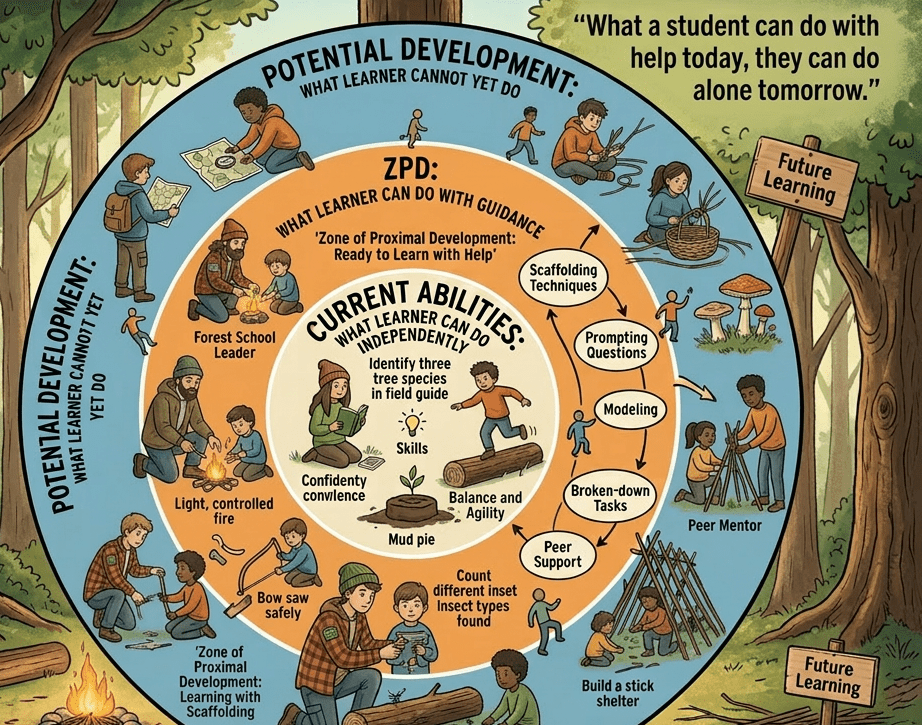
Vygotsky’s Zone of Proximal Development (ZPD) is clearly evident throughout my Forest School practice. It describes the gap between what a learner can do independently and what they can achieve with guidance and support. Within my six-week Forest School programme, I have observed this theory in action as students moved from relying heavily on adult support to becoming increasingly independent and able to learn collaboratively.
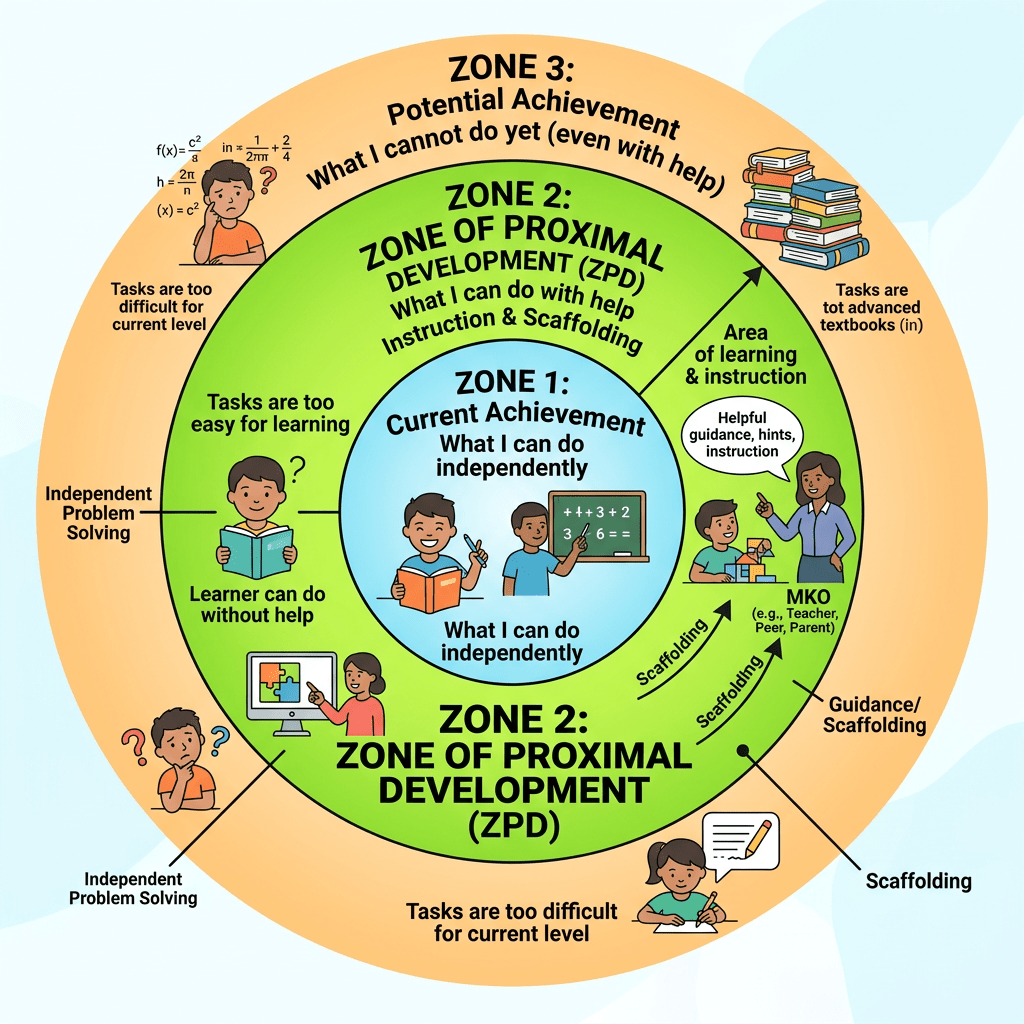
At the start of the programme, I deliberately reduced the level of immediate adult support that students were used to. I stepped back and allowed more time for them to attempt tasks independently before intervening. This was challenging for some students and initially led to increased anxiety and behaviours, as they were accustomed to adults stepping in quickly to resolve difficulties. On reflection, I recognise that I reduced scaffolding too quickly at the beginning, which was an important learning point for my own practice.
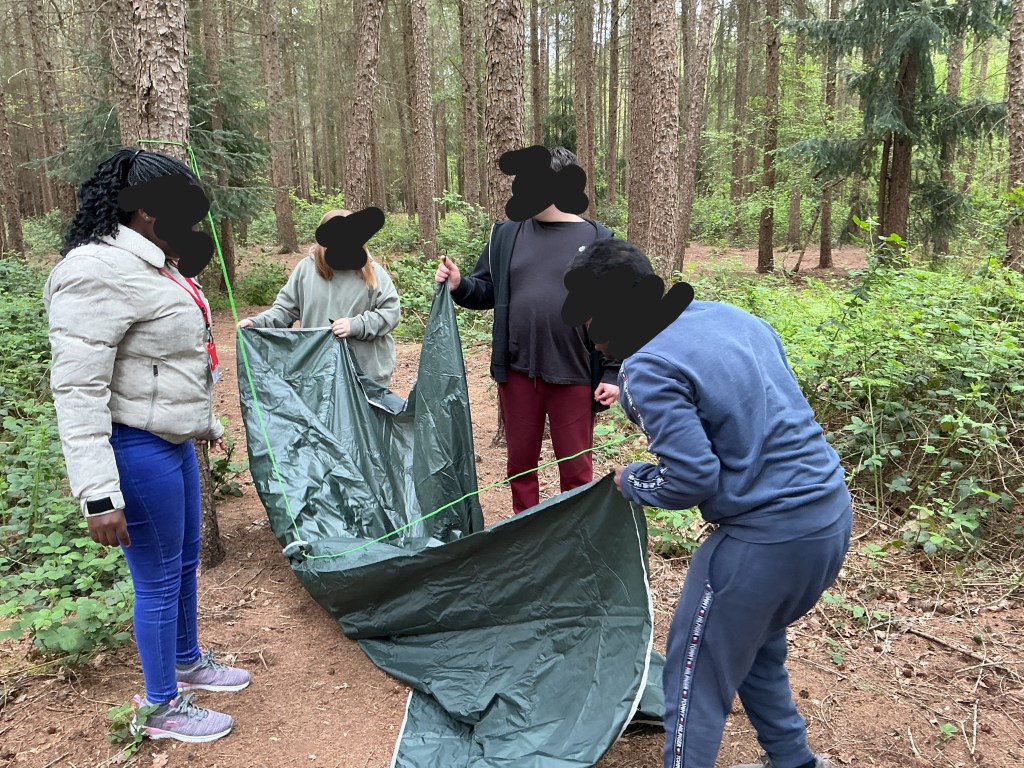
As the sessions progressed, students began to adapt to this approach. One of the most significant developments was that they started to seek help from each other rather than relying solely on adults. They recognised that support came not only from staff, but also from their peers. This shift was a key step in developing independence and reflects Vygotsky’s view that learning is socially constructed through interaction.
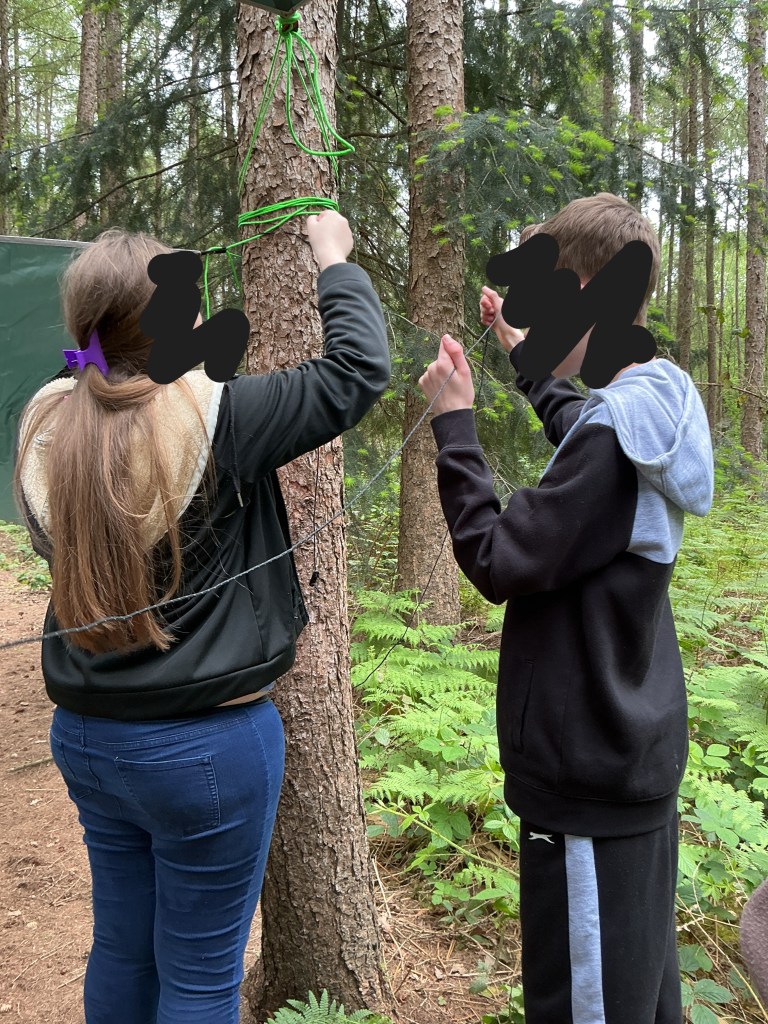
My role was to intervene only when students had genuinely attempted to solve problems independently or with peer support. This allowed me to provide targeted scaffolding at the point it was needed, rather than directing learning from the outset. I became more intentional in the questions I used, focusing on prompts that encouraged thinking and problem-solving rather than giving answers. Over time, I recognised how powerful this approach is in supporting independence and confidence.
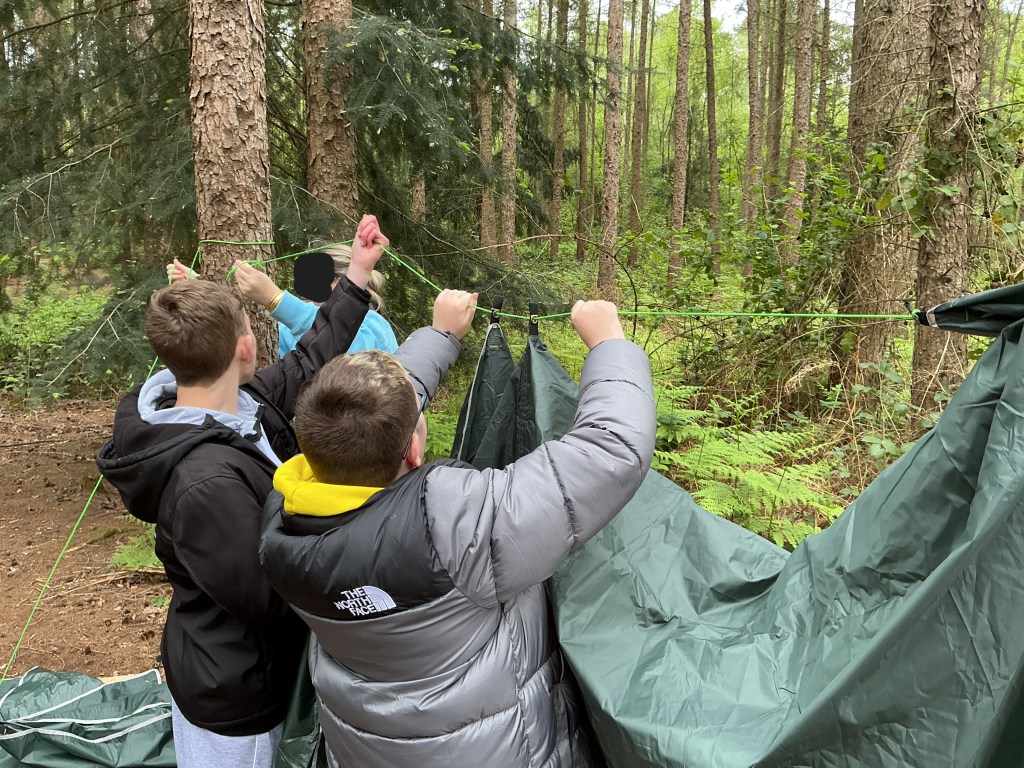
Several students demonstrated clear progression within their own zones of development. Ronnie showed growing independence and a greater willingness to explore the woodland environment. Daniel quickly developed confidence, moving further away from the main group and taking on a natural leadership role, often encouraging peers to follow him. Kelly increased in confidence and began to take a more active leadership role within group tasks, particularly from session three onwards. Tabitha demonstrated early independence from the first session, engaging well with tasks. Chams showed a noticeable reduction in stimming and repetitive behaviours as his engagement and comfort within the environment increased.
Daniel was the first student I felt could be almost fully left to lead his own learning at times. His confidence and decision-making skills allowed him to work independently while also influencing others. He often supported peers by guiding them through tasks, which in turn encouraged their own independence. This peer-to-peer learning was a clear example of students working within each other’s zones of proximal development.
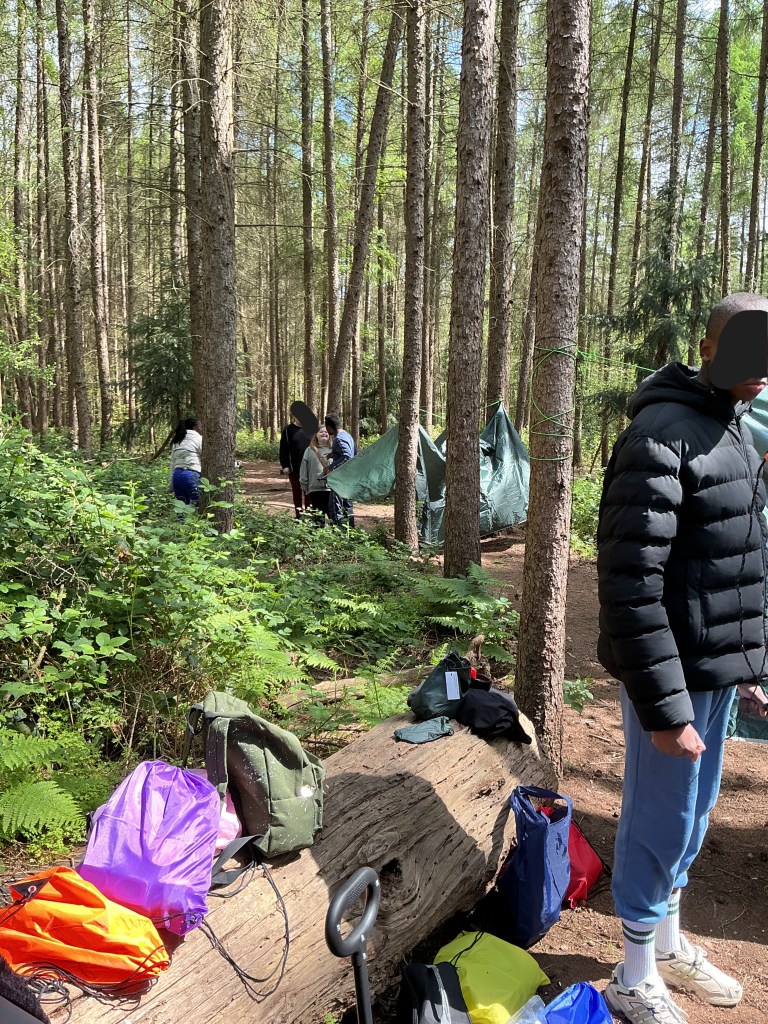
The role of support staff was also significant. Initially, they found it difficult to reduce their level of intervention, as their instinct was to help students complete tasks successfully. Over time, we developed a shared understanding that the focus of Forest School is not the end product, but the learning process. This shift was essential in allowing students more space to think, attempt, fail and try again.
Through this experience, I have come to understand more clearly the importance of carefully managing when and how I intervene. By resisting the urge to step in too quickly, I am able to create opportunities for students to develop problem-solving skills, resilience and independence within their own zone of proximal development. I have always asked questions before giving answers, but I now fully recognise the impact this has on student learning and confidence.
Overall, Vygotsky’s theory is not something that I think about during my sessions, but something that is embedded in my daily practice. I can now clearly see how students progress when given the right balance of challenge and support.


Leave a comment