When I began my Forest School journey, I had already been teaching horticulture and Outdoor Learning at my specialist school for eight years. Before becoming a teacher, I was a trained florist and achieved my RHS Level 2 qualification in horticulture. Nature has always been a huge part of my life. I can still remember walking to primary school one morning and noticing the tiny leaf buds appearing on the hedgerows. My children went to the same primary school and I would always walk up that same path and remember that day. I have always been fascinated by the natural world and have always believed in treating it with kindness.
I have always enjoyed sharing my love of nature with my students through horticulture and visits to farms, parks and woodlands. However, over the last few years the needs of our students have become increasingly complex and I found myself questioning whether I was still making the impact that I wanted to. I remember saying to my line manager that I had “one foot out of the door.” Looking back now, I realise I had lost some of the enthusiasm that had always driven my teaching. I was losing my confidence.
My line manager encouraged me to complete a coaching course and, around the same time, I began looking into Forest School. Initially, I thought Forest School would simply be another way of supporting students with more complex needs. One of the biggest lessons I learned very early on was that I had completely misunderstood its purpose. Forest School is not designed for one particular group of students; it is an approach that can benefit everyone. That realisation changed the way I viewed both Forest School and my own teaching.
After completing my Level 1 qualification, I knew immediately that I wanted to continue onto Level 3. I loved everything about it, and I am incredibly grateful that my school supported me by funding the qualification. Looking back now, I realise they were investing not only in Forest School but also in me as a practitioner. I realise they saw something in me that I couldn’t see in myself at the time.
Throughout the training, I gradually realised that many of the principles of Forest School were already embedded within my own teaching. My Outdoor Learning sessions had always been flexible and student-led. I encouraged exploration, appropriate risk-taking and learning through practical experiences rather than simply telling students the answers. The course gave me the confidence to recognise these strengths while also helping me understand the theory and philosophy that underpin them. It gave purpose and structure to practices that had previously felt instinctive.
My previous qualifications in floristry and horticulture also became much more valuable than I had realised. During my training I rediscovered my passion for plants, learning, and the natural environment. Studying woodland plants, identifying species and revisiting their Latin names reignited an interest that had faded over time. I found myself noticing far more when walking in the woods with my bulldog, Bill. I began slowing down, observing seasonal changes, listening more carefully and appreciating details that I had previously walked past without noticing. Forest School has not only changed the way I teach; it has changed the way I experience nature myself.
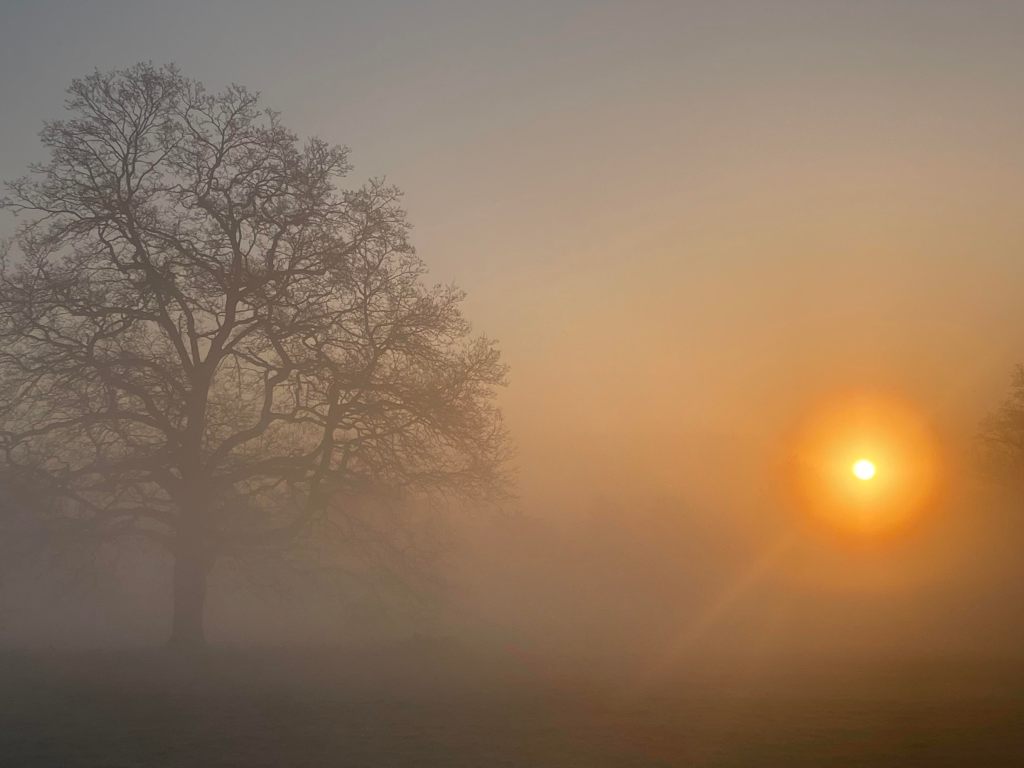
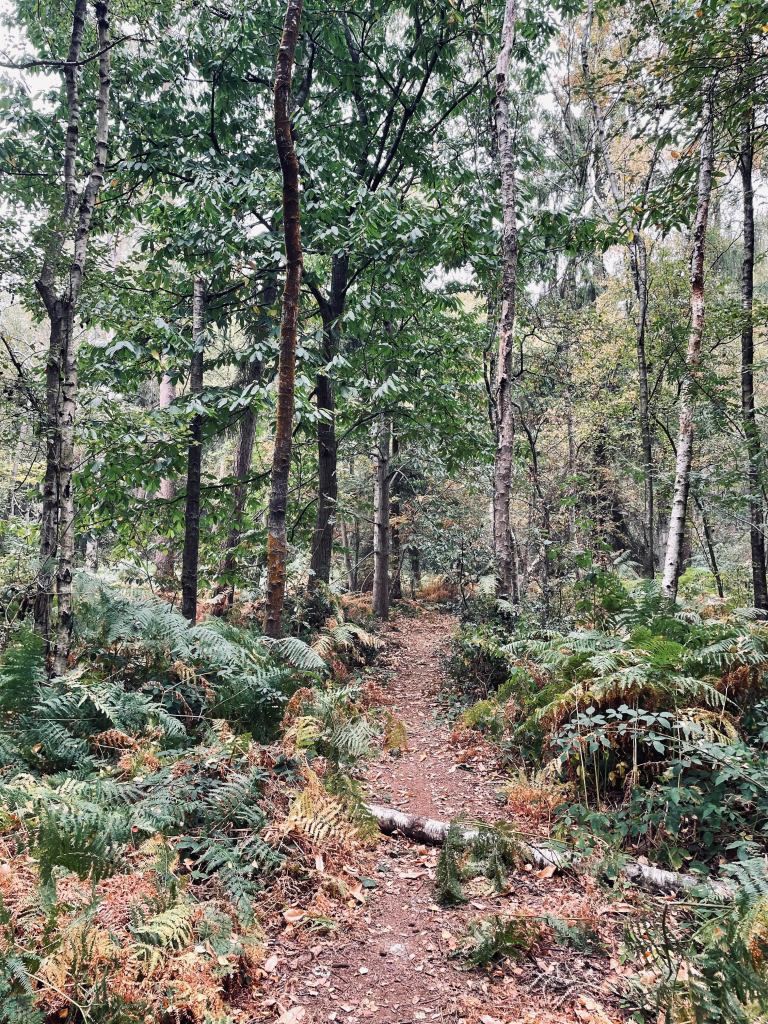
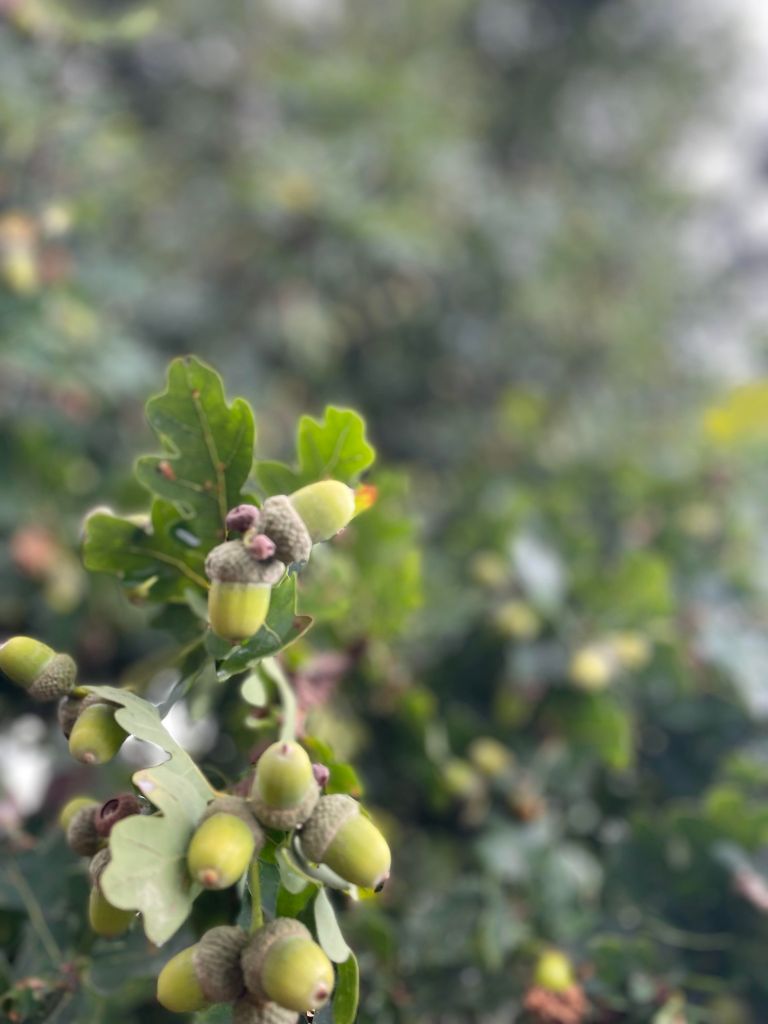
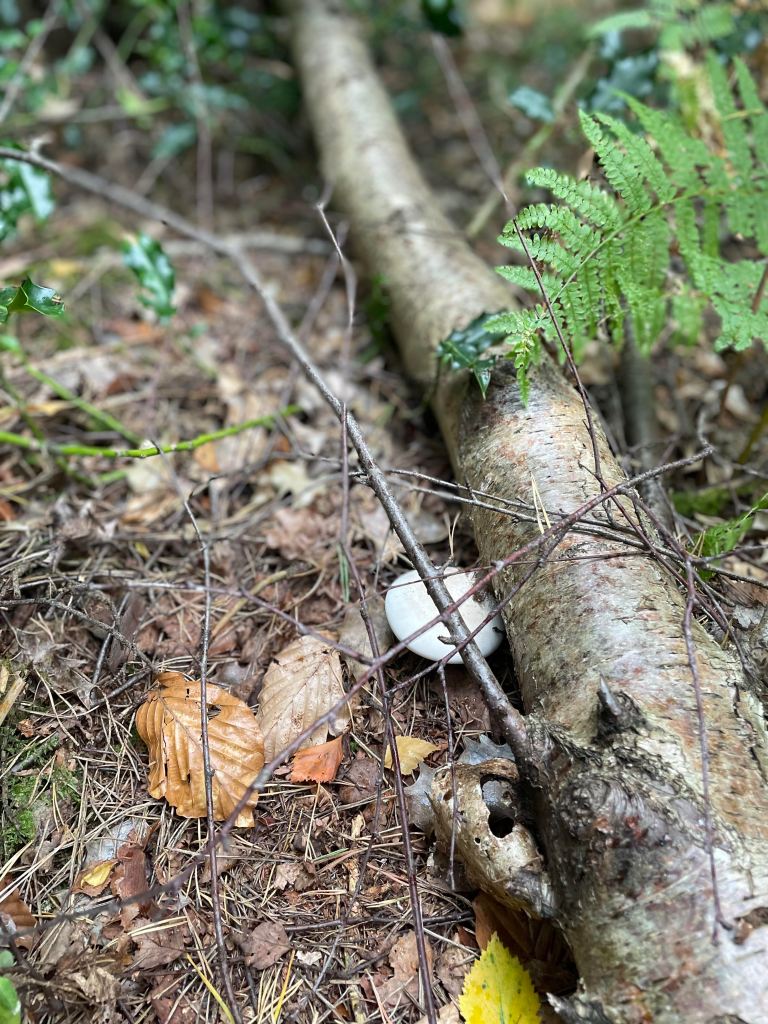
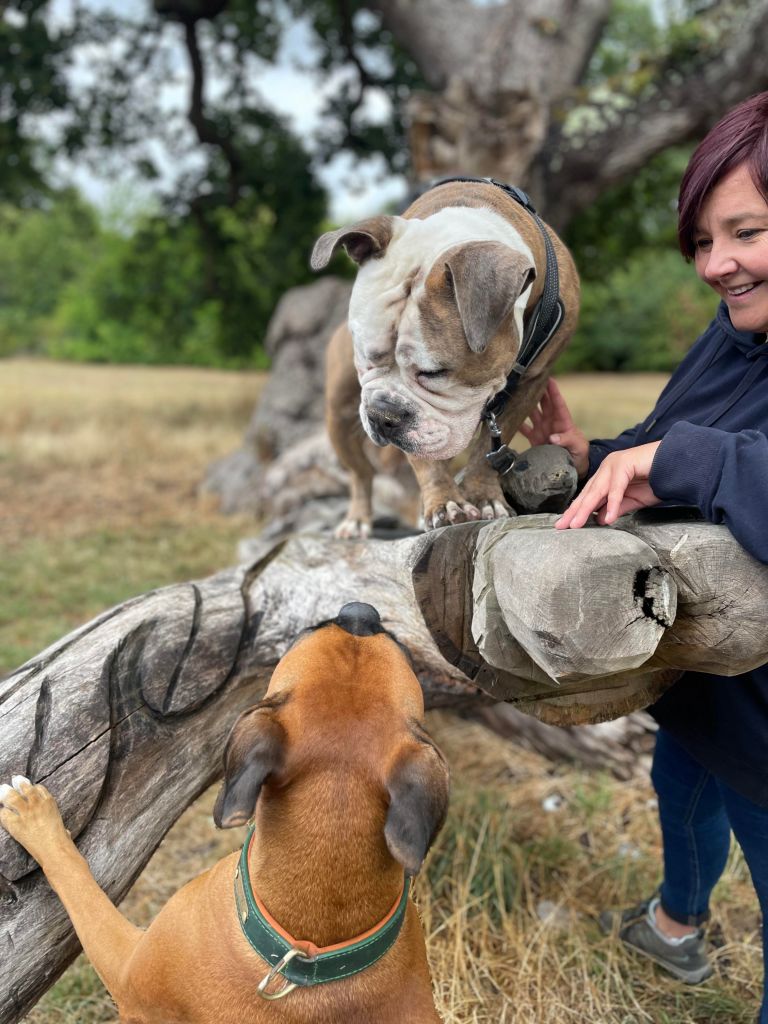
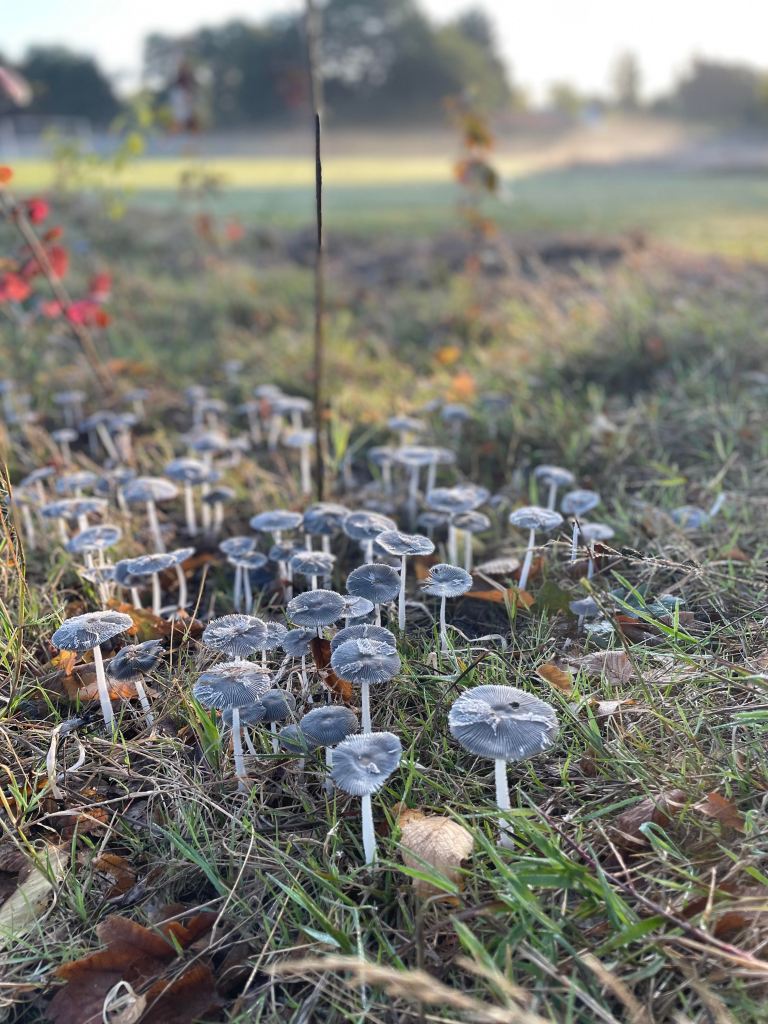
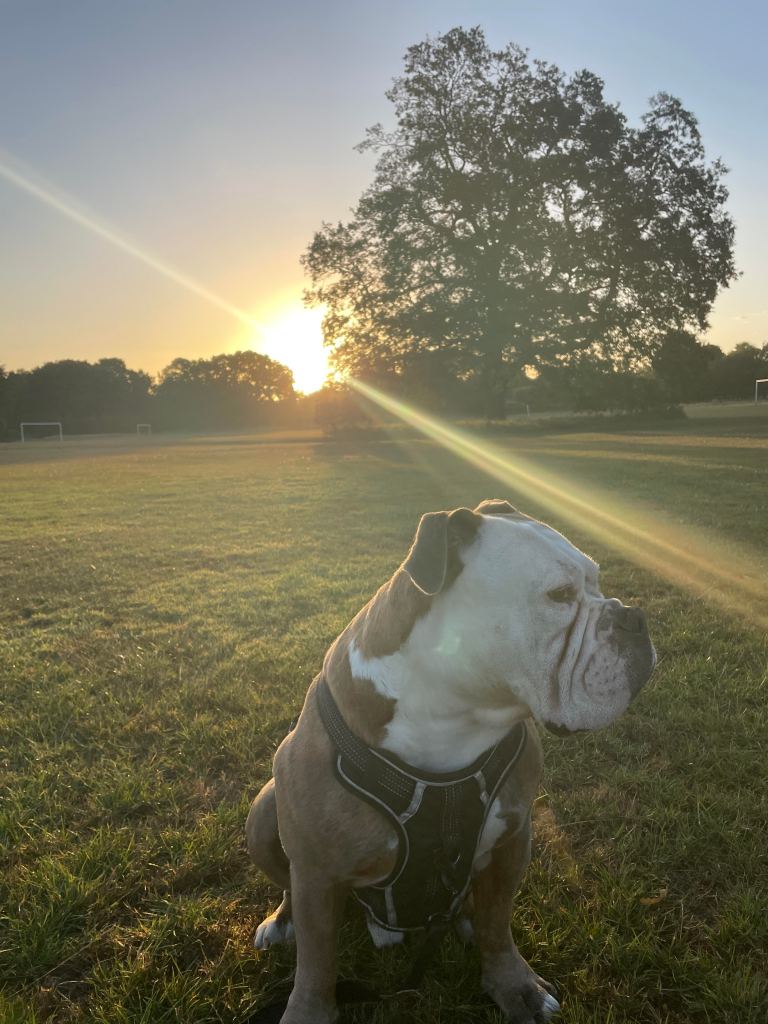
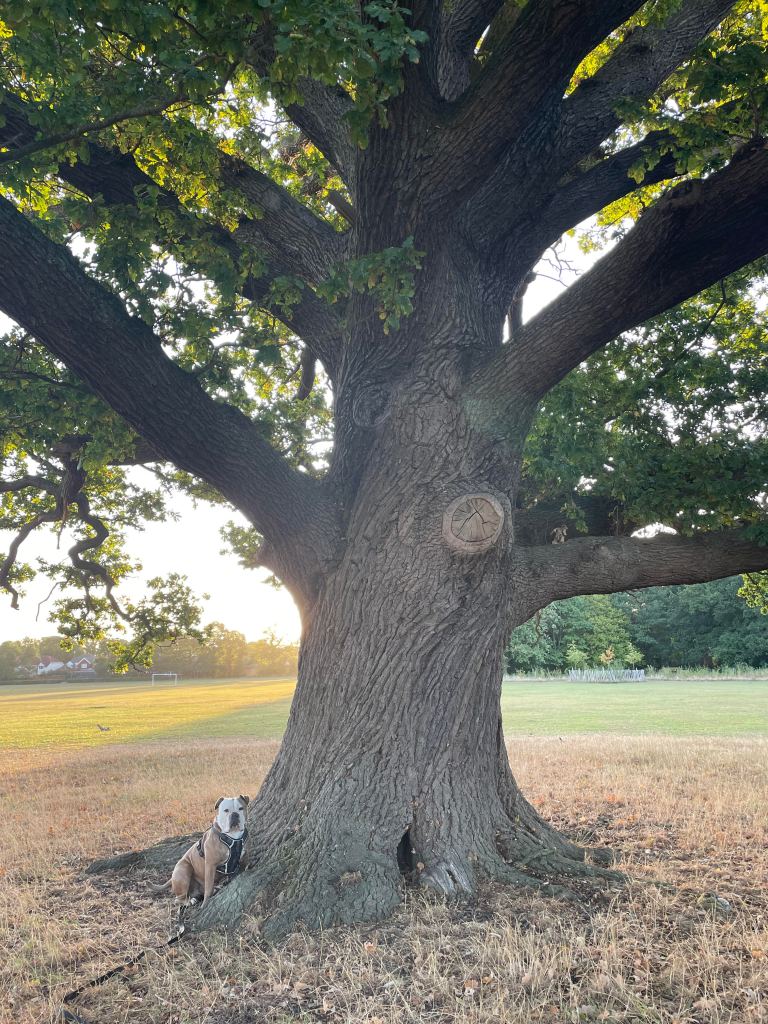
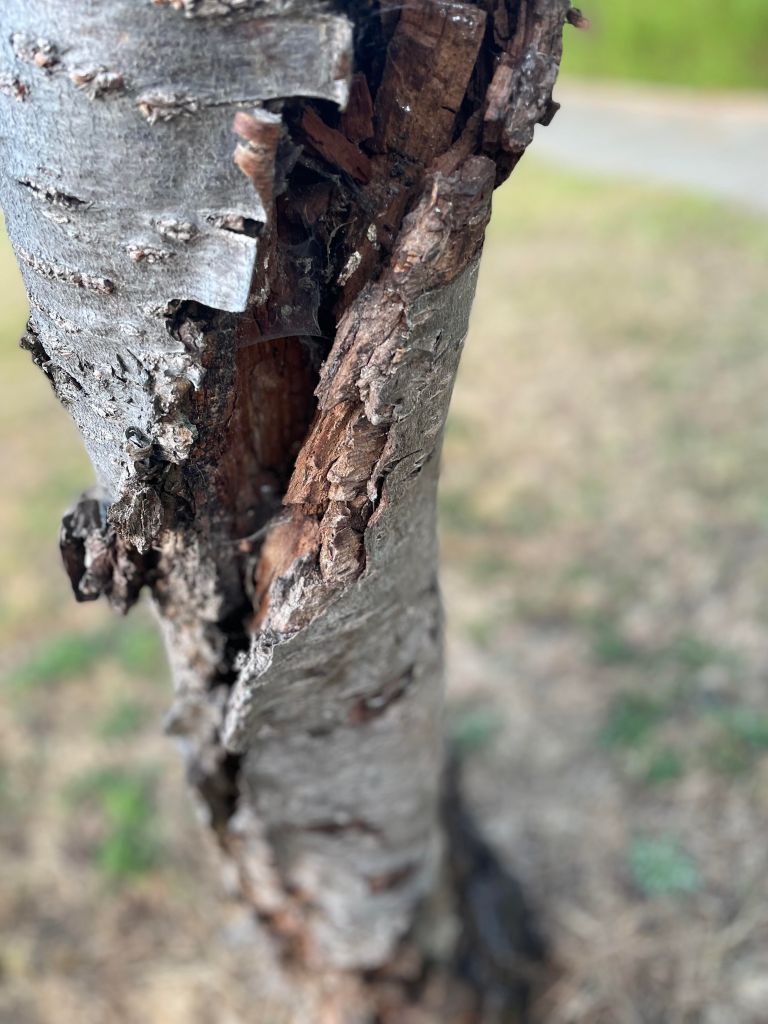
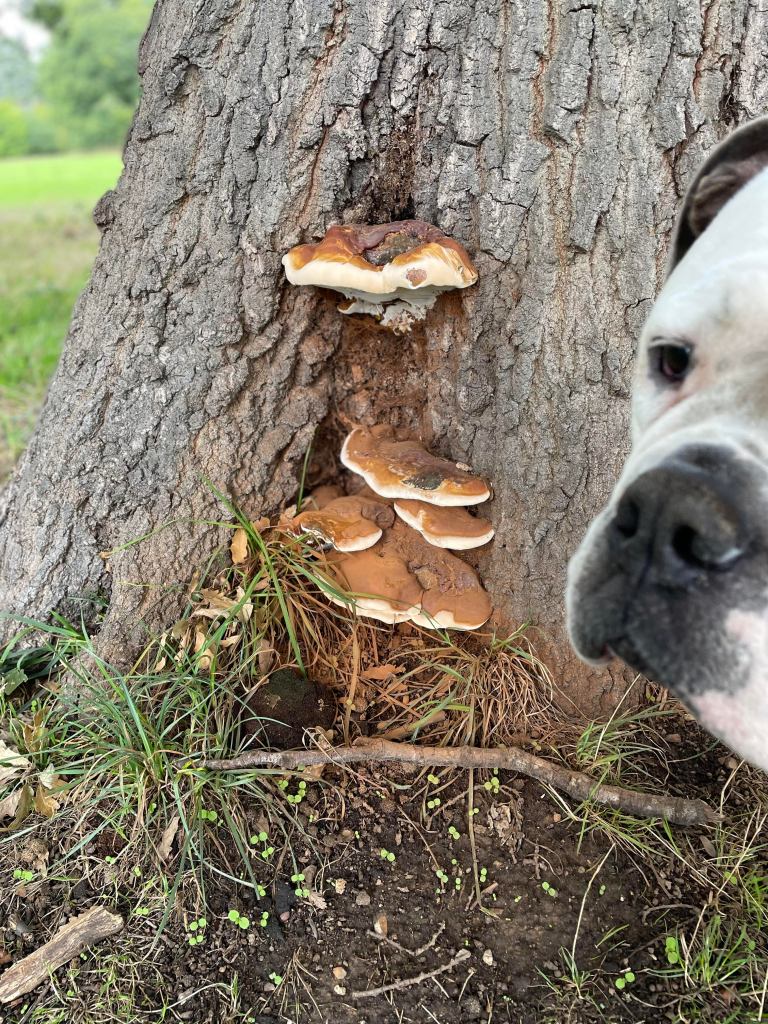
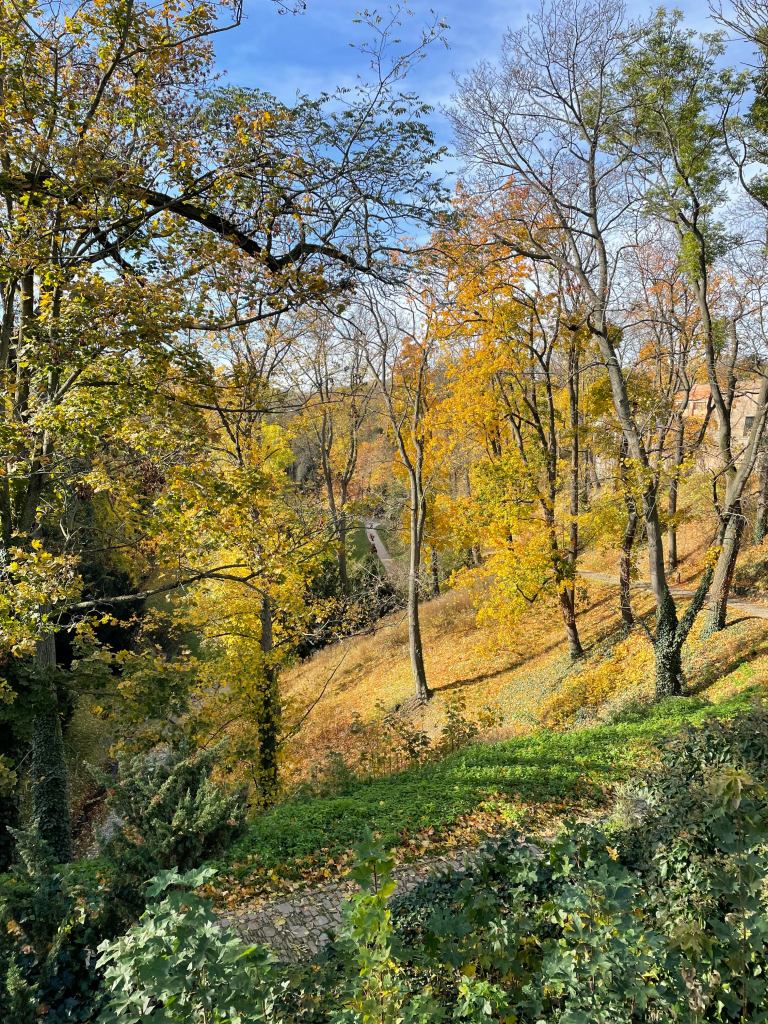
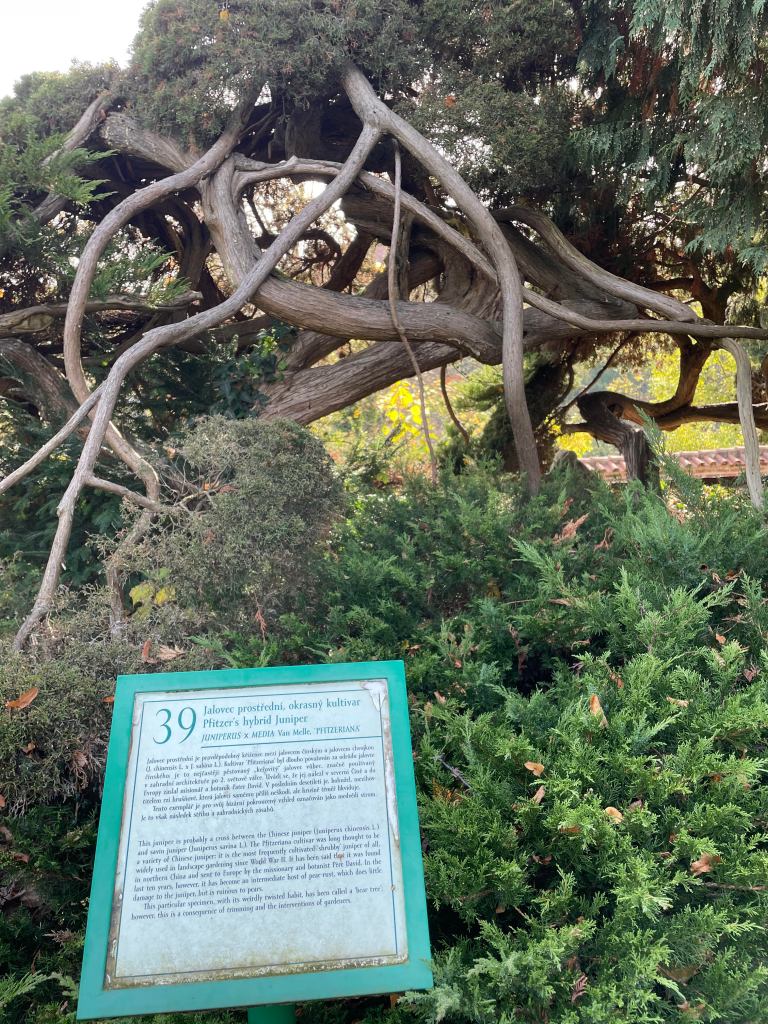

One aspect of the course that I particularly enjoyed was completing the written assignments. Rather than seeing them as separate from my work, I was able to apply everything I was learning directly to my students throughout the week. Every new activity or idea became something that I wanted to try. I bought resources, adapted activities and, as I often joked, my students became my willing “guinea pigs.” This gave me the opportunity to refine activities before beginning my assessed six-week Forest School programme, meaning I felt much more prepared and confident.
Starting the six-week programme was exciting but also nerve-racking. My students were nervous, and so was I. One of the biggest learning experiences came from working alongside the support assistants. They were so used to providing immediate support that stepping back and allowing students time to think, problem-solve and become independent was challenging. In many ways, it was harder for the adults than it was for the students. As the weeks progressed, we all became more comfortable with allowing students the time and space to explore, make decisions and discover things for themselves.
My training in Sheffield was undoubtedly one of the highlights of the whole process. I arrived on a freezing December morning, not knowing anyone and feeling incredibly nervous. I had no idea what to expect. Alice, our trainer, immediately created an environment where everyone felt welcome, supported and valued. She explained concepts clearly but never took over. Instead, she gently guided us, asked questions and encouraged us to find our own solutions. She never made me feel as though I was getting something wrong. Instead, mistakes became opportunities to learn, I left Sheffield wanting to know more. Looking back now, I realise she modelled exactly the type of Forest School leader I aspire to become.
The people I met during the training also had a huge impact on me. Despite coming from very different backgrounds, we quickly became a supportive group and we still keep in touch through WhatsApp, sharing ideas and celebrating each other’s successes. Listening to their experiences broadened my understanding of the many different ways Forest School can be delivered. More importantly, it made me reflect on my own life. I realised how fortunate I am to work with incredible students in a job that I genuinely love and that I now have the opportunity to combine that role with Forest School.
Not everything went according to plan during my assessment. We had originally planned to use a woodland on a local farm that my students already visit regularly. The evening before our first assessed session, the owner fell over her dog and was admitted to hospital for knee surgery, meaning we had to change venues at the last minute. We moved the programme to Black Park, somewhere I know extremely well. Although our original venue became available again after a couple of weeks, I decided to continue at Black Park to provide consistency for the students. Looking back, it was absolutely the right decision. By keeping the environment familiar, I could clearly see the students becoming more relaxed, confident and engaged as each week passed.
Perhaps the biggest lesson I have learned is that Forest School is far more than a collection of outdoor activities. It is a way of thinking and a way of working with people. It has reinforced the importance of observation, patience, positive relationships and allowing students the time to learn through their own experiences. Whether I am teaching horticulture, PSHE or Outdoor Learning, I now understand the power of asking more questions, giving students time to think, and resisting the temptation to step in too quickly.
Looking ahead, I am genuinely excited about the future. I have already requested that our Forest School programme expands to two long-term programmes each academic year, with sessions lasting at least four hours and running for a minimum of 5 months. We will return to our original woodland at the farm, where I hope to stay for many years.

Completing this qualification has required commitment, resilience and good time management. There have been occasions when life has got in the way and I have fallen behind with my assignments, but I have thoroughly enjoyed the whole process. As I approach my completion date in August 2026, I feel incredibly proud of how far I have come. Forest School has reignited my passion for teaching, reminded me why I chose this career and given me a renewed excitement for the future. I genuinely cannot wait to see where this journey takes both me and my students.


Leave a Reply