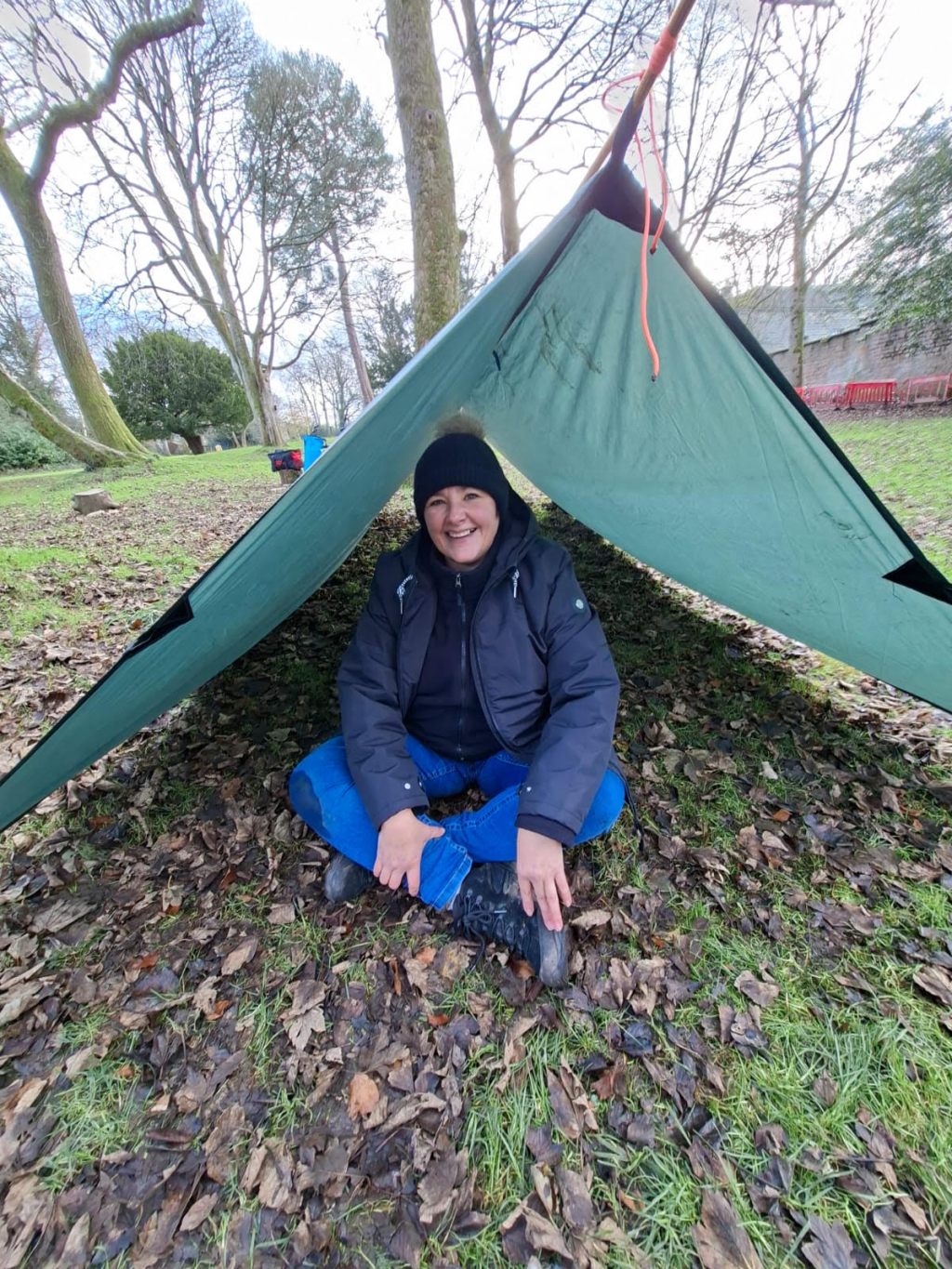
The role of the Forest School programme leader is to create a safe, inclusive and inspiring environment where students are able to learn, develop and grow through regular experiences in nature. Rather than simply delivering activities, the programme leader carefully plans opportunities that encourage students to become curious, resilient and engaged, allowing them to learn at their own pace through exploration, supported risk-taking and play.
As the Forest School programme leader within my school, I use my knowledge of each student to plan sessions that meet their individual needs, interests and abilities. Every student is different, particularly within our specialist setting, so it is important that activities are adapted to ensure everyone can participate and experience success. Some students may need additional support and scaffolding to fully engage, while others benefit from increased responsibility and opportunities to work more independently. By knowing my students well, I can provide the right balance of challenge and support to promote both learning and personal development.
Our school also follows Positive Behaviour Support (PBS) and Thrive approaches, which go hand in hand with the forest school ethos and I have embedded these principles throughout my Forest School programme. Relationships are at the heart of every session. I take time to build trust with students, helping them to feel emotionally safe and secure before encouraging them to try something new. When students feel regulated and supported, they are far more willing to explore, solve problems and persevere when activities become challenging. Forest School provides an ideal environment for this because there is no expectation for every student to achieve the same outcome. Instead, students are encouraged to enjoy the process, learn from mistakes and celebrate their own achievements.
During my Forest School training in Sheffield, I experienced first-hand how important the programme leader is in creating this type of learning environment. My trainer, Alice, modelled everything that I now aim to bring into my own practice. She explained new concepts clearly but never took over or told me exactly what to do. Instead, she asked questions, offered gentle guidance and pointed me in the right direction whenever I became stuck, allowing me to find my own way and build my confidence. The training was exciting and, at times, made me nervous, but it was the kind of nervousness that comes from wanting to challenge yourself and do well. I knew that making mistakes was simply part of the learning process, and that gave me the confidence to keep trying. I left the training sessions wanting to learn more. Experiencing this approach for myself has influenced the way I now work with my own students. Rather than giving them all the answers, I aim to guide, encourage and support them so that they experience the satisfaction of making their own discoveries and achieving success through their own efforts.
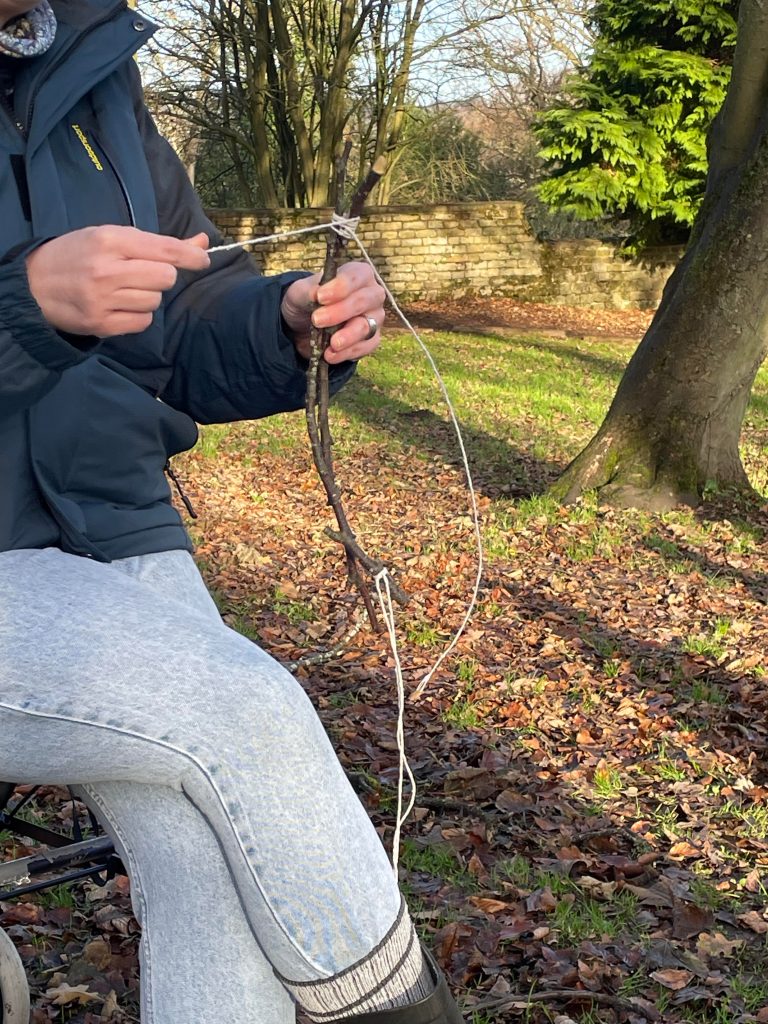
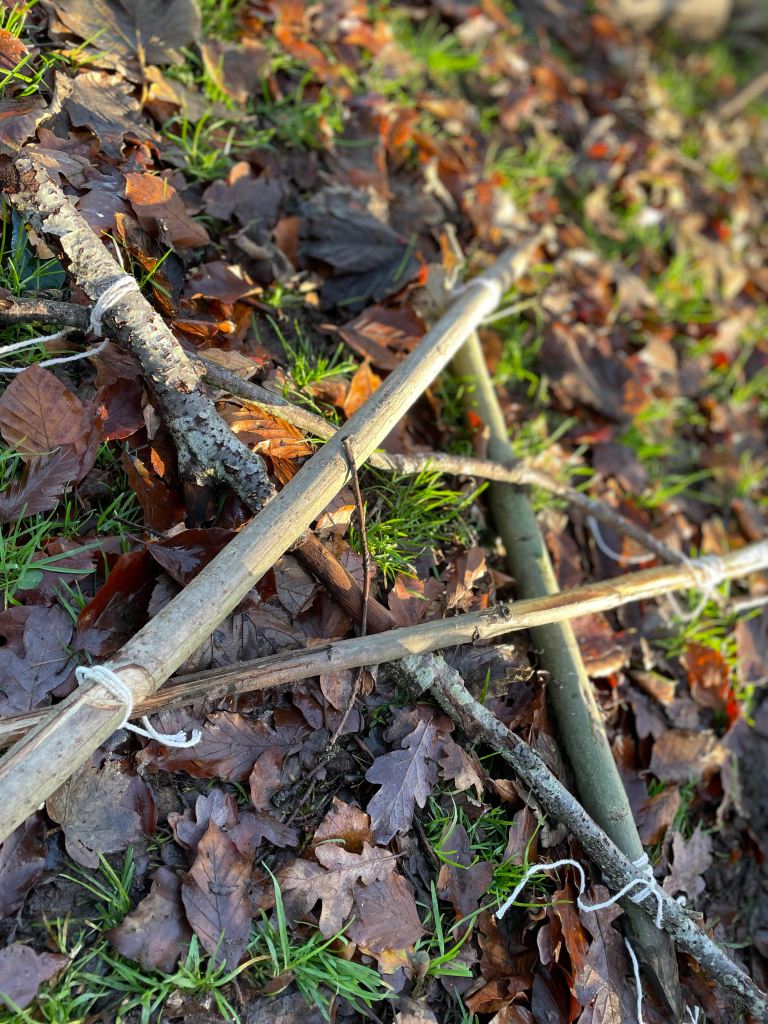
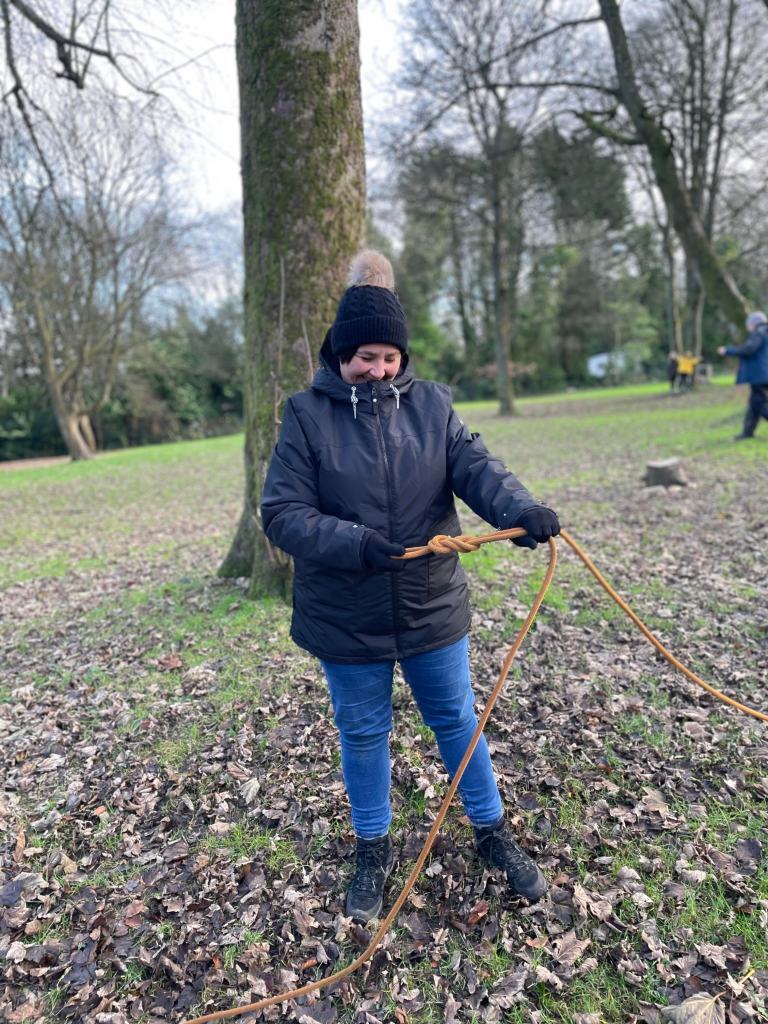
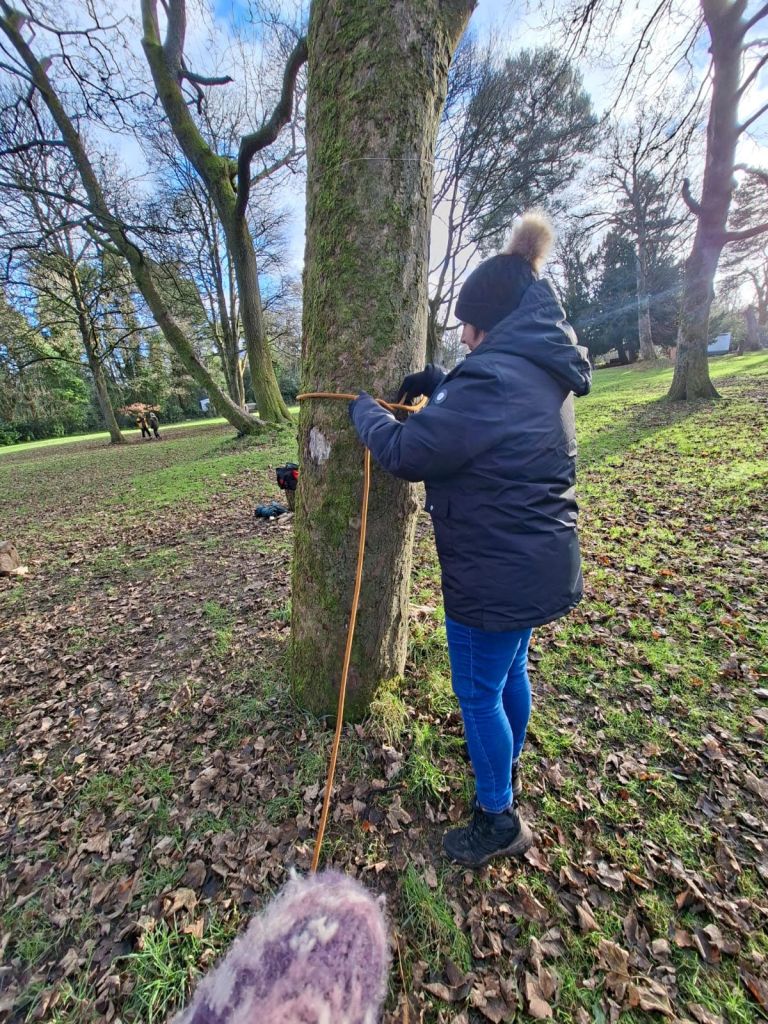
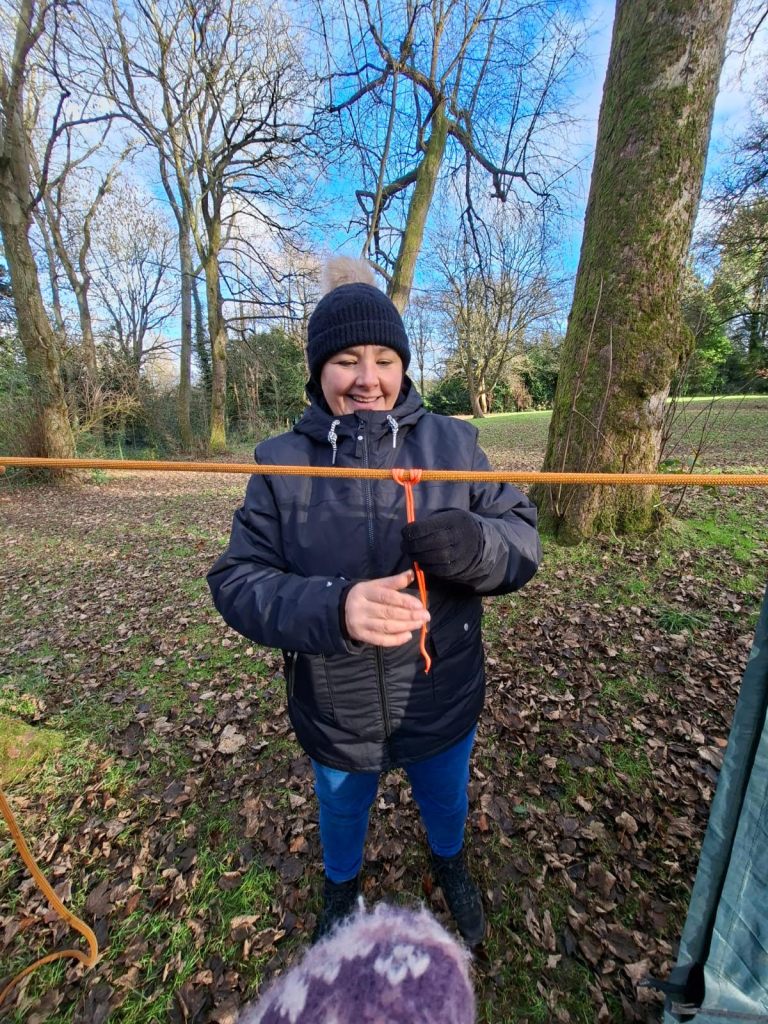

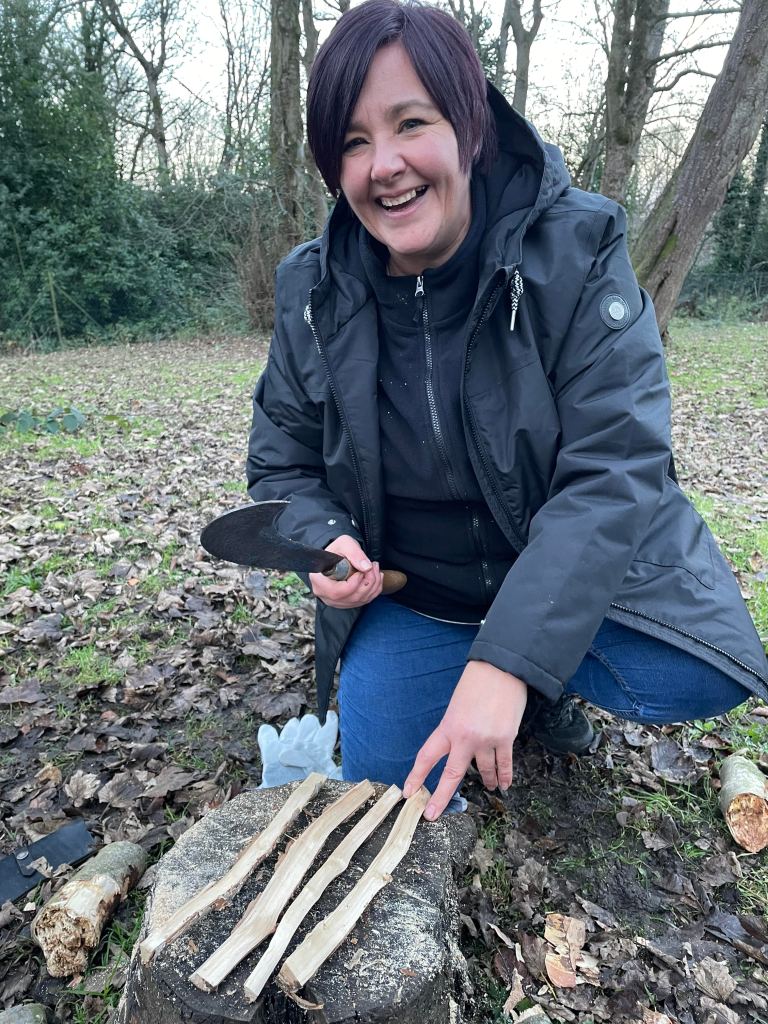
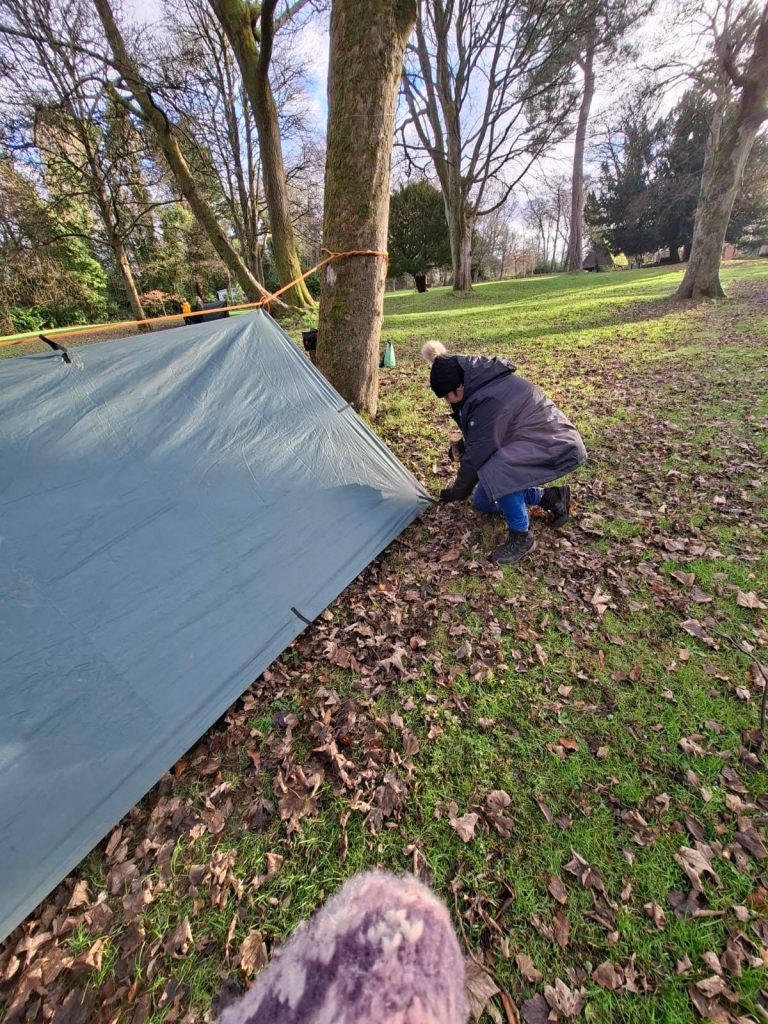
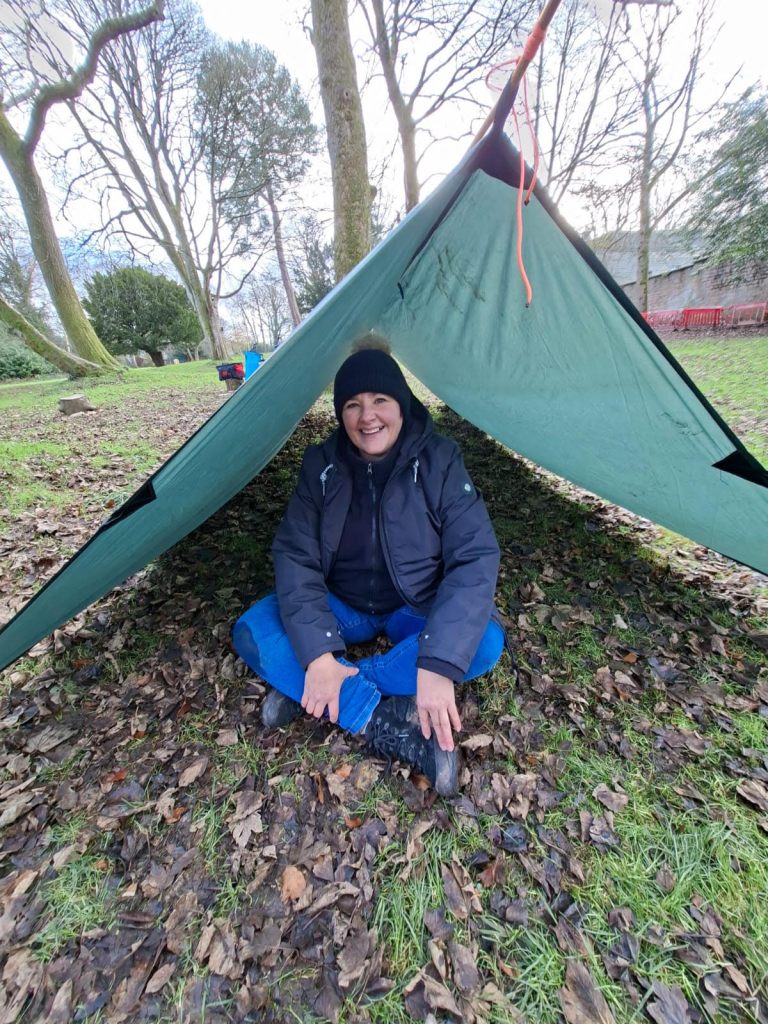
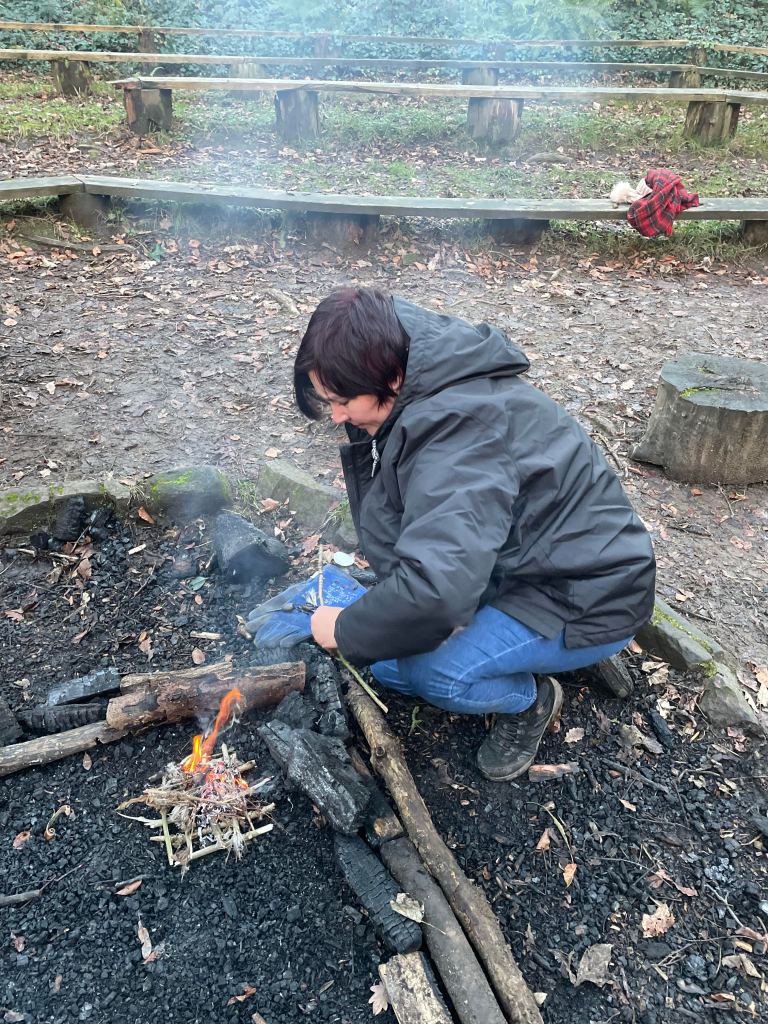
Careful observation is also an essential part of my role. Watching students throughout each session allows me to recognise developing skills, identify barriers to learning and adapt future sessions to meet individual needs. It has been amazing to see my own students’ development throughout the six-week assessment period. Seeing the changes in their confidence, willingness to explore and engagement with the natural environment has reinforced just how valuable regular Forest School sessions can be. These observations help me plan meaningful experiences that build on each student’s strengths while supporting areas for further development. I am really looking forward to offering a longer programme in the September term so that I can continue to nurture these skills and watch the students develop even further.
I also encourage students to explore and take appropriate, supported risks within the activities they are participating in. During my first six-week Forest School programme, many of my students were definitely outside their comfort zone at the beginning. This was completely understandable, as they were experiencing a new environment and unfamiliar activities. Before each activity, I ensured students understood how to use equipment safely, established clear boundaries and encouraged them to think about keeping themselves and others safe. Rather than removing all challenges, I supported students to assess situations for themselves, giving them opportunities to make decisions, solve practical problems and reflect on what had worked well. As the weeks progressed, it was wonderful to see how much more willing they became to have a go, support one another and embrace new experiences.
Forest School promotes far more than academic learning. Throughout the programme I have seen students develop their physical confidence through walking across uneven ground, carrying natural materials and exploring the woodland. Socially, they learn to cooperate, share ideas and solve problems together. Emotionally, they become more willing to persevere when things do not go to plan and develop greater self-belief through overcoming challenges. This was particularly noticeable with my own students during the six-week programme. At the beginning, I regularly heard comments such as, “Help, what am I supposed to do?” or “I don’t know what I’m supposed to do.” As the weeks progressed, those comments became less frequent as students grew in confidence, became more willing to have a go and trusted themselves to work things out before asking for help. Seeing this change was one of the highlights of the programme for me.
Although every session is carefully planned, I remain flexible and encourage student-led learning wherever possible. Some of the richest learning takes place when students discover something unexpected, such as finding animal tracks, observing insects, collecting interesting natural objects or experimenting with different ways to build a shelter. My role is to facilitate these opportunities by asking open-ended questions, encouraging investigation and allowing students the time to think, explore and make their own discoveries rather than providing all the answers.
Finally, I believe it is important to model respect for nature and sustainable practices. I encourage students to care for the woodland, respect wildlife and understand the importance of protecting the natural environment. Through regular experiences outdoors, students develop not only practical skills but also a sense of responsibility, belonging and connection with nature. This connection helps them develop an appreciation of the natural world that can stay with them throughout their lives.
Overall, the role of the Forest School programme leader is to create an environment where students feel safe, valued and motivated to learn. By building positive relationships, carefully observing each student’s progress and providing opportunities for exploration and discovery, I help students develop skills that extend far beyond the woodland and support their learning, wellbeing and personal development.


Leave a Reply