Personal Protective Equipment (PPE) is an important part of every Forest School session. Before each session I carry out a site risk assessment and think carefully about the activities we will be doing, the weather conditions and any hazards that may be present. The PPE needed changes throughout the year because each season brings different challenges. Choosing the correct PPE helps to keep both the students and adults safe while allowing everyone to enjoy the sessions.
Spring
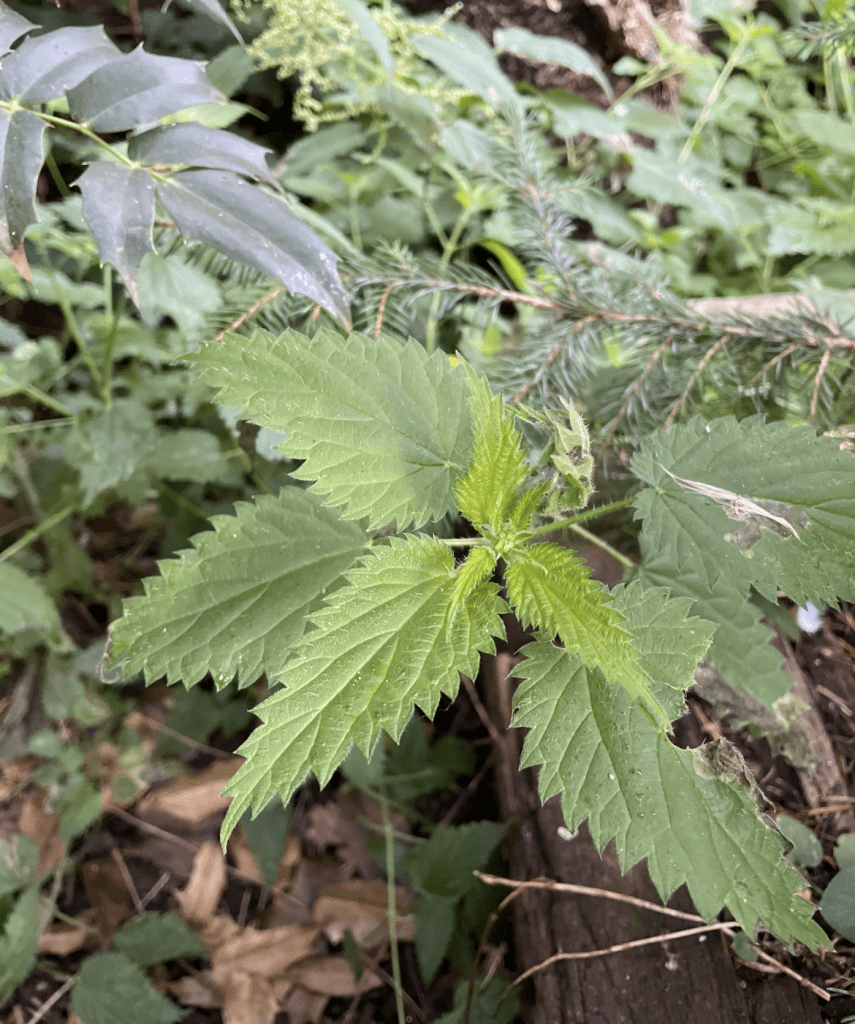
Spring is one of my favourite times of year in the woodland because everything starts coming back to life, but it also brings a lot of hazards. The ground is often wet and muddy after the winter months, making it easy to slip over, so everyone should wear waterproof walking boots or wellington boots with a good grip. Nettles, brambles and hawthorn begin to grow quickly, so I would encourage students and staff to wear long trousers and long-sleeved tops to protect their skin from scratches and stings. Watch out for the pesky bugs too!
Summer
Summer usually means drier ground and longer sessions outdoors, but it also brings different risks. Long grass can hide uneven ground, tree roots and fallen branches, while nettles, brambles and thistles continue to grow. Bees and wasps are much more active, so I always make staff aware of any students with allergies before the session begins.
Sturdy walking boots or wellington boots continue to be important for protecting feet, while lightweight long trousers help protect against scratches, insect bites and stinging plants.
And don’t forget about the sunscreen. We may be in the woodland with natural shade, but the sun can still sneak through. Ensure sun screen is applied before setting off and wear hats to protect faces from the sun.
Autumn
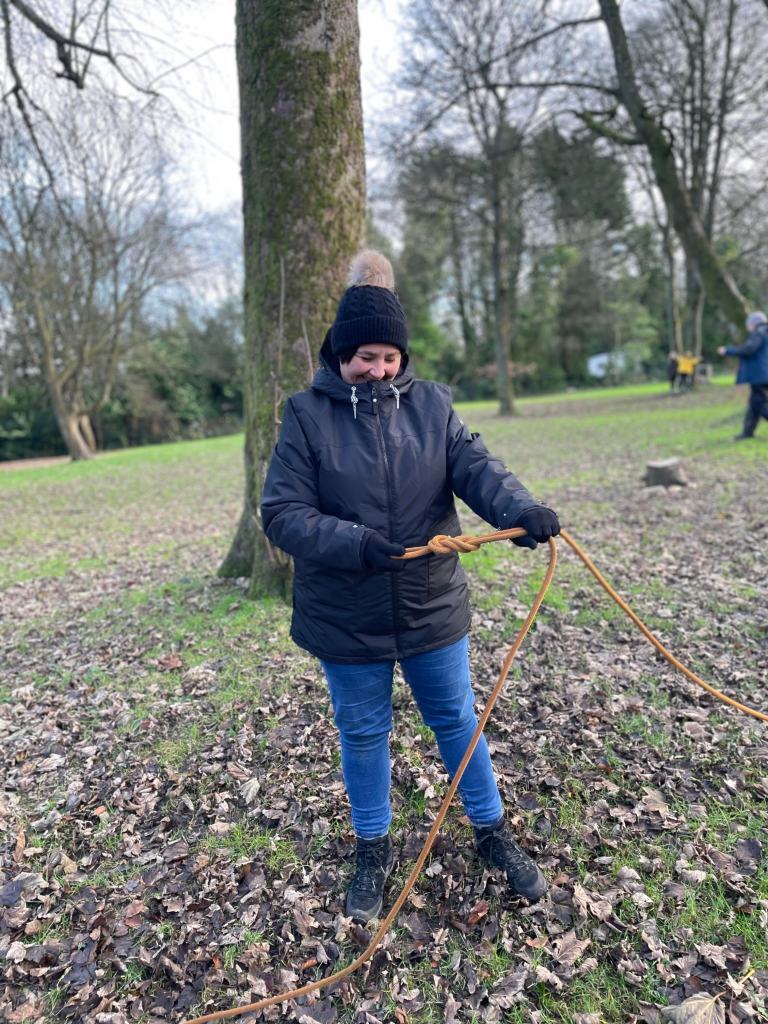
Autumn is a lovely season for Forest School because there are so many natural resources to explore, but it can also be one of the slipperiest times of the year. Fallen leaves often hide tree roots, holes and uneven ground, so waterproof boots with a good tread are essential.
The weather can change quickly during autumn, so waterproof clothing and warm layers are important. Layers can easily be removed if students become too warm while being active.
Winter
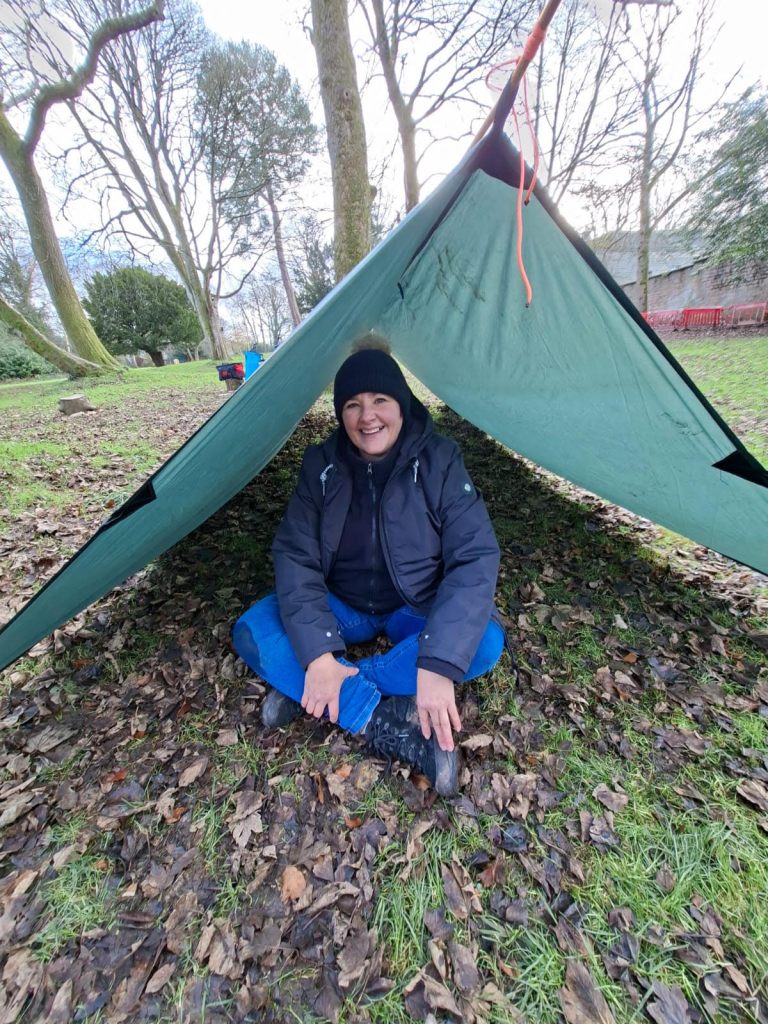
Winter can be the most challenging season because of the cold weather, ice and shorter daylight hours. Keeping everyone warm and dry is just as important as protecting them from physical injury. Students and staff should wear plenty of warm layers underneath their waterproof clothing so they can stay comfortable.
The ground can become frozen or icy, so waterproof boots with good grip are essential. Thermal socks, hats and waterproof gloves help to keep everyone warm.
PPE FOR SPECIFIC TASKS AT FOREST SCHOOL
As well as choosing PPE according to the season, I also need to think about the activities we will be carrying out. Different tasks present different hazards, so the PPE should always be suitable for the activity and identified through a site risk assessment before the session begins.
Coppicing
When coppicing, safety goggles should be worn to protect the eyes from flying wood chips and small pieces of debris. Gloves can be worn when collecting, carrying and stacking cut branches to protect hands from splinters and rough bark. Long hair (both students and supporting adults) should be tied back and loose clothing secured before starting work.
Clearing Nettles and Brambles
Strong gardening gloves should be worn to protect hands from nettle stings, thorns and scratches while clearing vegetation. If loppers or other cutting tools are being used, safety goggles could also be worn to protect the eyes from any flying debris.
Sawing Logs
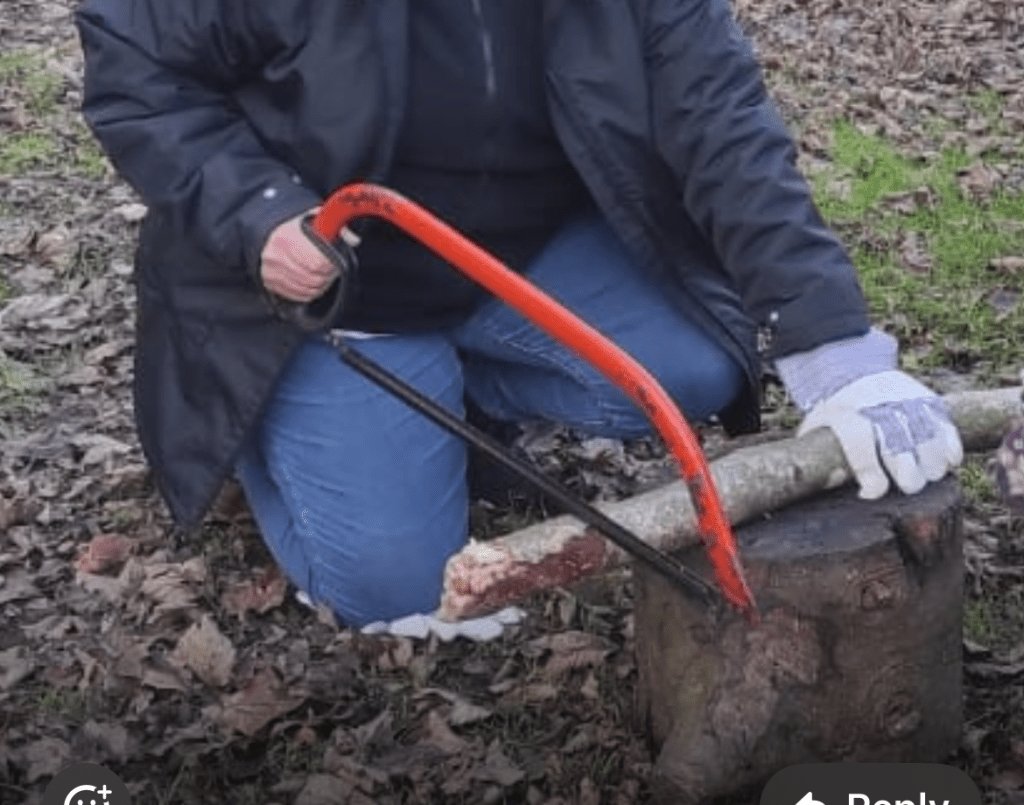
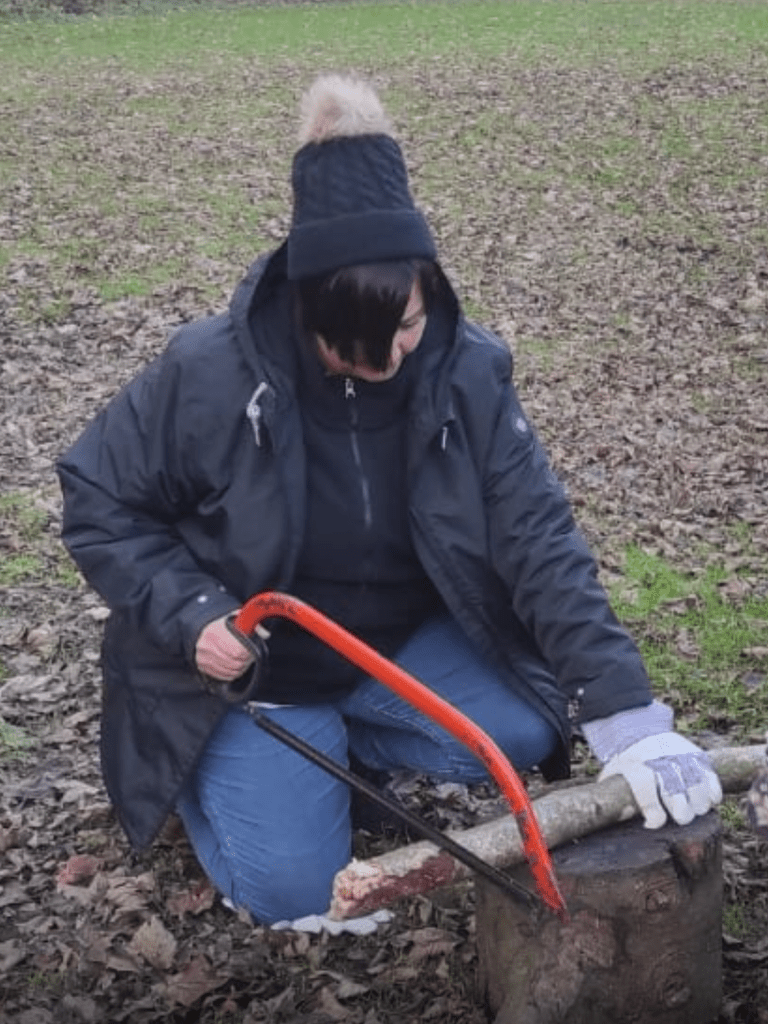
Gloves should be worn when carrying logs to reduce the risk of splinters, but they should only be worn on the ‘helper hand’ whilst using a bow saw as it is important to maintain a safe, secure grip on the tool. Again, long hair should be tied back before using any cutting tool.
Fire Lighting and Management
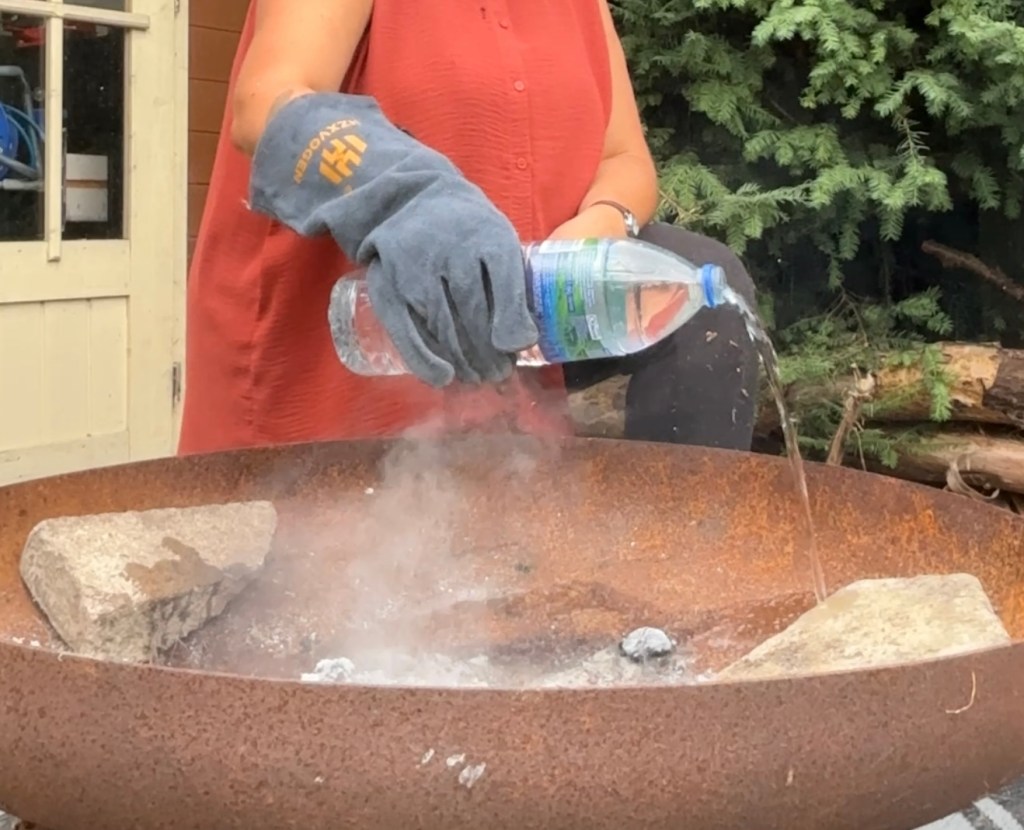
Heat-resistant gloves are useful when adding logs to the fire or adjusting hot cooking equipment. Fire tongs should be used when moving burning logs or hot materials within the fire. Long hair should again, be tied back, and everyone should follow the Forest School fire safety rules when working around the fire.
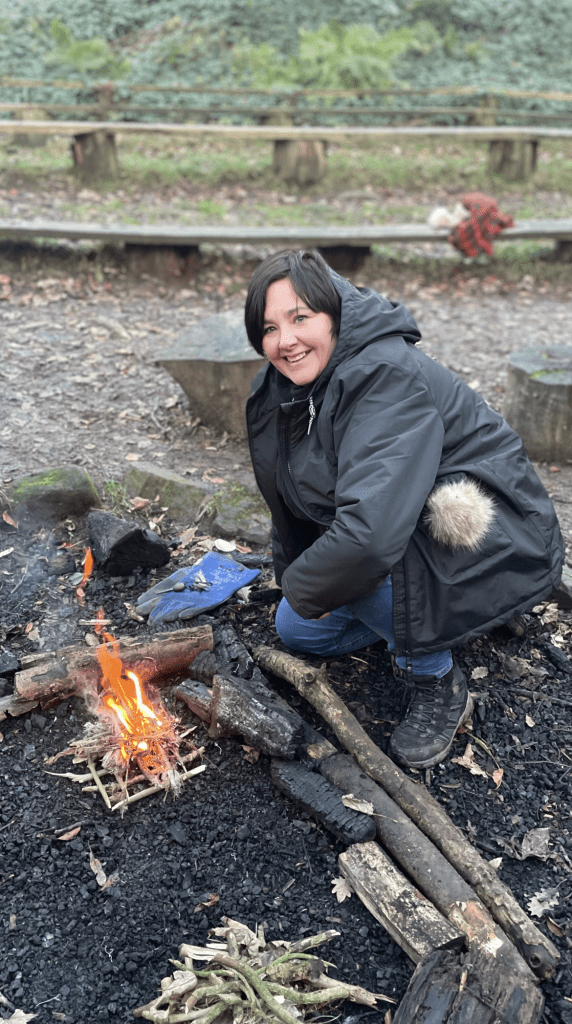
Cooking on the Fire
Heat-resistant gloves should be worn by adults when moving kettles, cooking pots, grills or other hot equipment. Long-handled utensils can also be used to reduce the risk of burns when cooking over the fire. Long hair should be tied back and loose clothing secured before approaching the fire.
The additional PPE used at Forest School will depend on the activity being carried out. By identifying the hazards before each session, I can ensure that the correct PPE is available and used appropriately. This helps to reduce the risk of injury while allowing students to take part safely and confidently in practical Forest School activities.


Leave a Reply