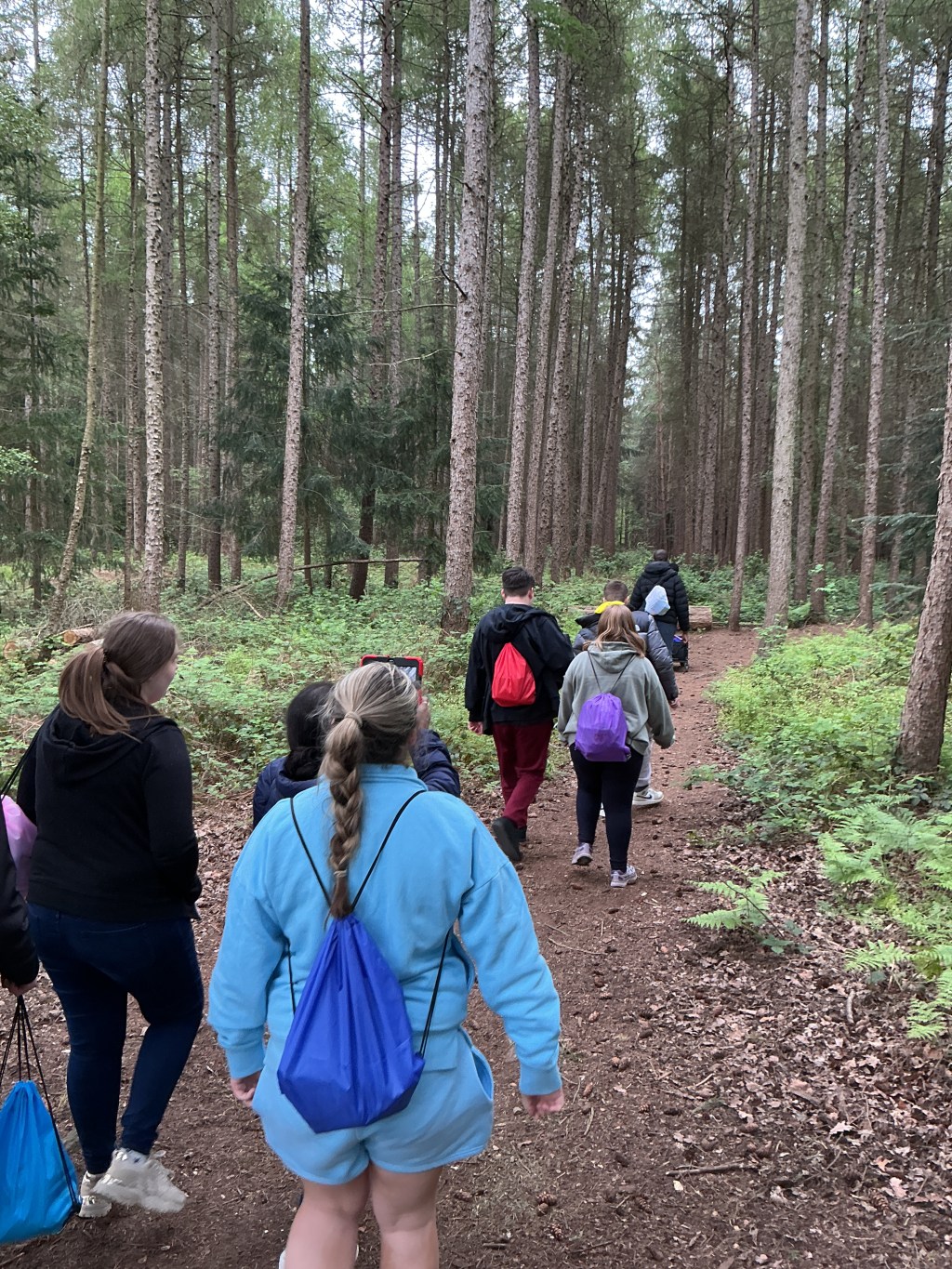
Appropriate risk taking is a key principle of Forest School. Rather than removing all risks, Forest School provides opportunities for students to experience challenge within a safe and supportive environment. This is particularly important for students with Special Educational Needs (SEN), as it allows them to develop independence, confidence and self-belief through real-life experiences. Students in a SEN setting tend to have higher levels of both scaffolding and support staff, Forest school takes this back a little.
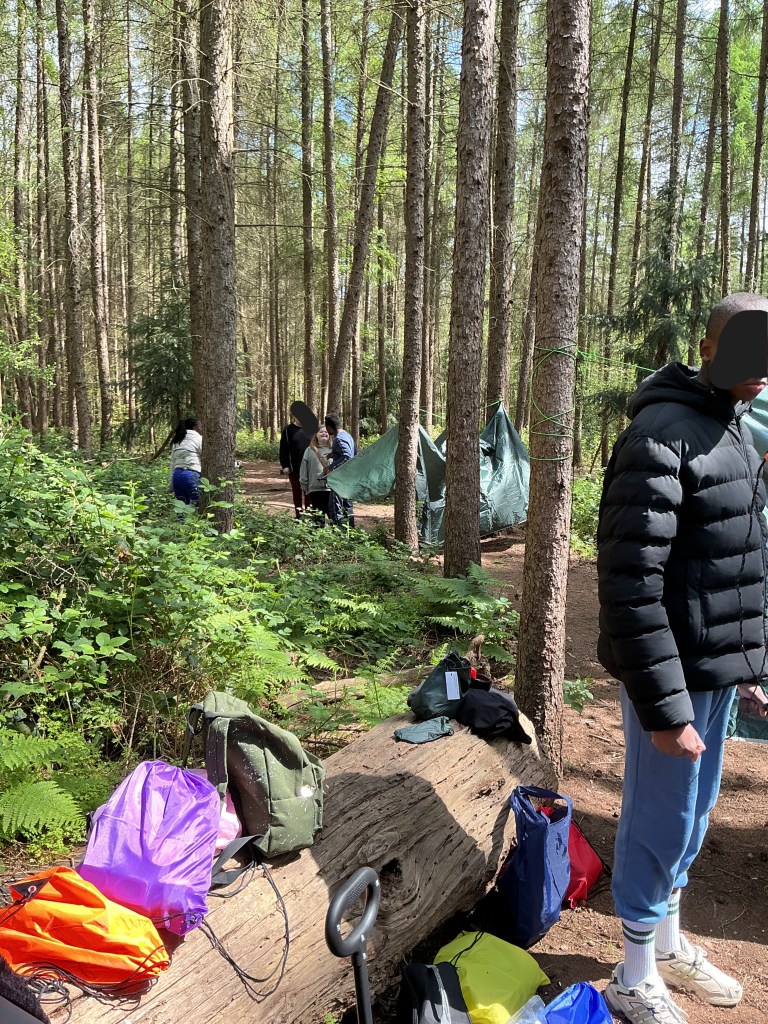
In Forest School, students are encouraged to assess and manage risks appropriate to their individual abilities. Activities such as exploring, climbing and building shelters (in the initial 6 weeks baselining) and then later in the programme, using hand tools, building and lighting fires and cooking, provide meaningful opportunities for students to challenge themselves. Forest School leaders carry out thorough risk-benefit assessments and adapt activities to ensure they are accessible and appropriate for each student’s needs.
For SEN students, appropriate risk taking can have a significant impact on learning and development. Many of my students experience anxiety, low confidence or a reliance on adult support. Through carefully managed risk-taking opportunities, they learn that they can achieve tasks independently and safely. For example, a student who is initially hesitant to cross a fallen log may gradually build the confidence to do so, developing trust in their own abilities.
Appropriate risk taking also supports physical development. Navigating uneven ground, climbing, digging and using tools helps students develop balance, coordination, strength and fine motor skills. These practical experiences often provide more meaningful learning opportunities than those available in a traditional classroom environment.
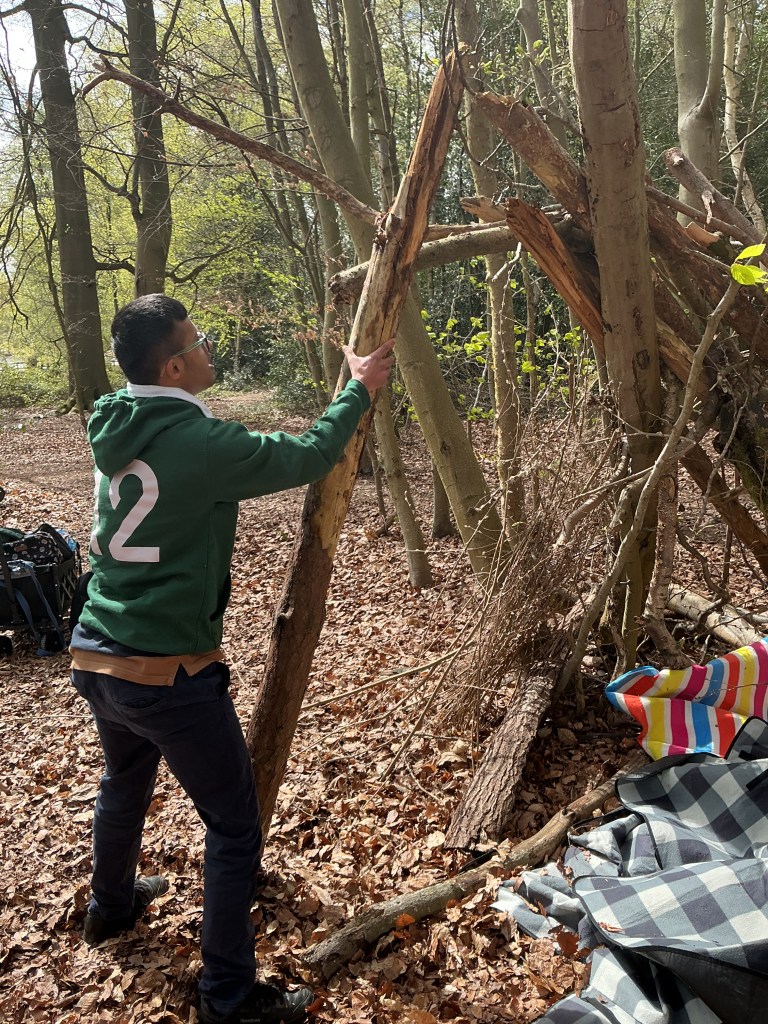
Emotionally, students develop resilience, perseverance and self-regulation. Forest School encourages students to try new things, make mistakes and learn from them. Successes, however small, help to build self-esteem and a sense of achievement. For SEN students, who may often experience many more barriers to learning, these positive experiences can be particularly valuable.
Risk-taking activities also promote cognitive development by encouraging problem-solving, decision-making and critical thinking. Students must assess situations, consider potential hazards and decide how best to approach a task. .This develops their ability to make informed choices and become more independent learners. In a SEN setting, students can become over reliant on support staff and ask for help before trying for themselves. This area was a learning curve for both my students and my support staff – to step back further than they have done before. With my students, this is a fine balancing act as push them too far and they can disregulate and disengage.
Socially, many Forest School activities require communication and cooperation. Students work together to build shelters, transport resources or solve practical challenges, helping them develop teamwork, turn-taking and communication skills. This area was particularly interesting for me as it surprised me the groupings that the students decided to put themselves in and leaders stepped forward that I would never had predicted.
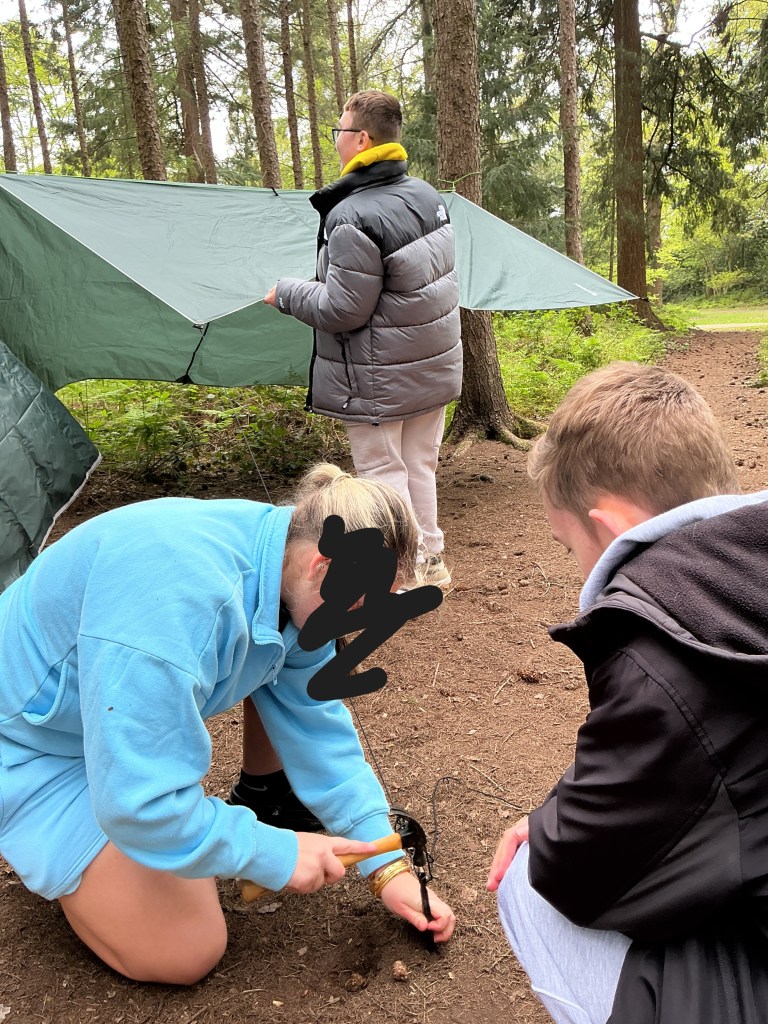
Overall, Forest School promotes appropriate risk taking by allowing students to experience challenge within a supportive environment.





Leave a Reply