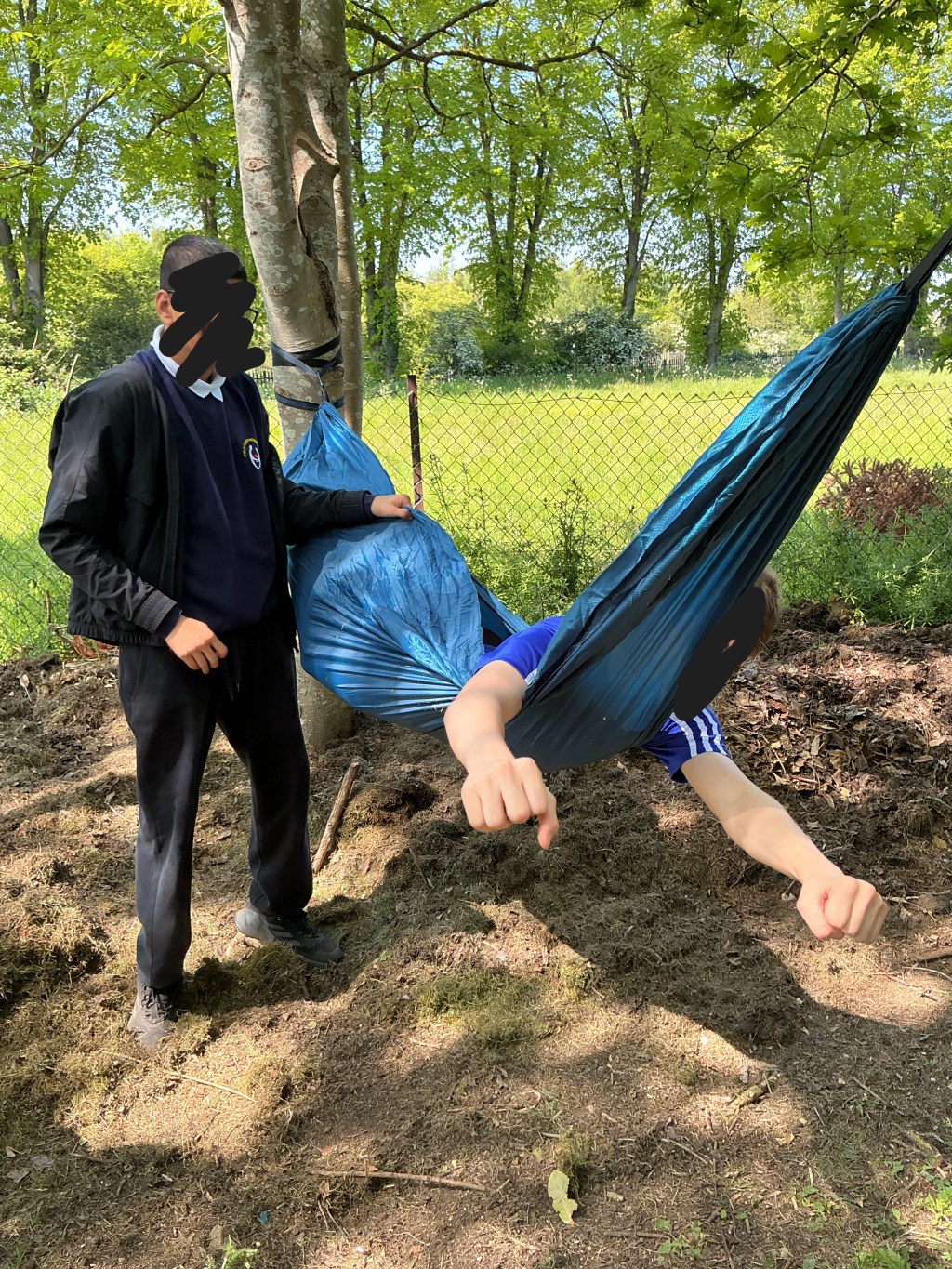
Play is at the heart of Forest School. It provides students with opportunities to explore, discover, experiment and learn in a way that feels natural and enjoyable. Unlike many classroom-based activities, play is often led by the student’s own interests, allowing them to take ownership of their learning and development.
One of the key principles of play is that it is freely chosen. Students decide what they would like to do and how they would like to engage with an activity. This is particularly important for the students I work with, as many are used to highly structured routines and adult-led activities. During Forest School, they have the opportunity to make their own choices, whether that is exploring the woodland, collecting natural materials, building a den, creating artwork or simply spending time observing their surroundings. I have found that giving students this freedom often leads to higher levels of engagement and enjoyment.
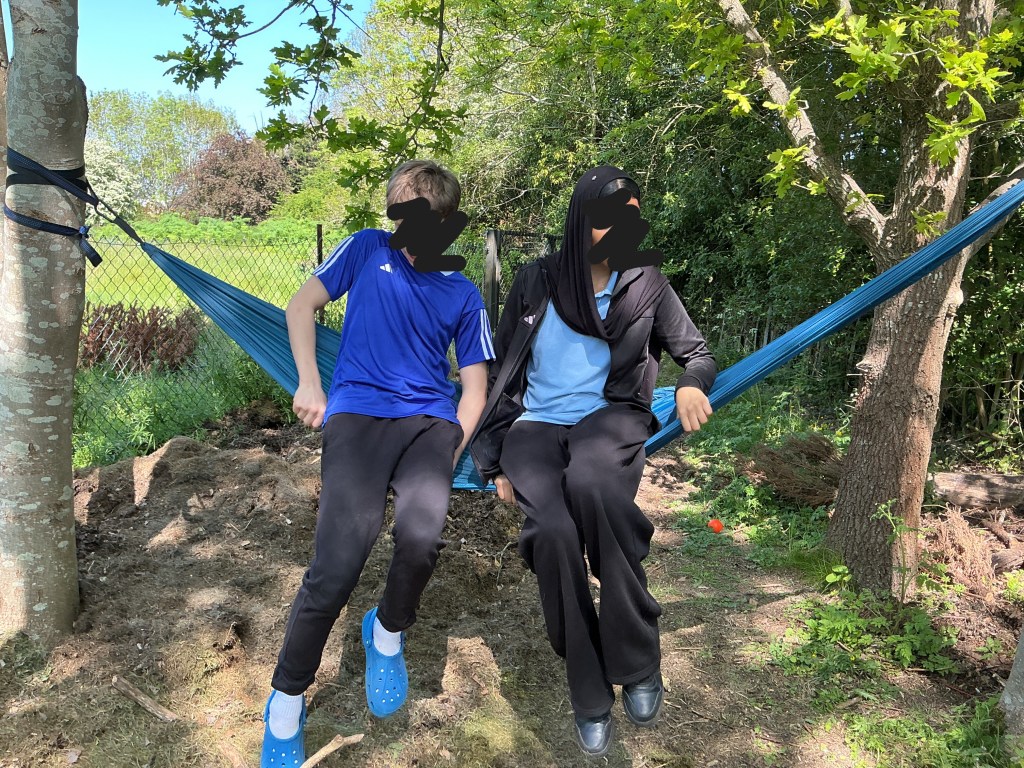
Another important principle is that play is personally directed. Students can develop activities in their own way and at their own pace. In Forest School there is no expectation that every student will achieve the same outcome. For example, one student may spend an entire session transporting sticks around the site, whilst another may use those same sticks to build a shelter. Both students are learning through their chosen activity. This approach is particularly relevant for SEN students as it allows them to access learning at a level that is meaningful to them.
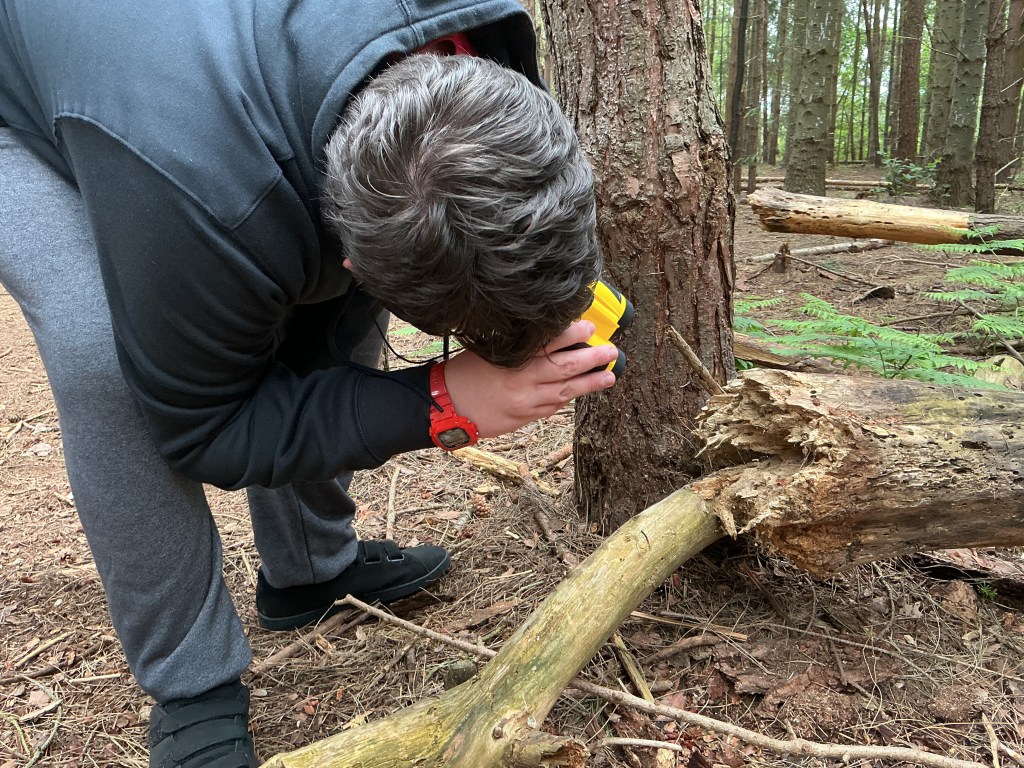
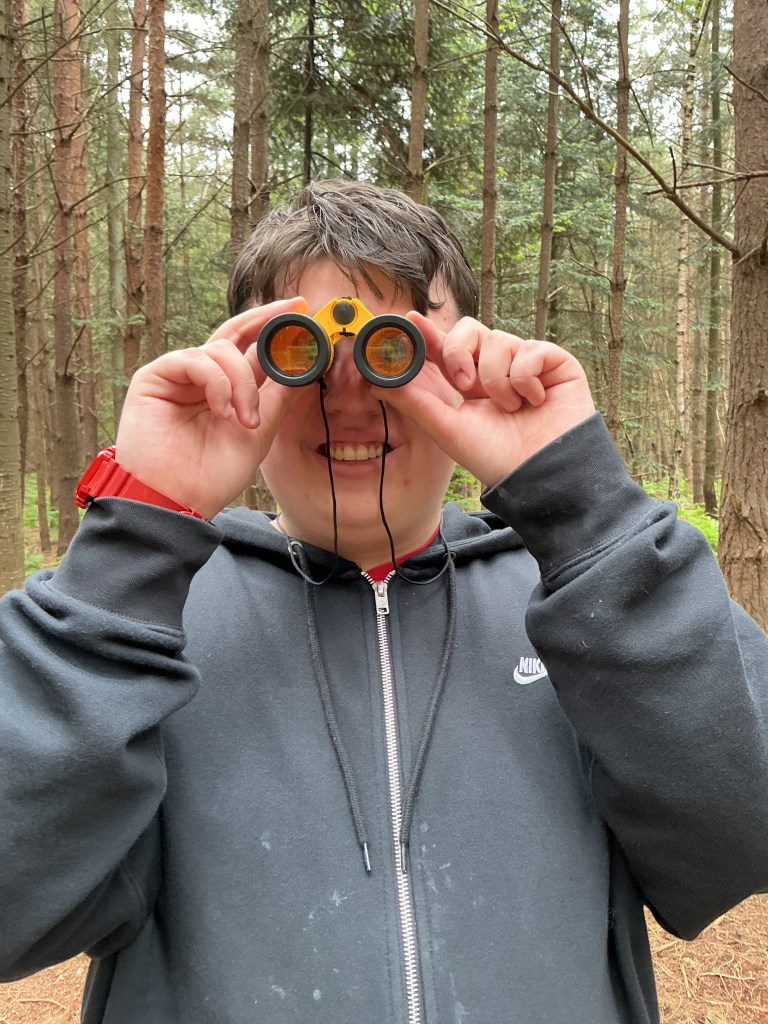
Forest School also provides opportunities for many different types of play. Exploratory play is one of the most common forms that I observe. Students investigate the woodland environment, examine natural objects, search for minibeasts, listen to sounds and explore different textures. For some of my students, simply spending time investigating a stick, leaf or pinecone can be a valuable learning experience.
Creative play regularly takes place through den building, creating artwork from natural materials and using imagination to create stories and games. Symbolic play can also be seen when students use natural objects to represent something else, such as using pinecones as people, animals or items in a game.
Social and communication play are important aspects of Forest School. Students learn to work alongside one another, share resources, solve problems together and communicate their ideas. Many of my students find social interaction challenging, but shared activities such as shelter building or team games often encourage communication in a natural and meaningful way.
Role-play, dramatic play and fantasy play are also encouraged within Forest School. Students often create imaginative worlds, act out stories or take on different roles within their games. Because the woodland environment is less structured than a classroom, it provides endless opportunities for imagination and creativity.
Physical forms of play are particularly evident outdoors. Locomotor play takes place through running, climbing, balancing and navigating uneven ground. Rough and tumble play may occur through chasing games and energetic activities, helping students develop physical confidence whilst learning boundaries and self-control.
Another key principle of play is that it allows children and young people to test boundaries and take appropriate risks. Forest School provides a unique environment where students can assess risk in a supported way. Deep play, where students challenge themselves and overcome fears, is often seen when students conquer worries about heights, mud, insects or trying something new.
Mastery play is also highly relevant within Forest School. Students often change and manipulate their environment by digging, building shelters, moving logs or creating structures. Through these experiences they develop problem-solving skills, perseverance and a sense of achievement.
Play also supports holistic development. Through play, students can develop physical skills, communication skills, social interaction, emotional regulation and problem-solving abilities. I have seen students who struggle to communicate verbally work alongside their peers during practical tasks, and students who are often anxious in the classroom become calm and engaged when exploring the woodland environment.
The relevance of play within Forest School is therefore extremely important. The Forest School ethos is based on student-centred learning, exploration and developing a connection with the natural world. The woodland environment naturally supports a wide range of play opportunities that may not be available in a traditional classroom. Through play, students develop confidence, independence, resilience and self-esteem whilst engaging with the natural environment.
In conclusion, the key principles of play are highly relevant to Forest School because they promote independence, creativity, resilience and holistic development. Forest School supports many different types of play, allowing students to learn in ways that suit their individual interests, abilities and needs. For the SEN students I work with, play provides opportunities to develop confidence, communication, problem-solving and social skills in a way that is enjoyable, meaningful and motivating.

 Forest Footsteps
Leave a comment