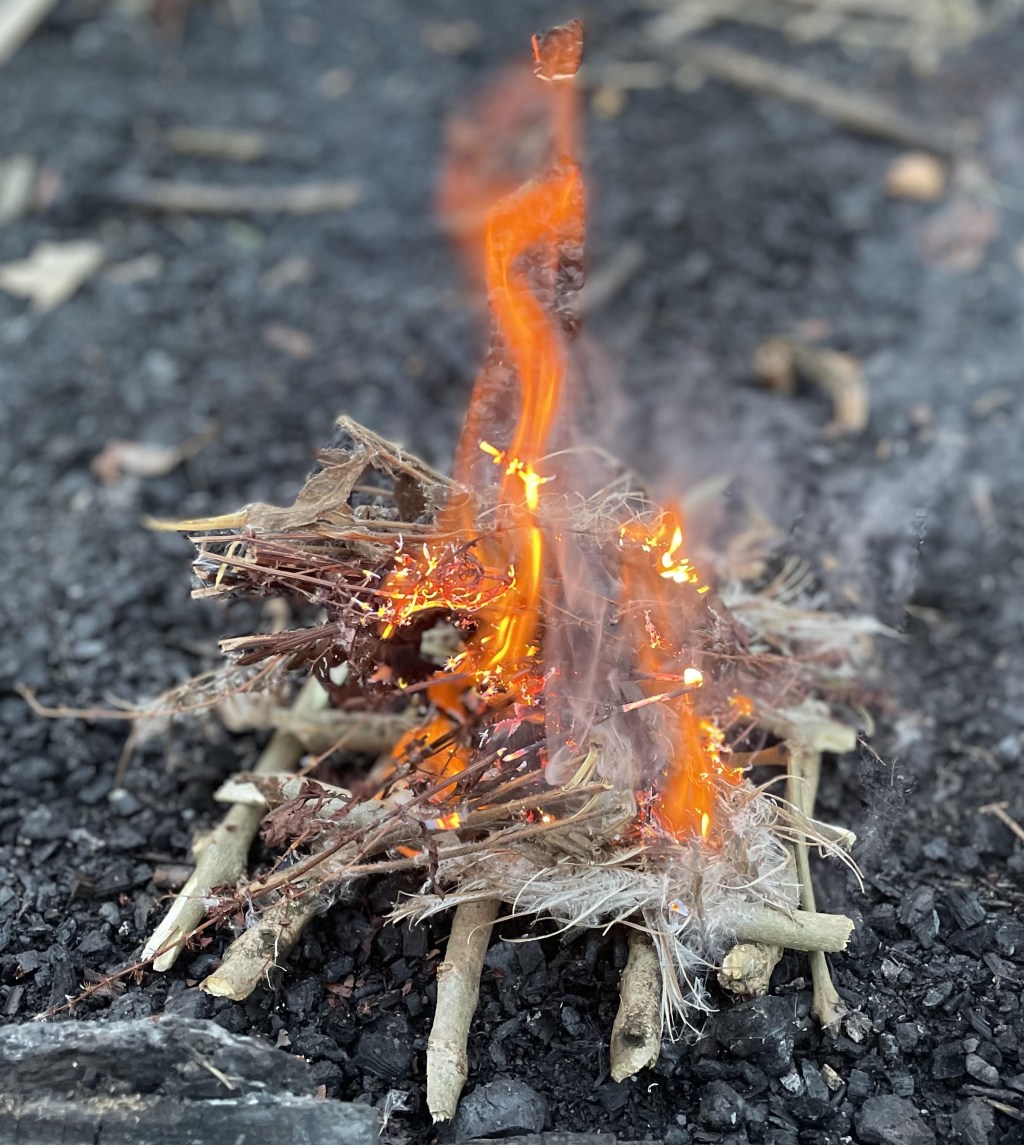
Factors affecting the selection of a site for a fire
Bedrock and Soil Types
The type of ground beneath a campfire is an important consideration when selecting a safe fire site. The aim is to protect both the environment and the people using the fire.
A fire should ideally be positioned on firm mineral soil, where there is little risk of heat spreading underground. Areas with deep peat or organic soils should always be avoided because peat can smoulder beneath the surface for long periods without being seen. This hidden fire can spread underground and reappear some distance away, making it extremely dangerous and difficult to extinguish.
Very dry leaf litter and areas covered in dead vegetation should also be cleared away before a fire is lit. Exposing the mineral soil beneath reduces the risk of the fire spreading.
Bedrock should also be considered. Fires should not be built directly on large rocks, particularly damp rocks or those that have absorbed moisture, as the heat can cause them to crack or even explode when trapped moisture expands. This creates a risk of injury from flying fragments.
Wind Direction
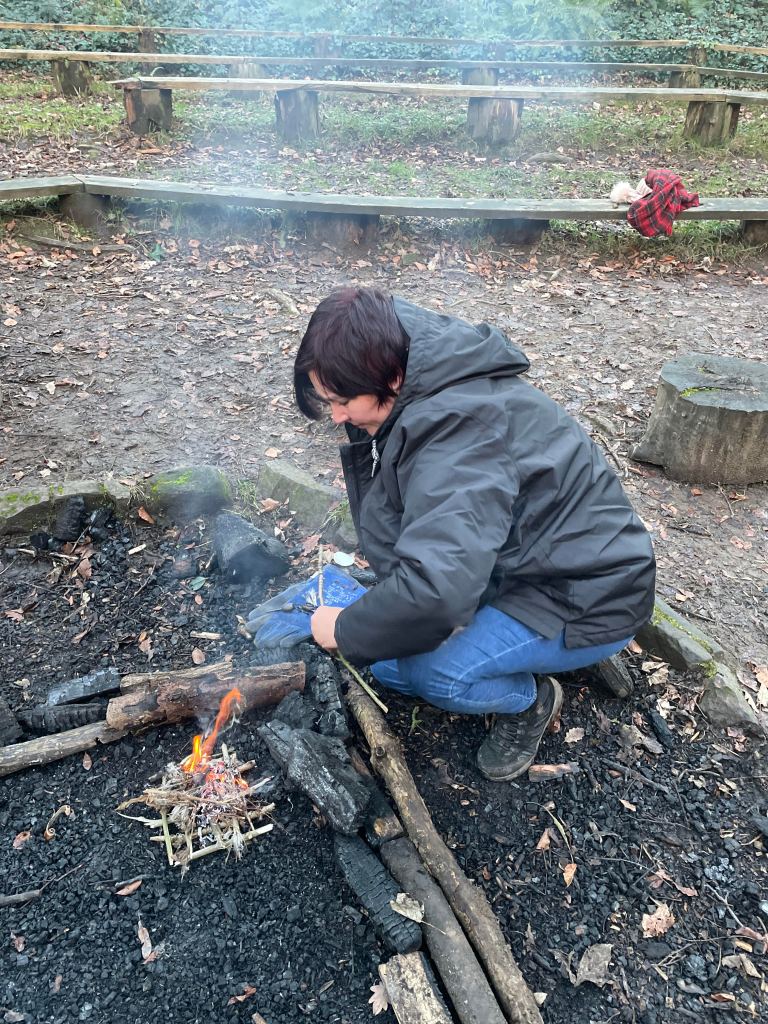
Wind direction is an important factor when selecting a site for a campfire. The fire should be positioned so that smoke is carried away from the group, reducing the risk of smoke inhalation, eye irritation and discomfort. Strong winds can also increase the risk of sparks and embers being blown into surrounding vegetation, potentially causing an uncontrolled fire.
Before lighting a fire, the weather conditions and wind direction should always be checked. If the wind is too strong or unpredictable, the fire should not be lit. The fire should be located in a sheltered area where the wind is less likely to affect the flames, while still allowing enough airflow for the fire to burn safely. It is also important to avoid creating a fire beneath overhanging branches, as heat, flames or sparks could damage the trees or create an additional fire risk.
Health and Safety of the Group
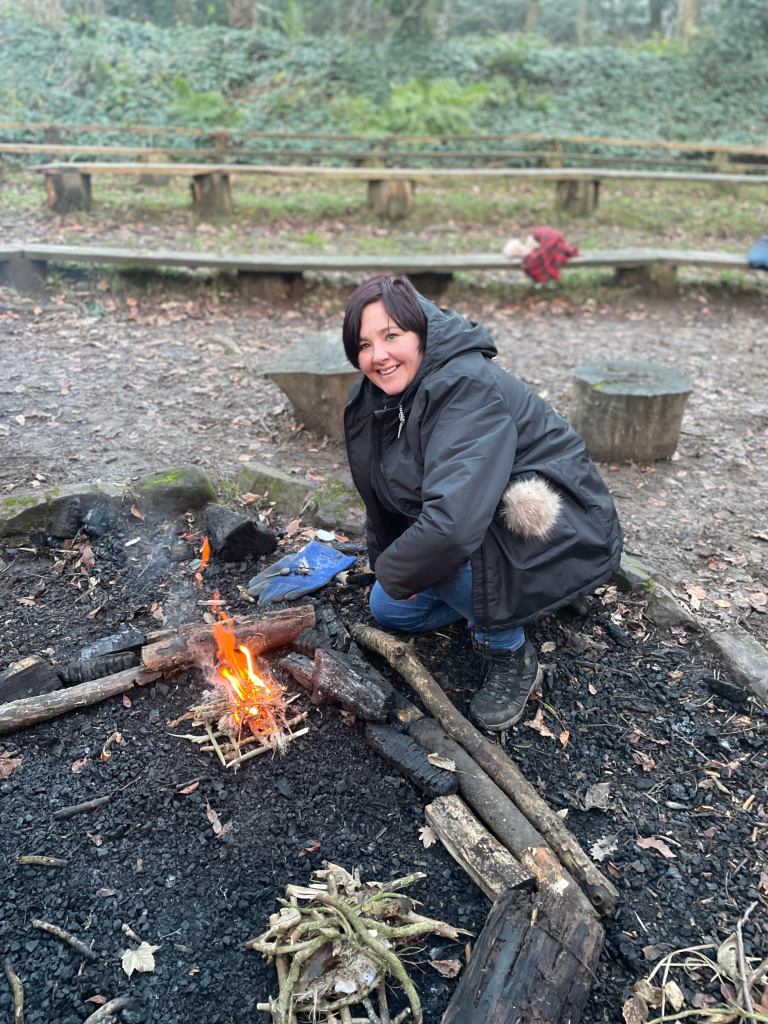
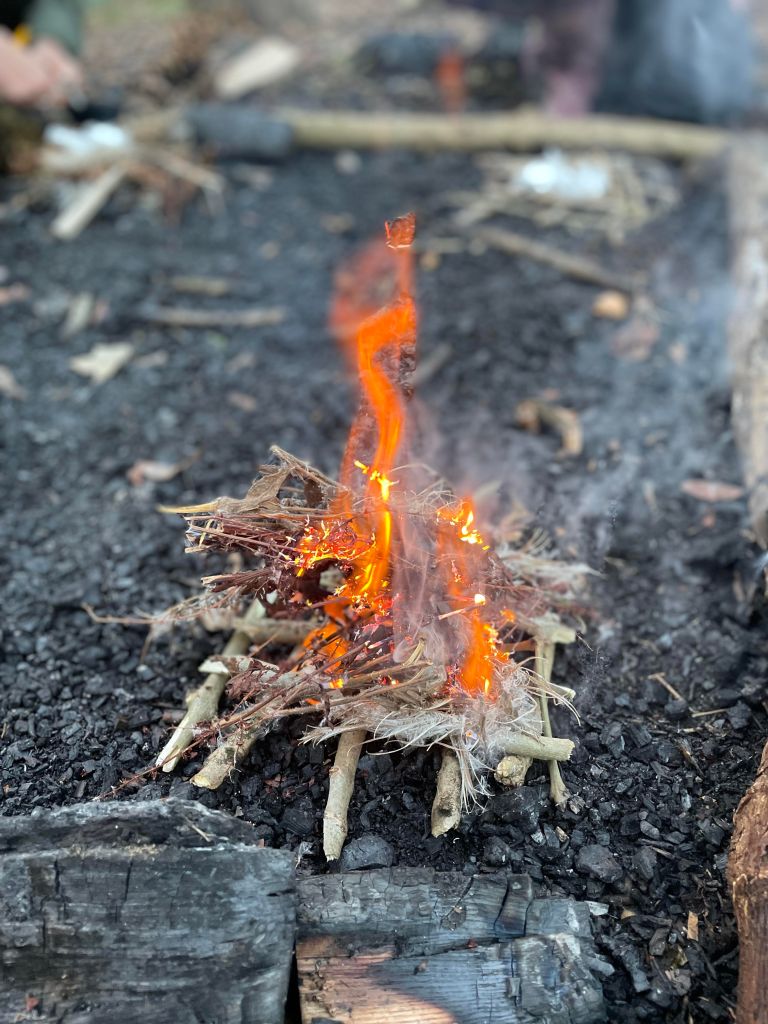
The health and safety of the group should always be the highest priority when selecting a site for a campfire. The fire should be positioned in an open area with enough space for everyone to sit safely around it while maintaining a safe distance from the flames. There should be clear access to and from the fire circle so that students and adults can move safely without tripping over roots, uneven ground or equipment.
The surrounding area should be free from unnecessary hazards such as low branches, overhanging vegetation, deadwood that could fall, or flammable materials. A designated fire circle should be established, with clear boundaries that everyone understands before the fire is lit.
The needs of the group should also be considered. Students should be supervised at all times, and any additional needs, mobility difficulties or sensory sensitivities should be taken into account when deciding where individuals will sit. A first aid kit, burns kit, fire safe gloves and water should always be readily available before lighting the fire. Careful planning and ongoing supervision help to ensure that the fire remains a safe and enjoyable learning experience for everyone.
Other Factors
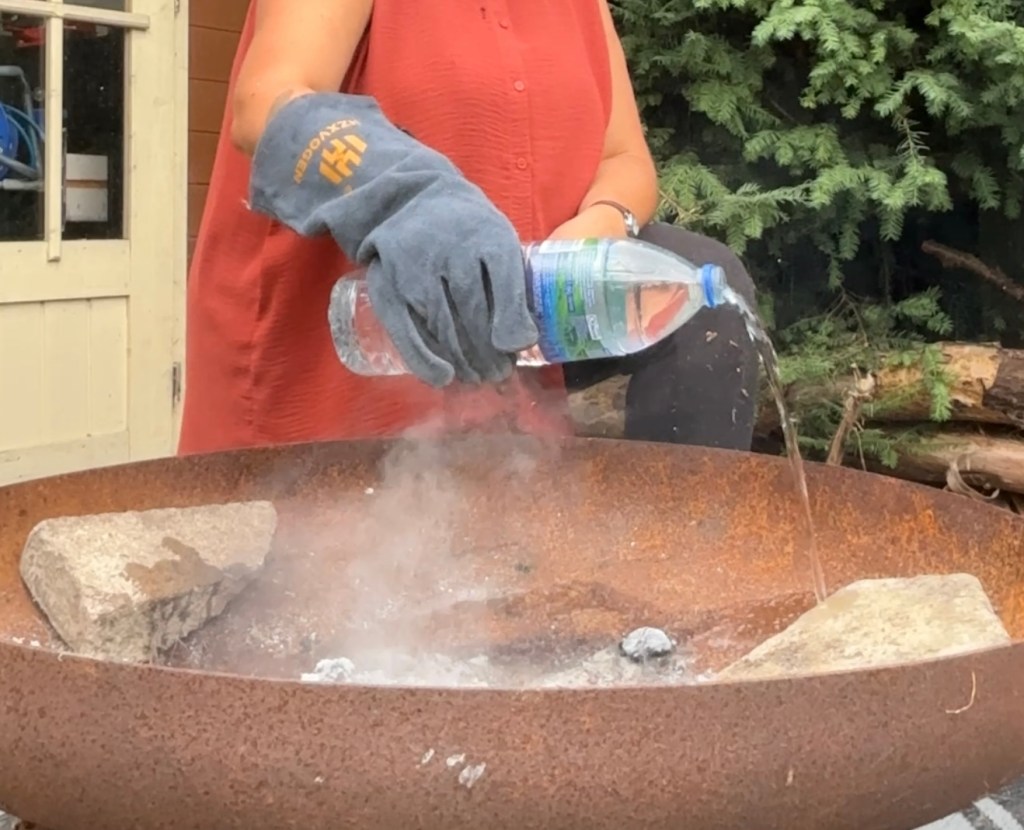
Several other factors should be considered when selecting a site for a campfire. Water should be readily available to help extinguish the fire if required and to cool the fire area once the session has finished. A fire blanket should also be kept close by in case of an emergency.
The size of the fire should be appropriate for the activity being carried out. At Forest School, a small, well-managed fire is usually sufficient for warmth, cooking or educational activities. Larger fires use more fuel, produce more sparks and smoke, and are more difficult to control, increasing the level of risk.
The location should also provide enough space for the group to sit safely around the fire while allowing adults to supervise all students effectively. The fire should be positioned well away from tents, shelters, equipment stores and any overhanging branches or flammable materials. Consideration should also be given to the surrounding wildlife and habitat to minimise environmental impact. By carefully considering these factors before lighting a fire, the risks can be reduced while creating a safe and enjoyable Forest School experience.




Leave a Reply