Field Layer (Plants)
Stinging Nettle (Urtica dioica) – Serrated leaves with stinging hairs.
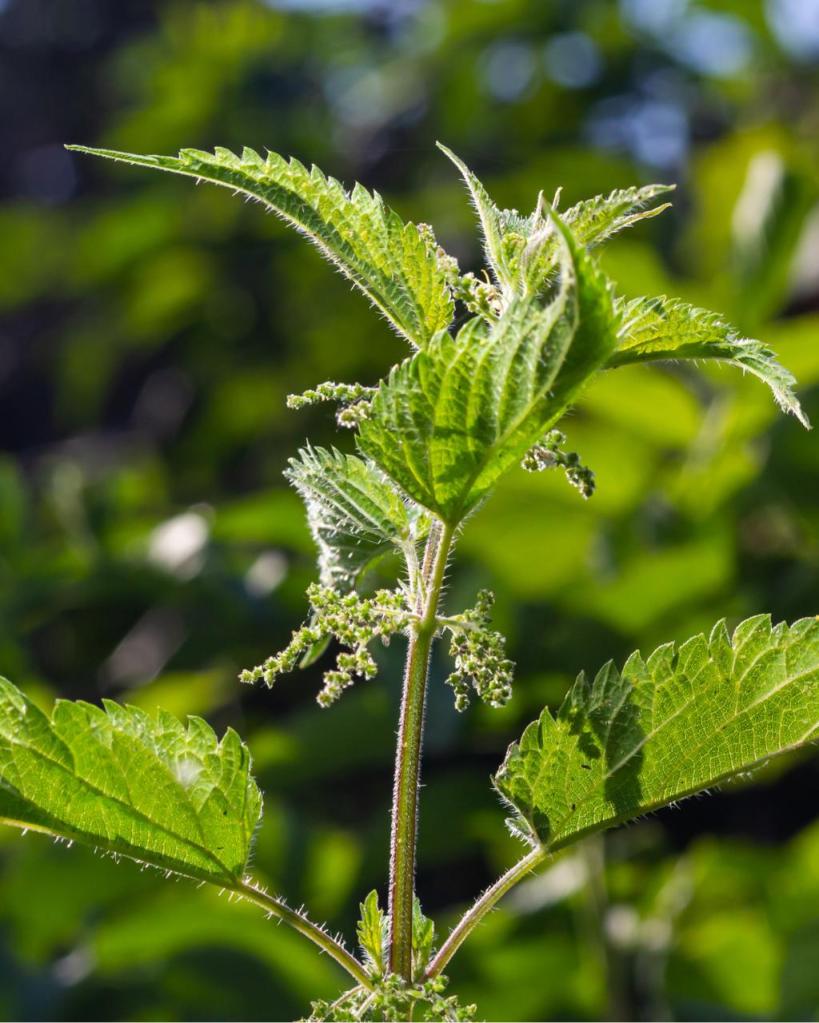
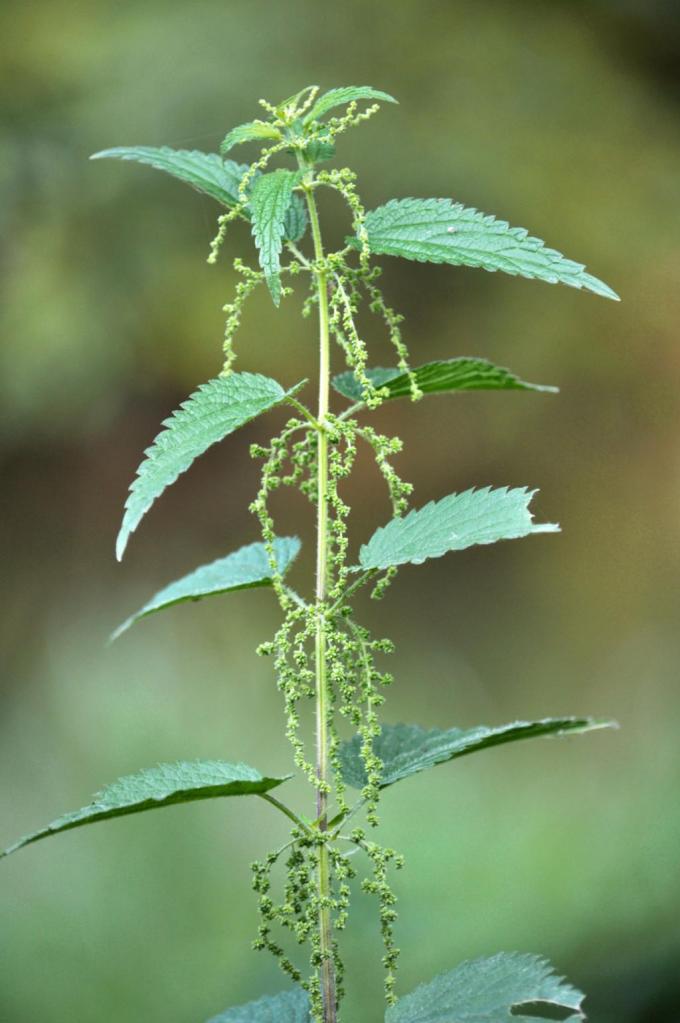
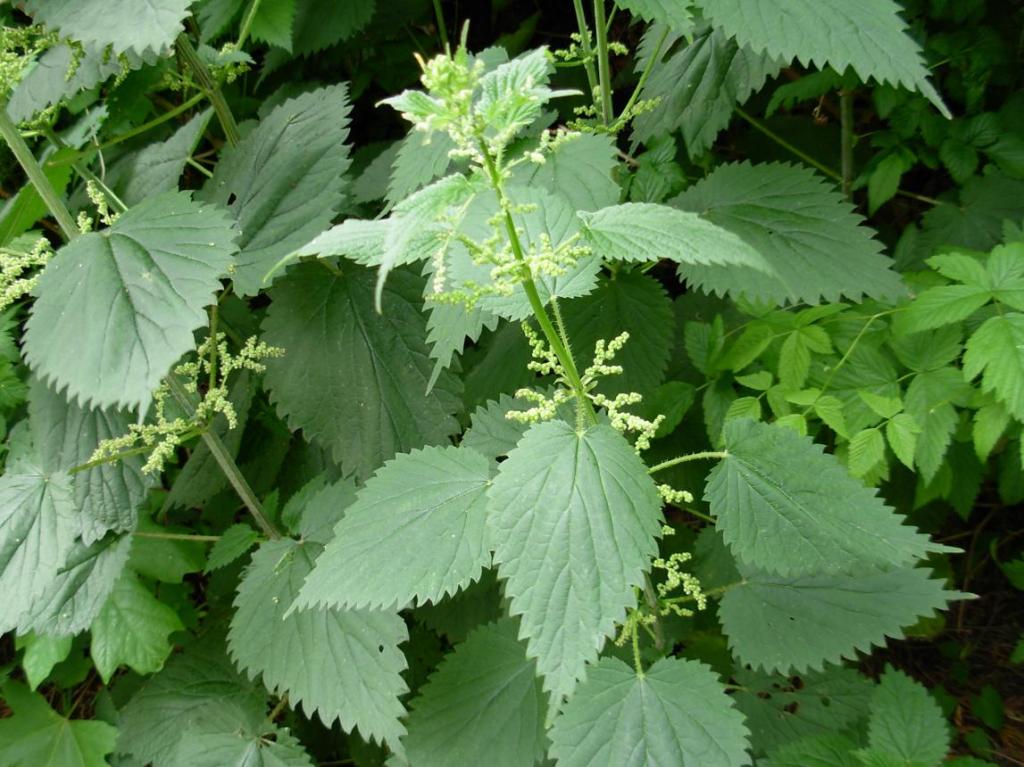
Value: Supports butterflies and teaches respect for nature. Risk: Causes painful stings.
Bramble (Rubus fruticosus) – Thorny stems with blackberries.
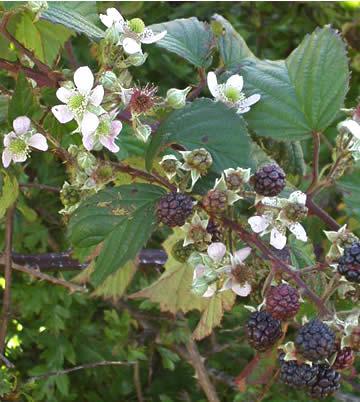
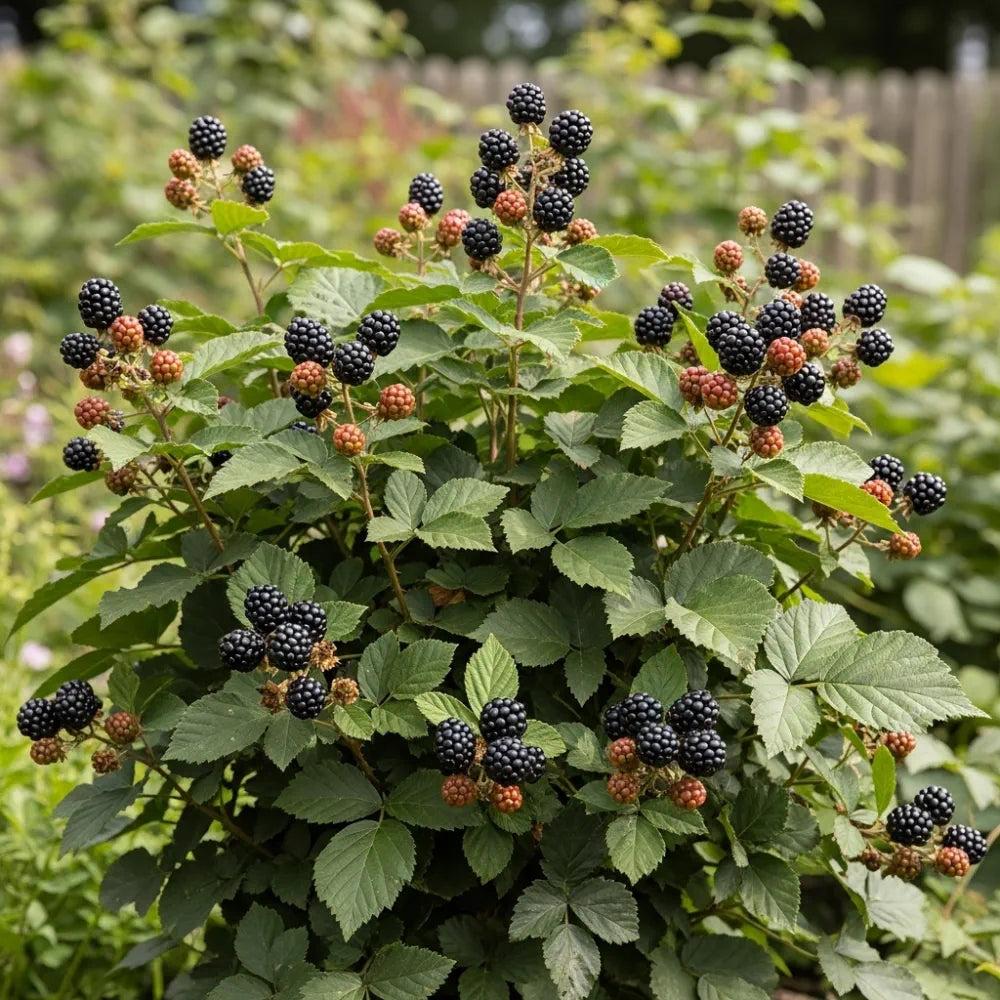
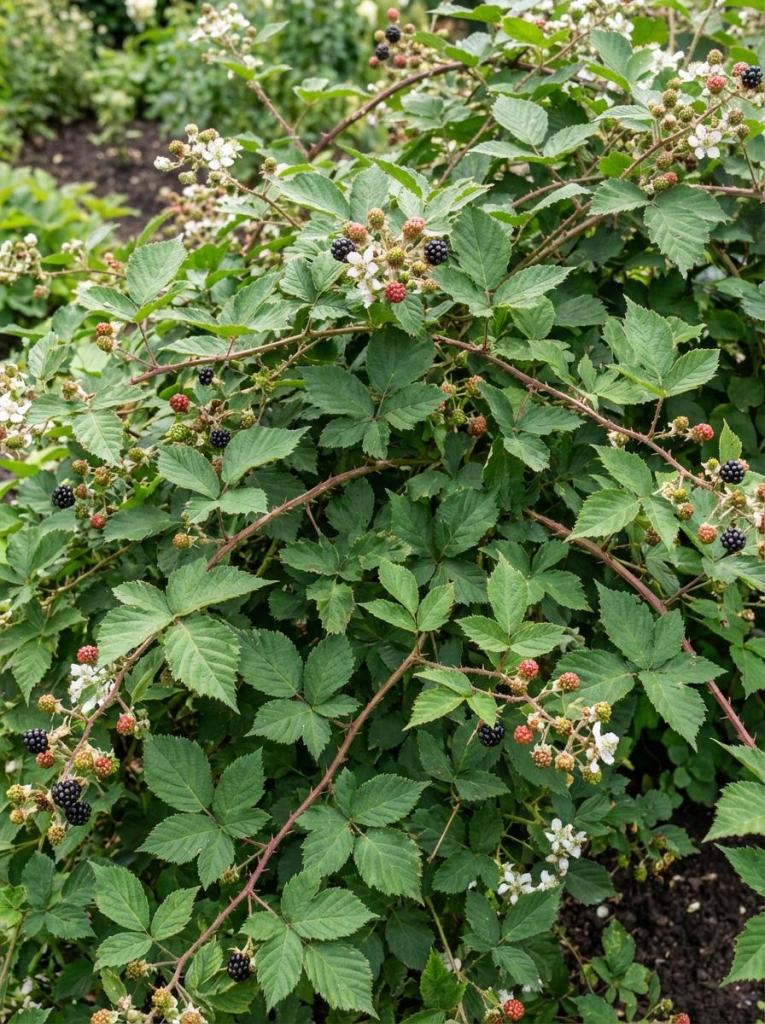
Value: Seasonal foraging discussions and wildlife habitat. Risk: Thorns can scratch skin. |
Burdock (Arctium minus) – Large heart-shaped leaves and purple flowers that develop into hooked burrs.
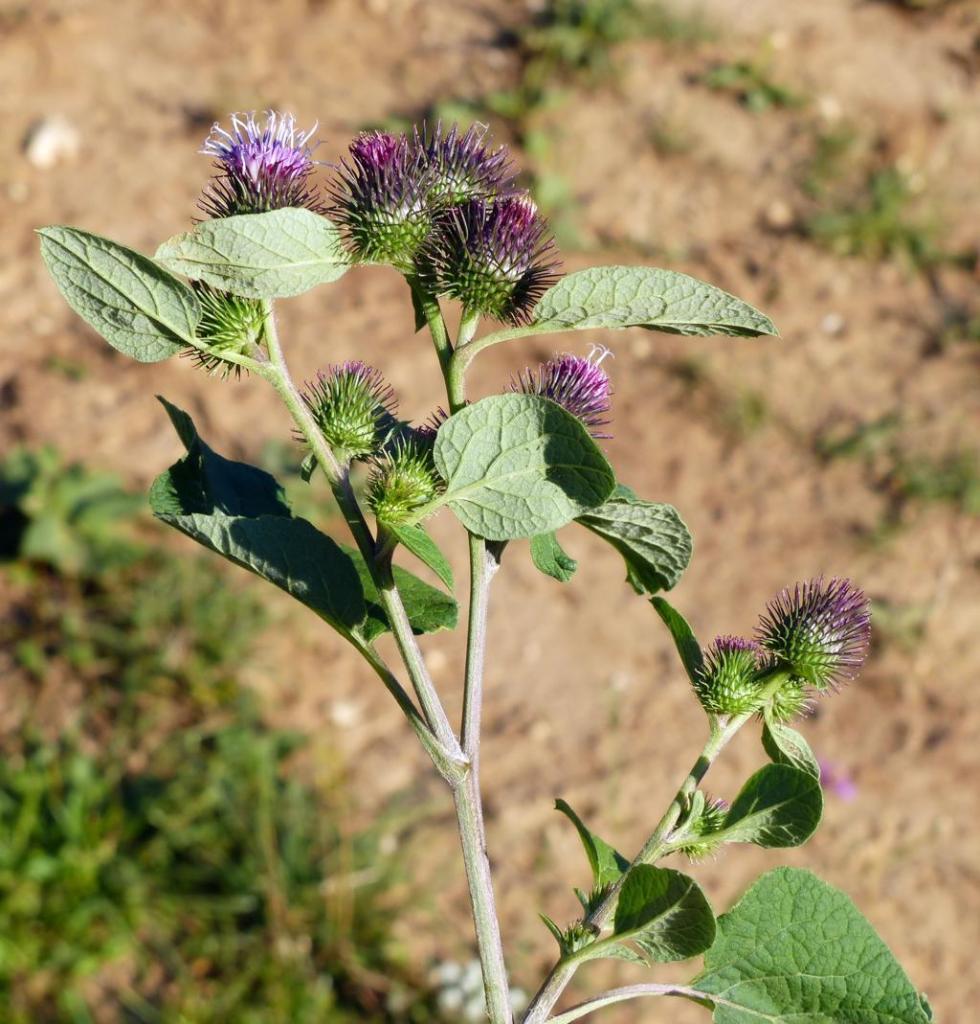
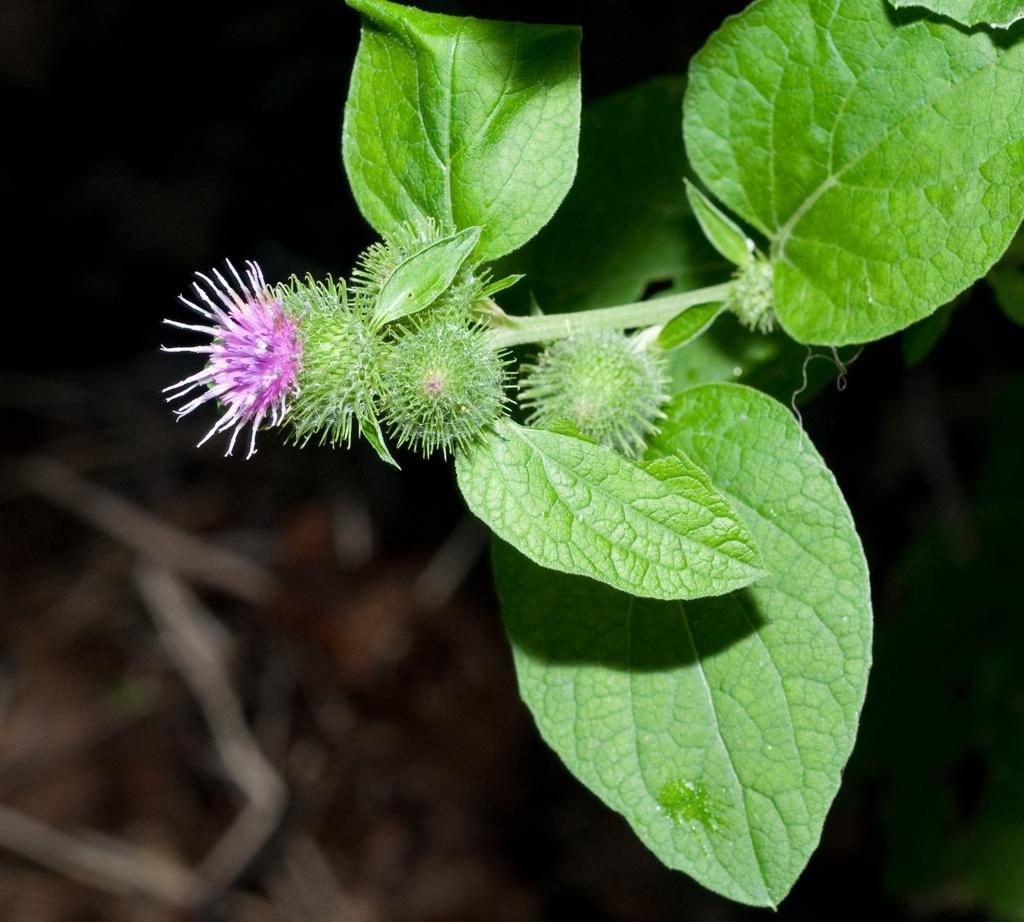
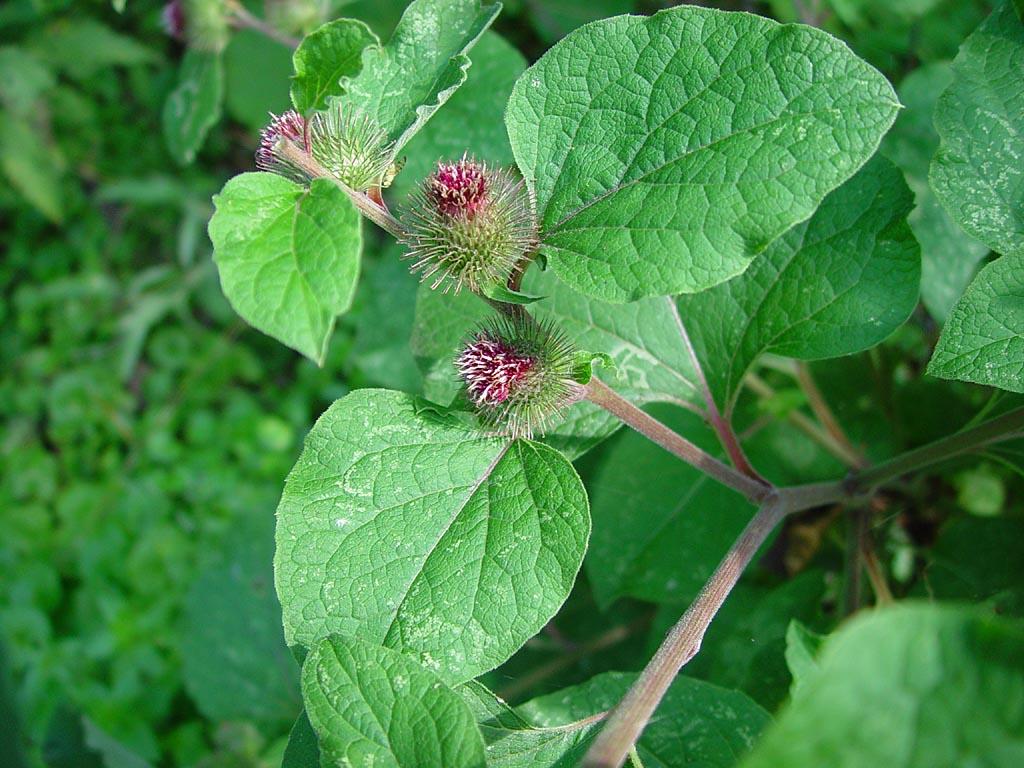
Value: Excellent for discussing seed dispersal and adaptation. Risk: Burrs can cling to clothing and hair.
Queen Anne’s Lace (Wild Carrot) (Daucus carota) – Fine feathery leaves with flat clusters of tiny white flowers.
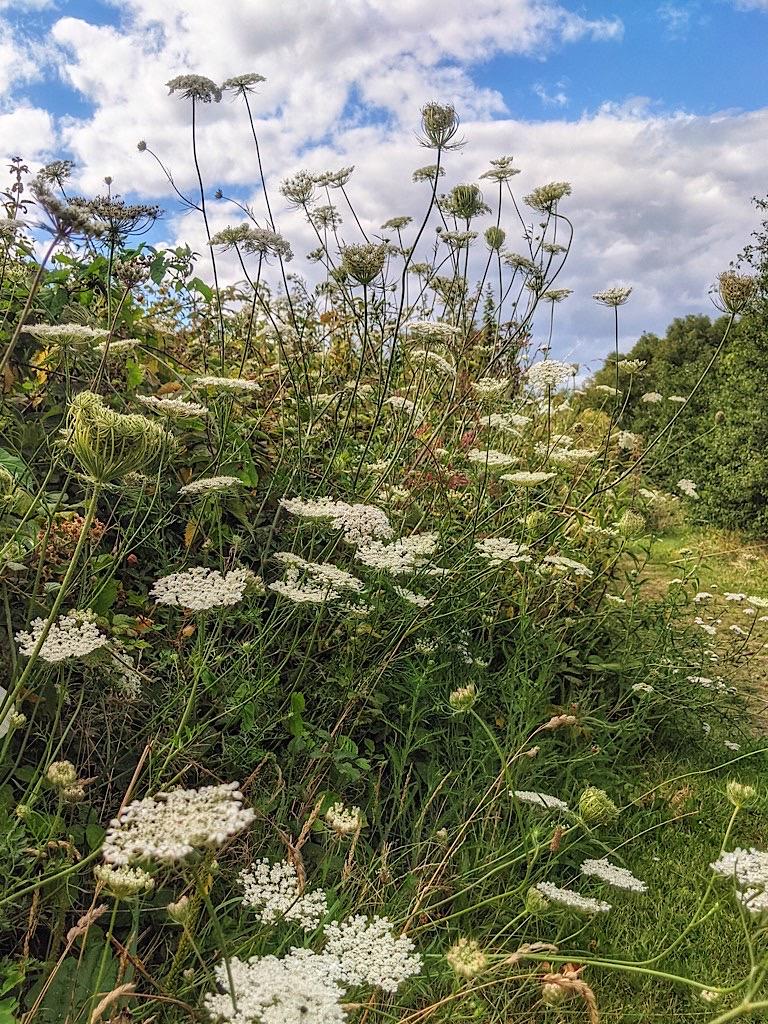
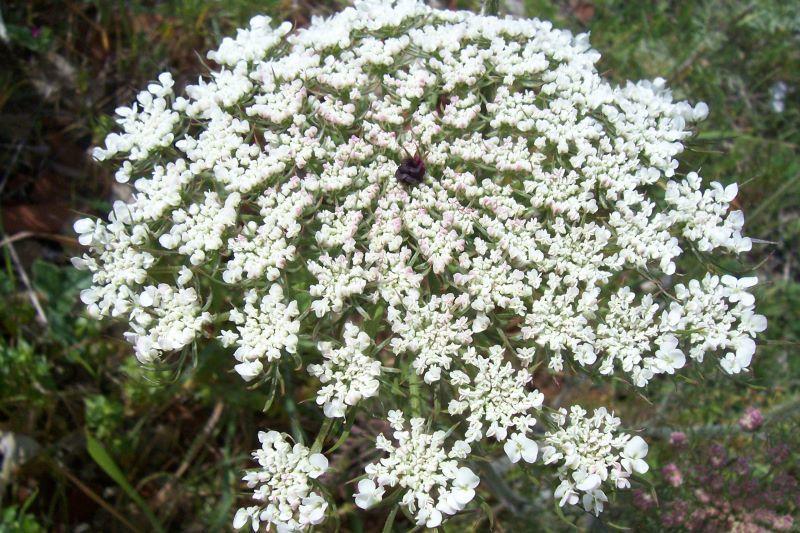
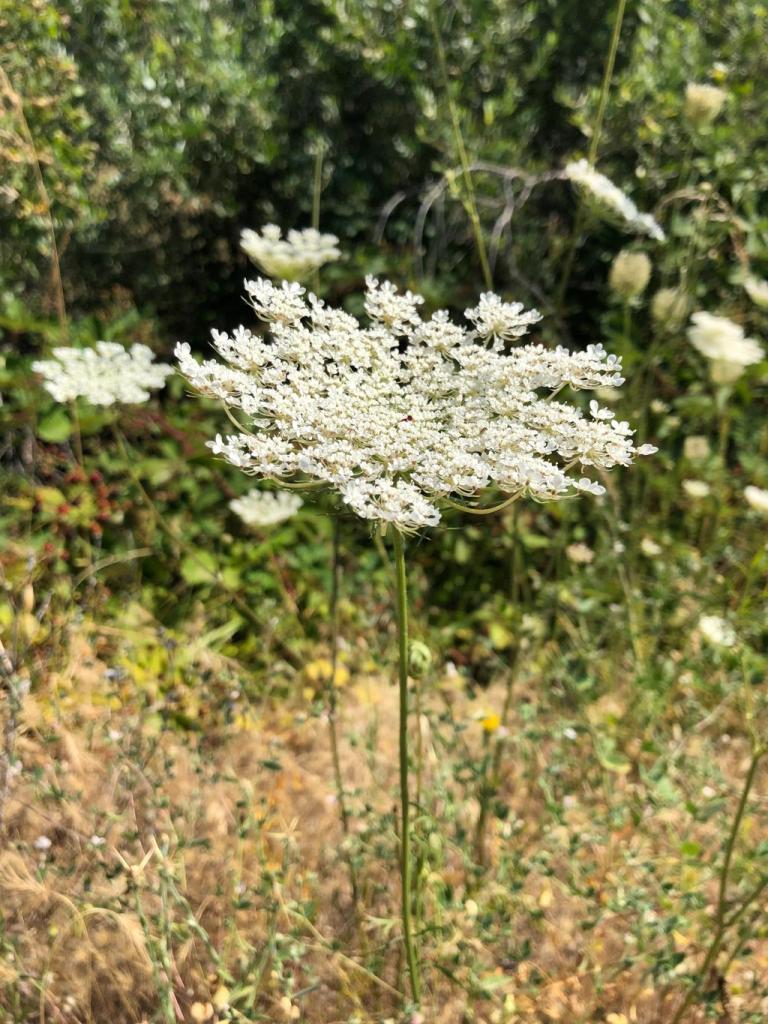
Value: Excellent pollinator plant and useful for discussing wildflowers. Risk: Can be confused with poisonous members of the carrot family.
Creeping Thistle (Cirsium arvense) – Spiny deeply lobed leaves with purple flower heads
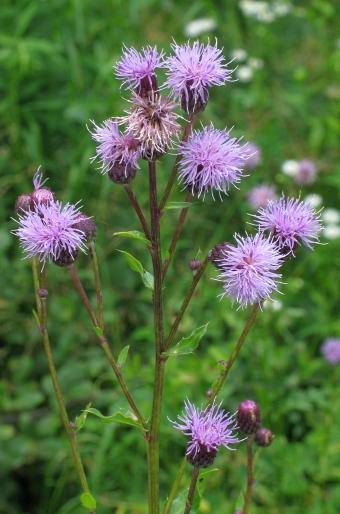
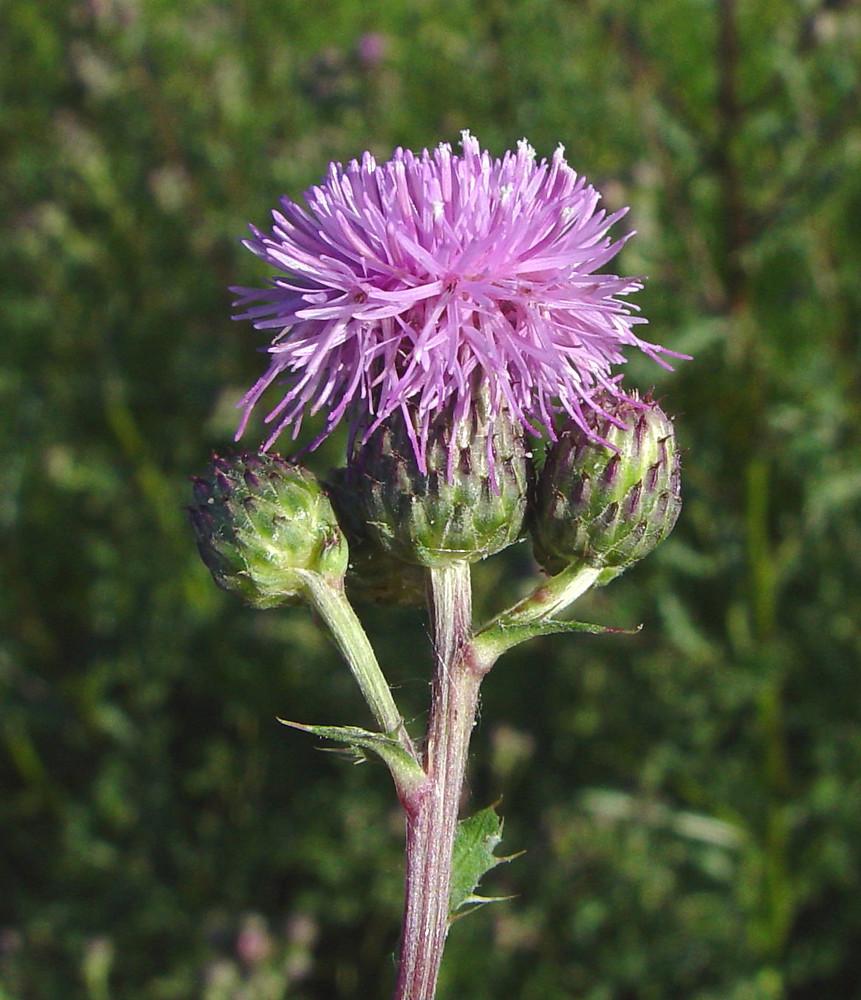
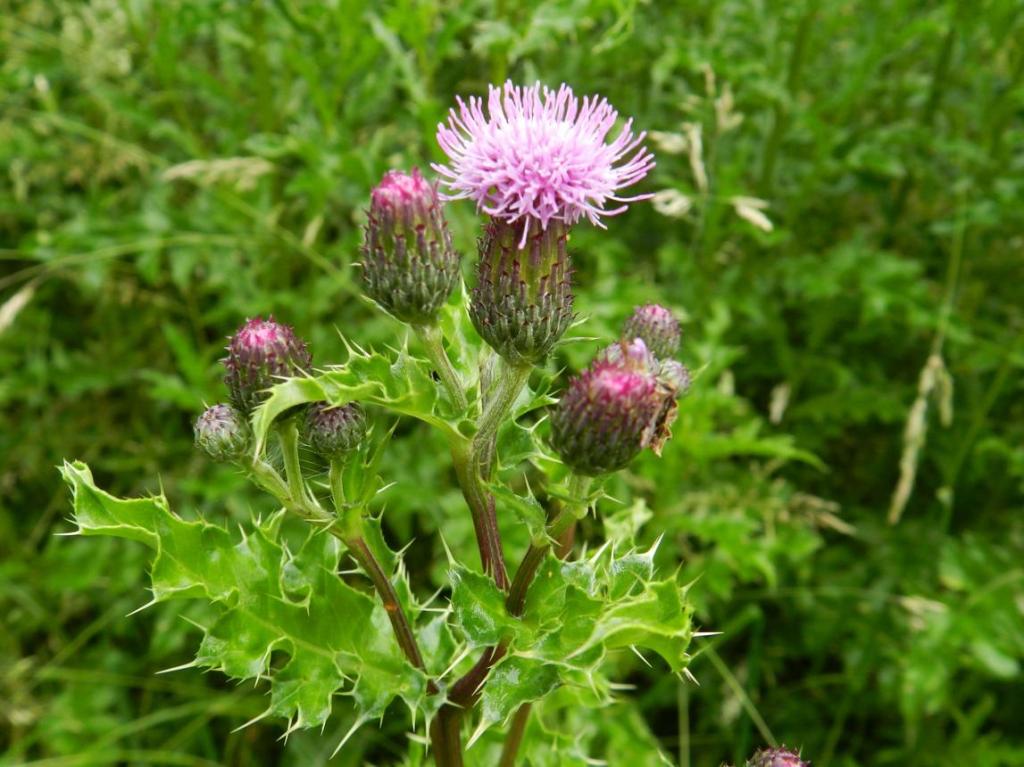
Value: Excellent nectar source for bees and butterflies. Risk: Sharp spines can prick exposed skin.


Leave a Reply