Mammals
Grey Squirrel (Sciurus carolinensis) – Grey fur and bushy tail.
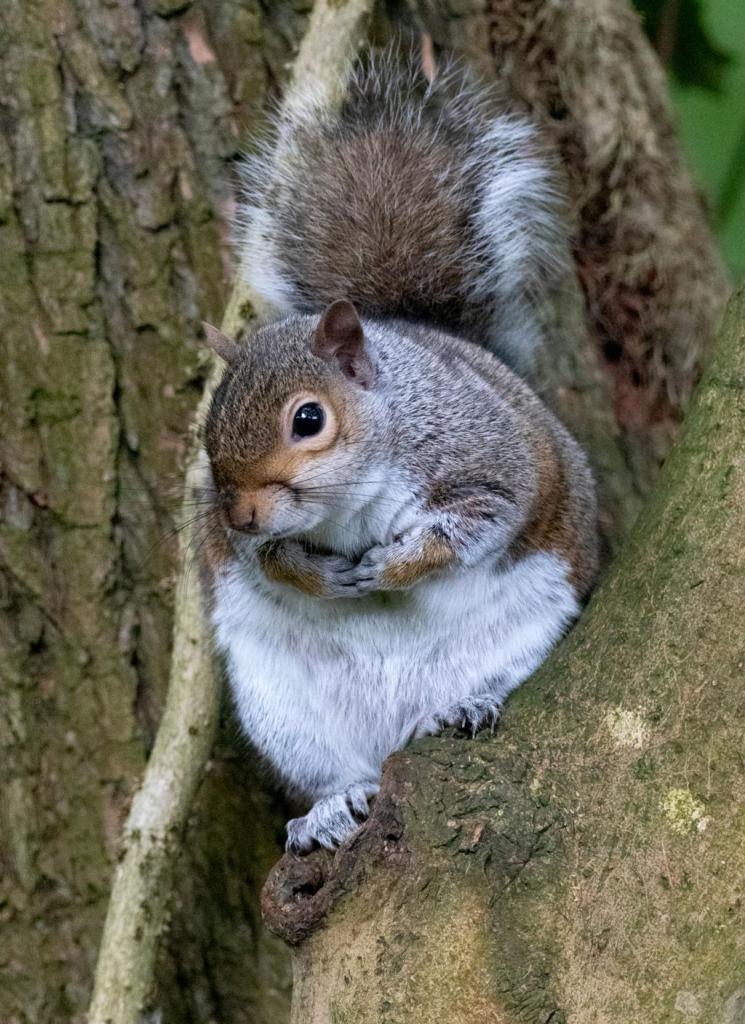
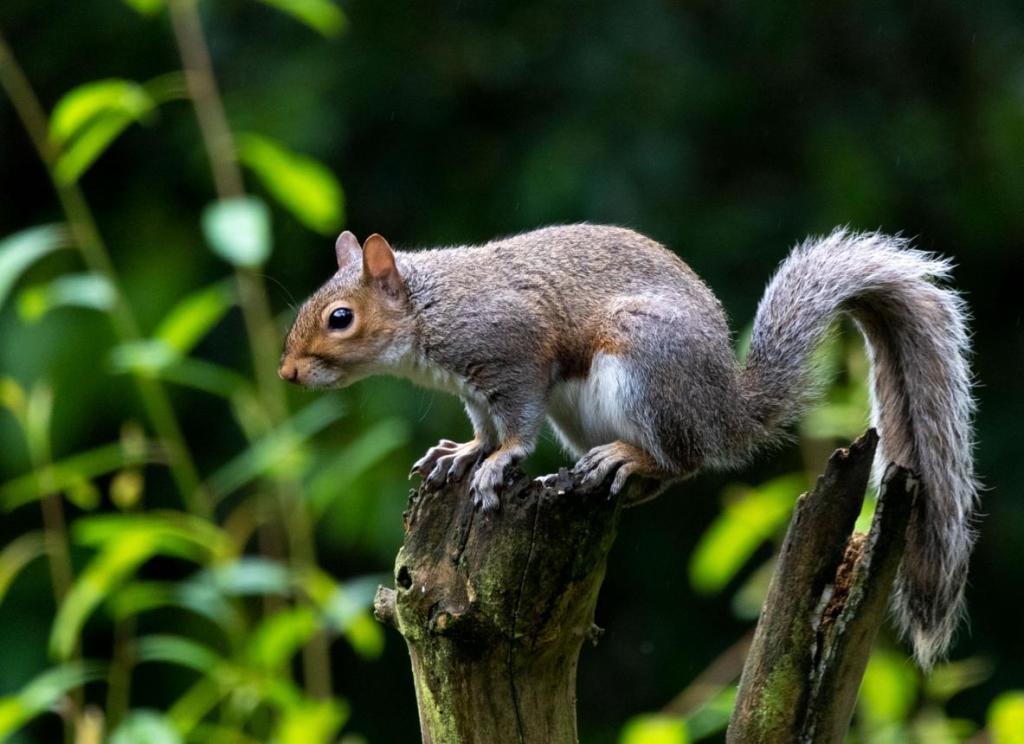
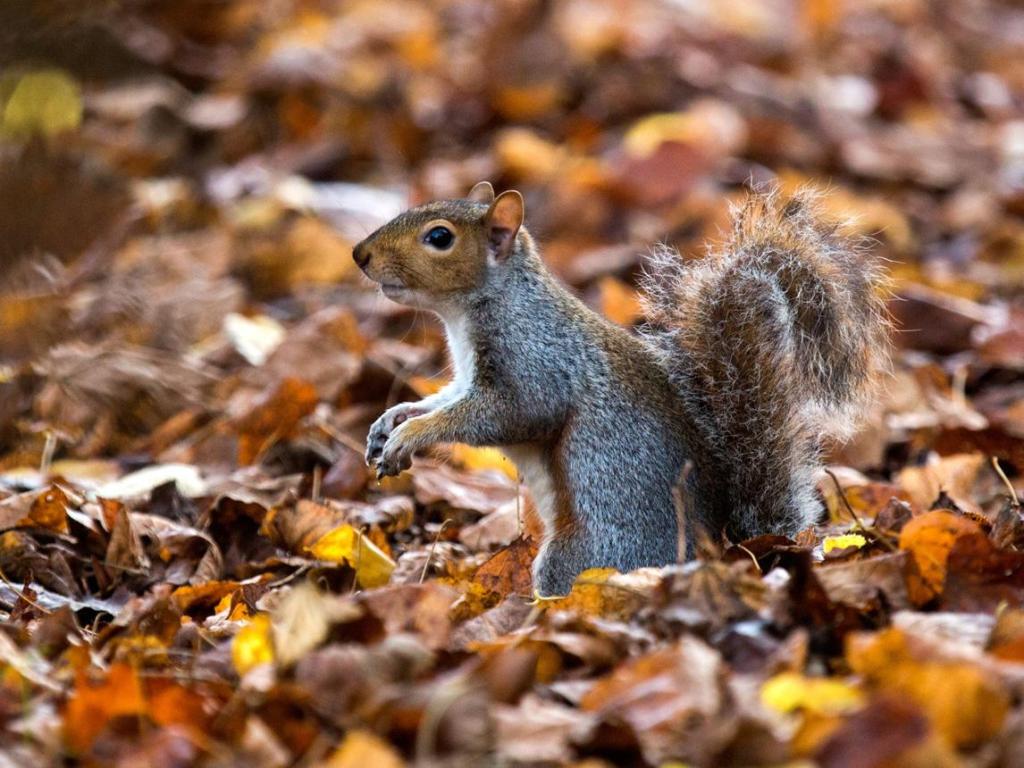
Value: Easy to observe and discuss food storage, habitats and adaptation. Risk: Students should never feed or touch wild squirrels.
Red Fox (Vulpes vulpes) – Reddish coat with a bushy white-tipped tail.
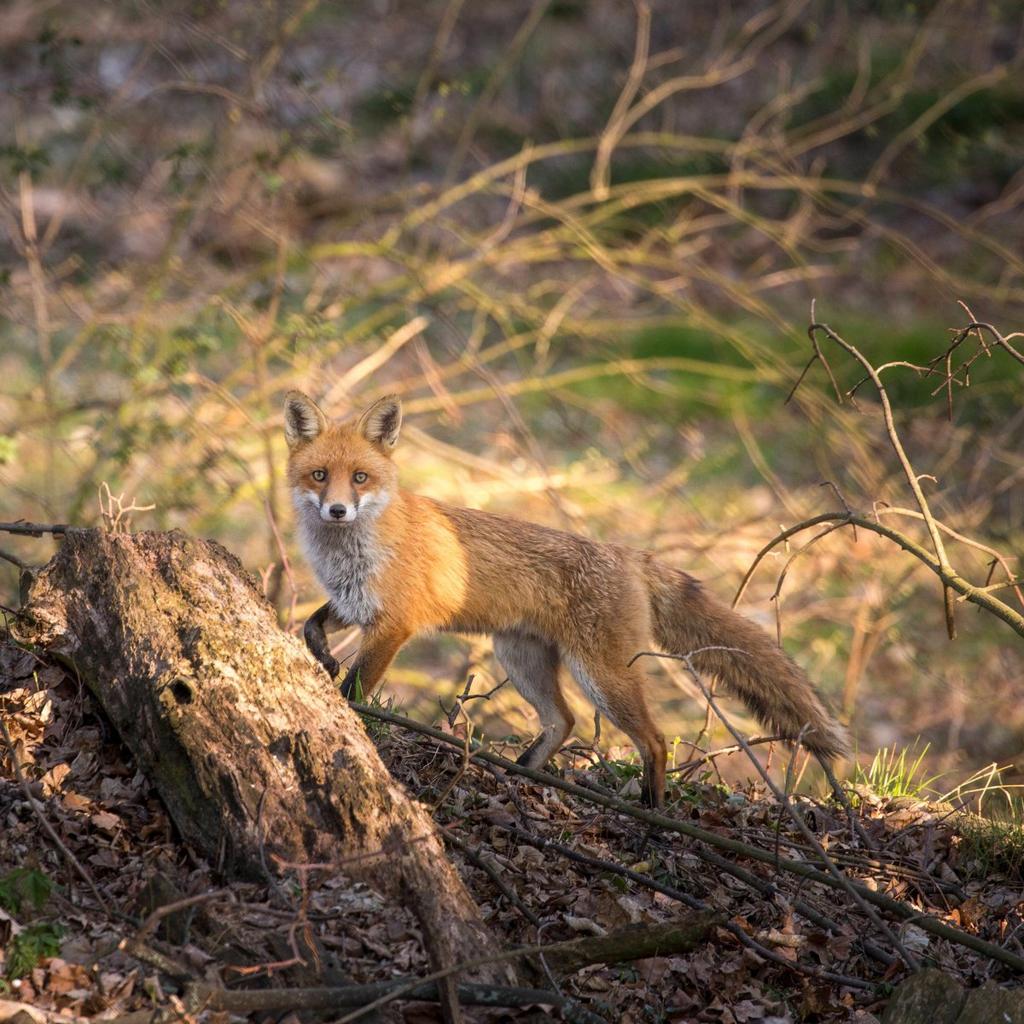
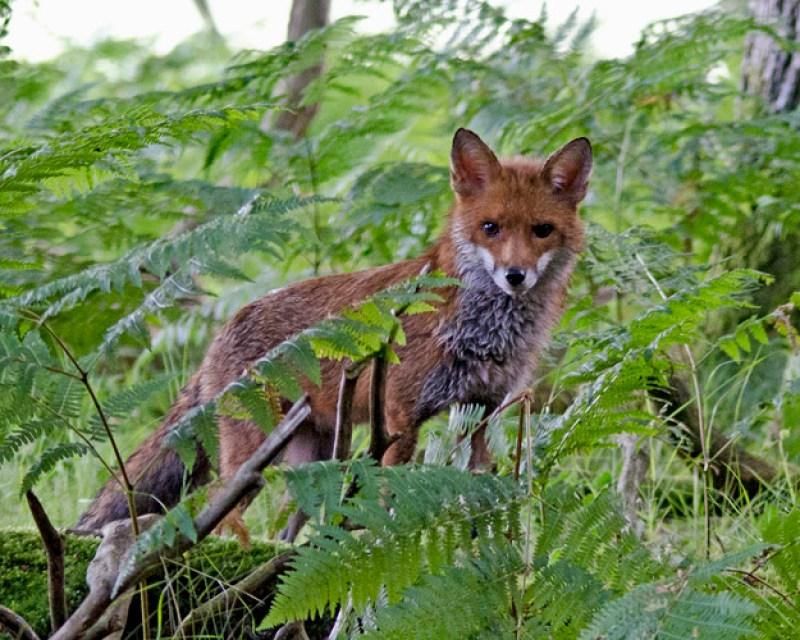
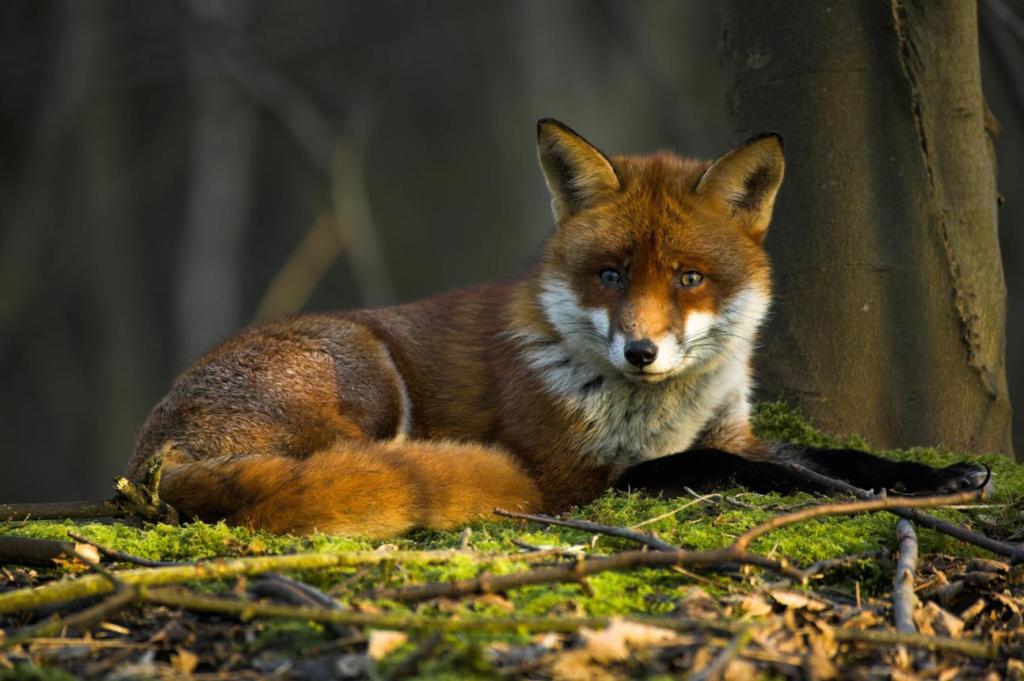
Value: Excellent for discussing food chains, nocturnal animals and tracks. Risk: Observe from a distance and never approach. Be wary of holes created in the ground.
European Hedgehog (Erinaceus europaeus) – Small mammal covered in protective spines.
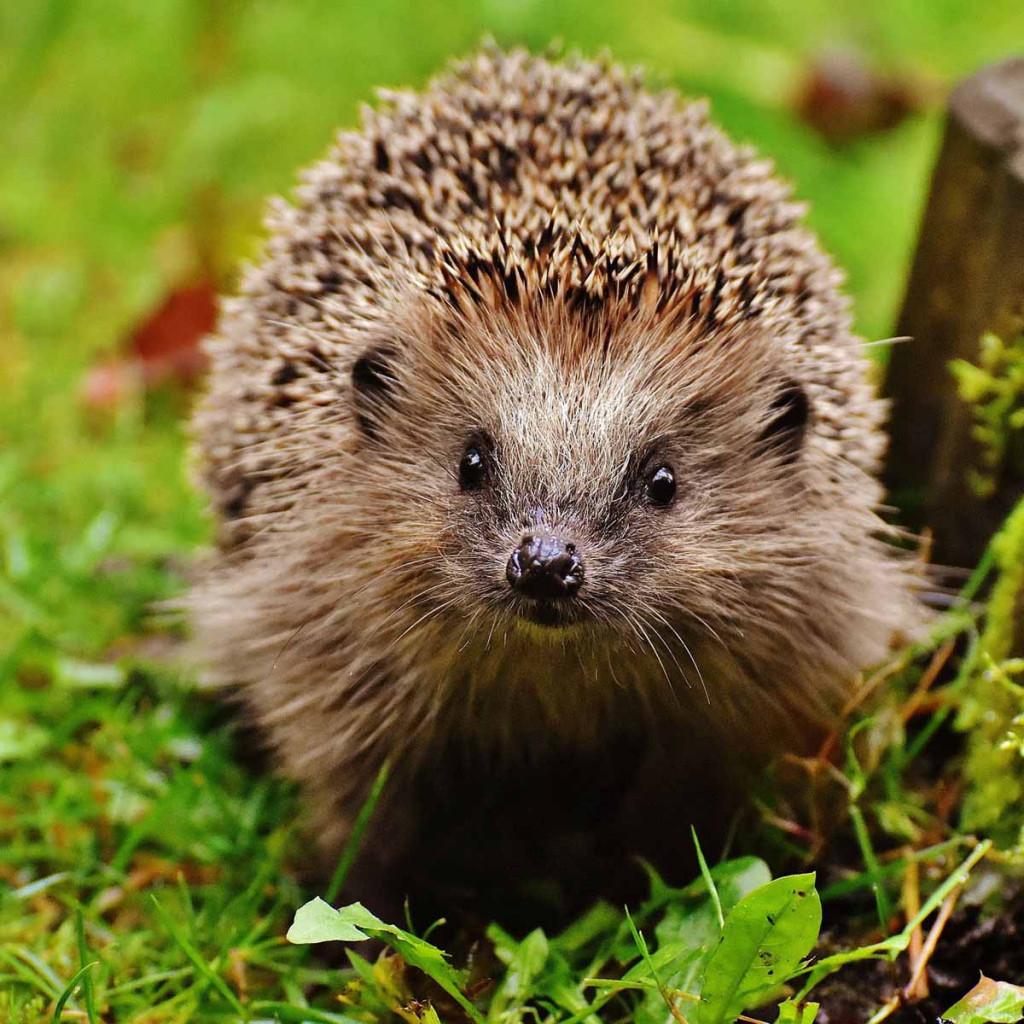
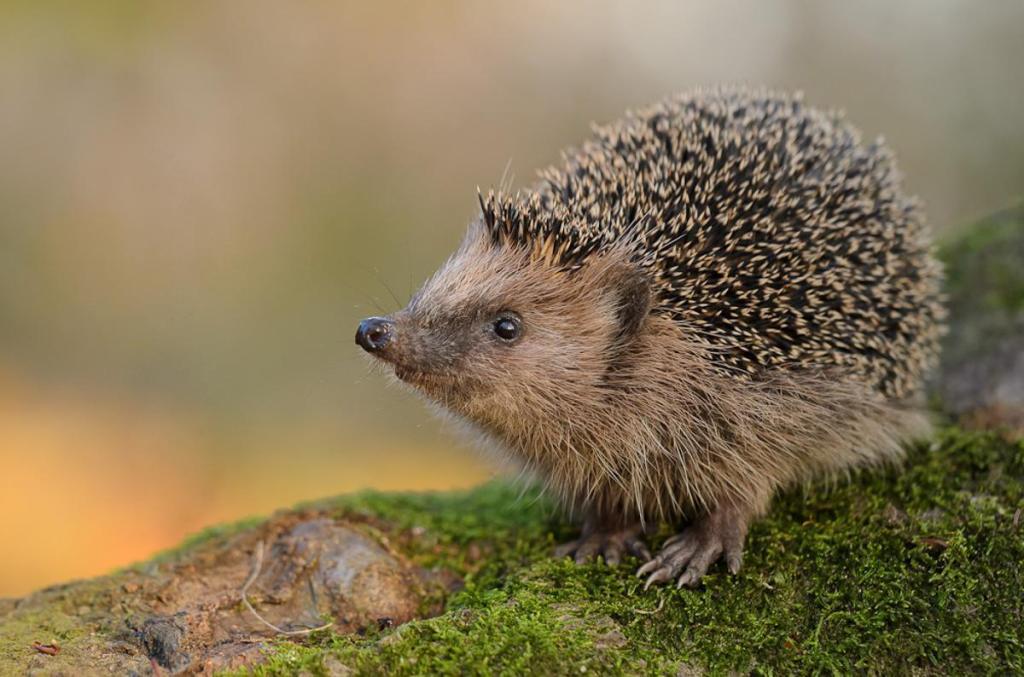
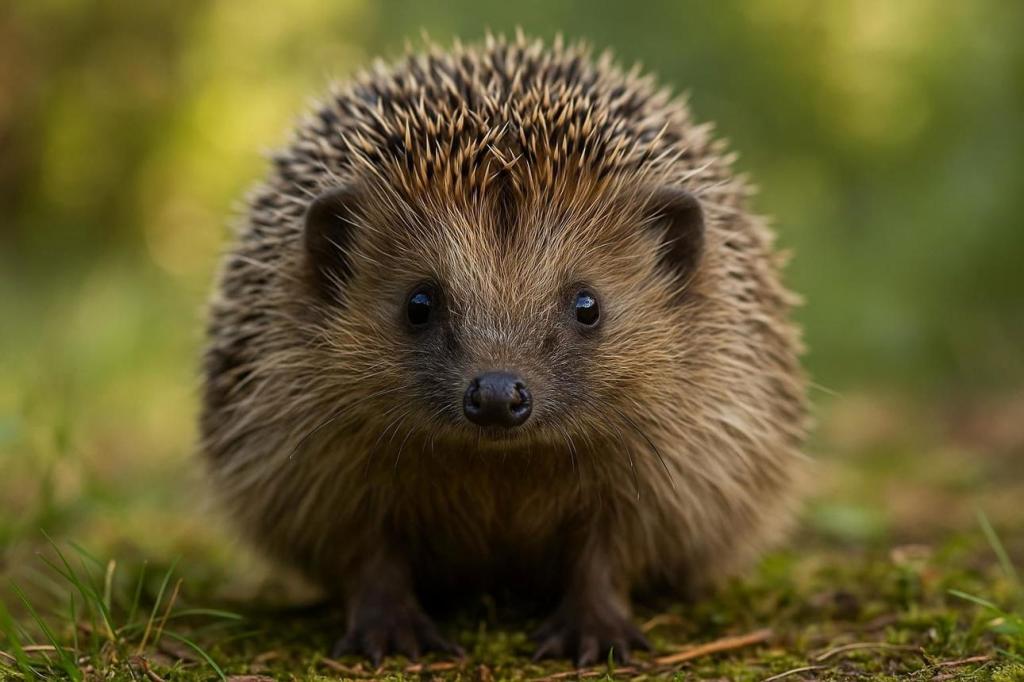
Value: Excellent conservation species and discussion about habitat loss. Risk: Avoid handling due to stress and parasites.
European Rabbit (Oryctolagus cuniculus) – Long ears, powerful hind legs and white tail.
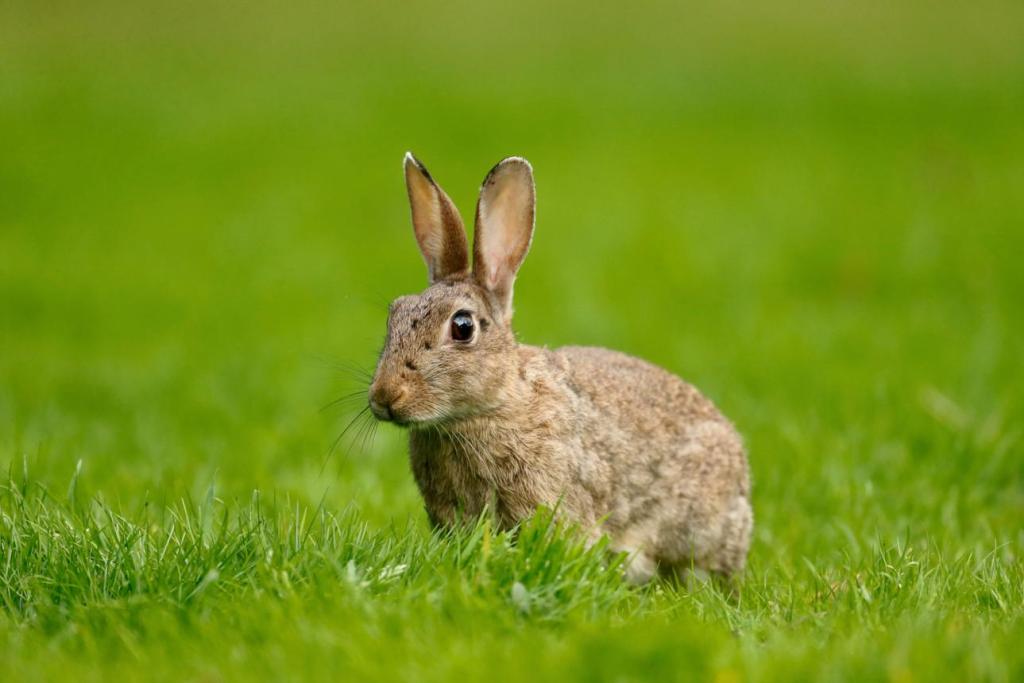
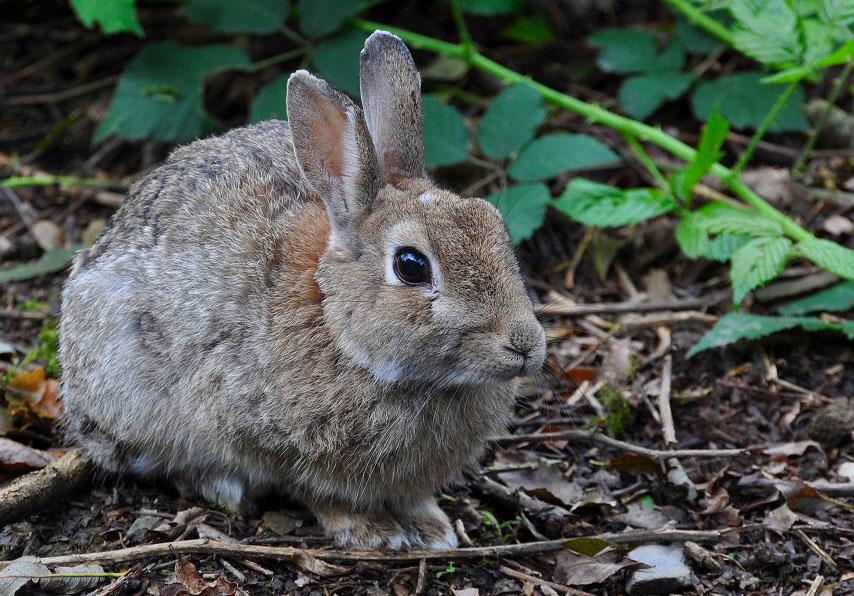
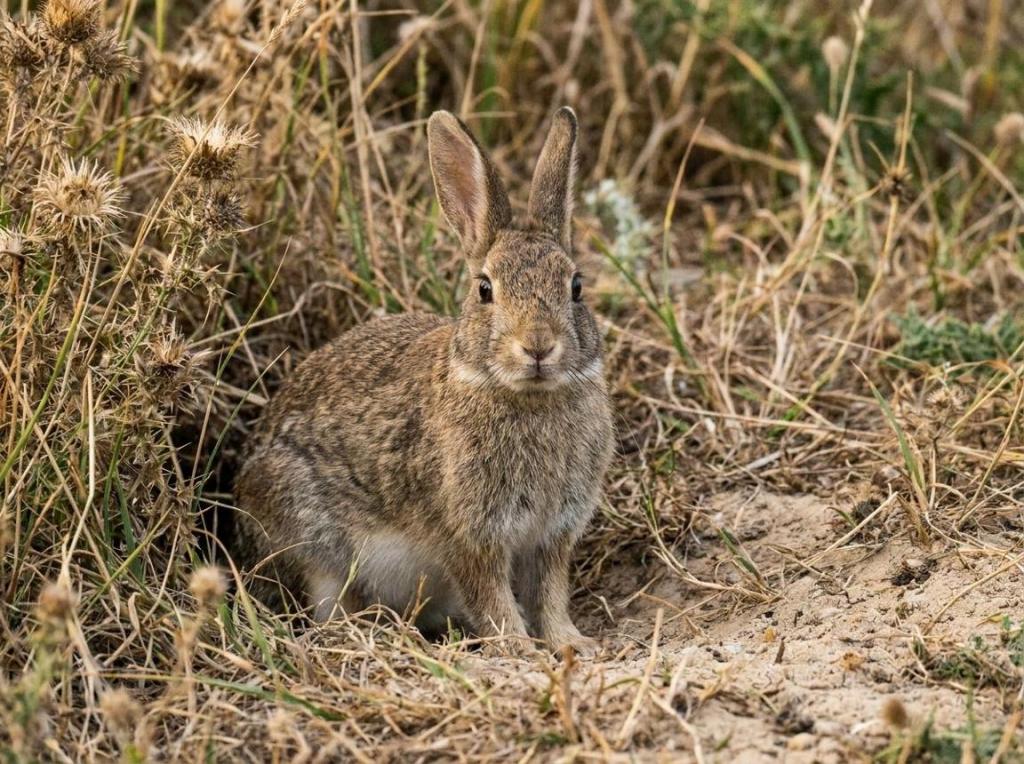
Value: Burrows and tracks provide excellent learning opportunities. Risk: Rabbit holes can create trip hazards.
Badger (Meles meles) – Stocky body with distinctive black-and-white striped face.
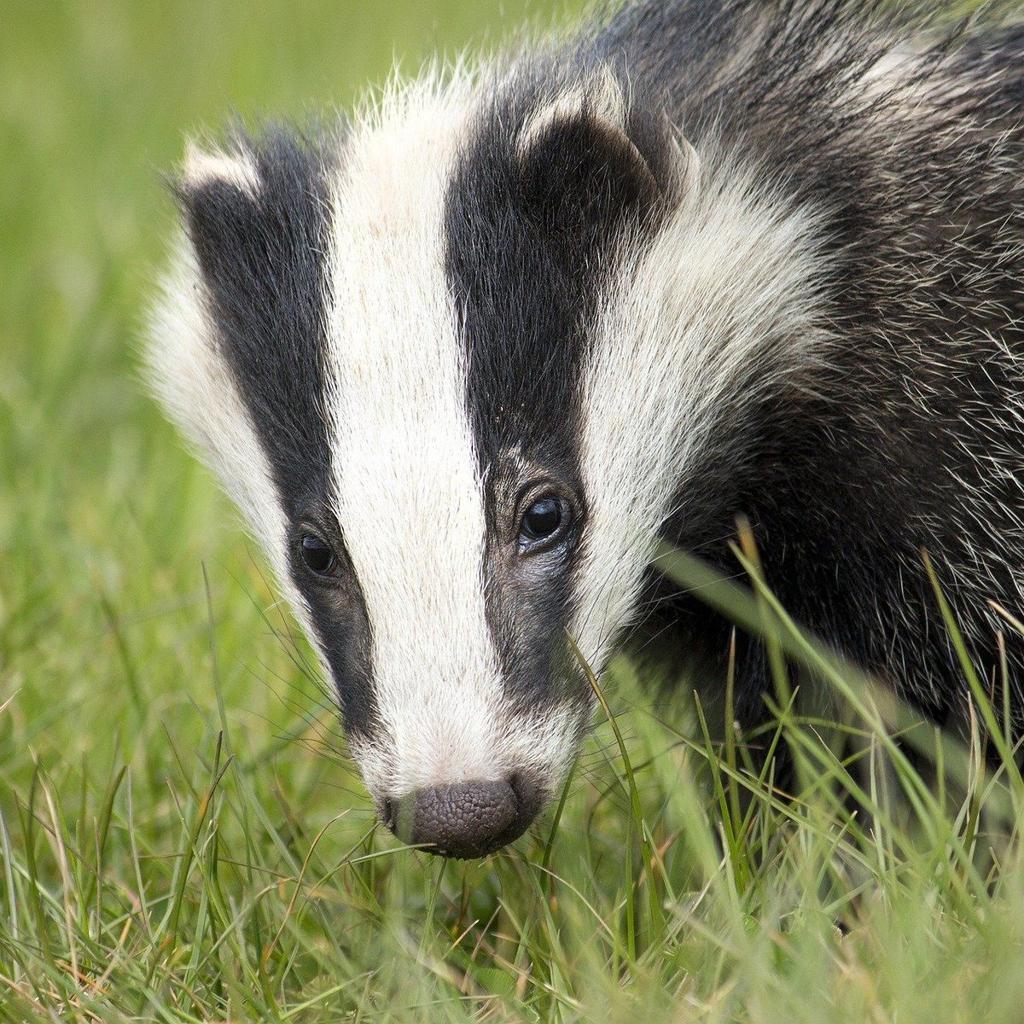
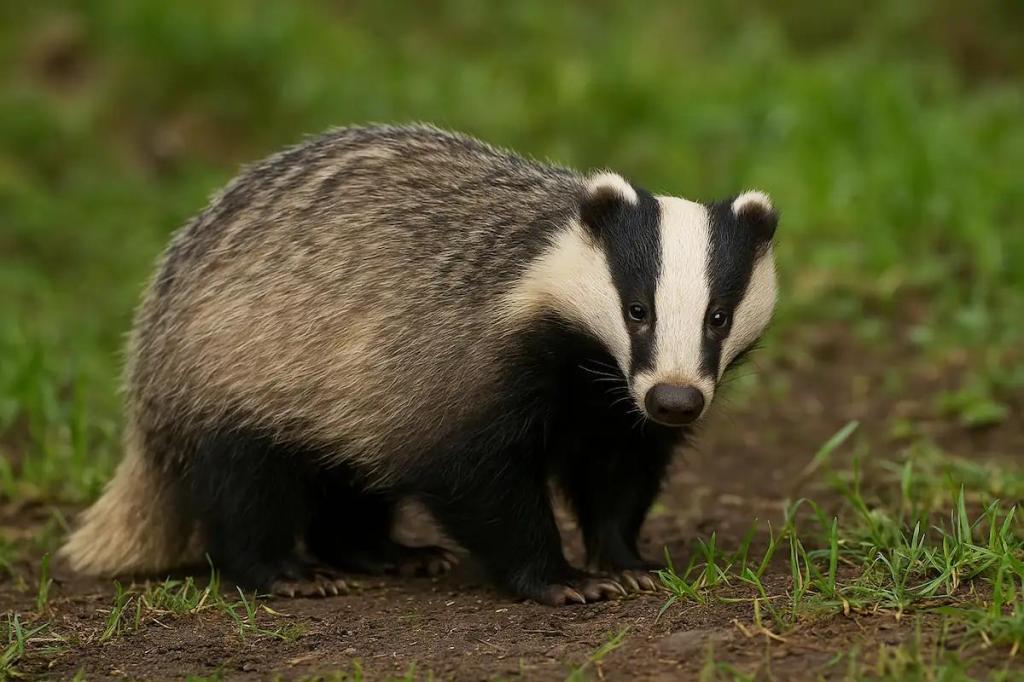
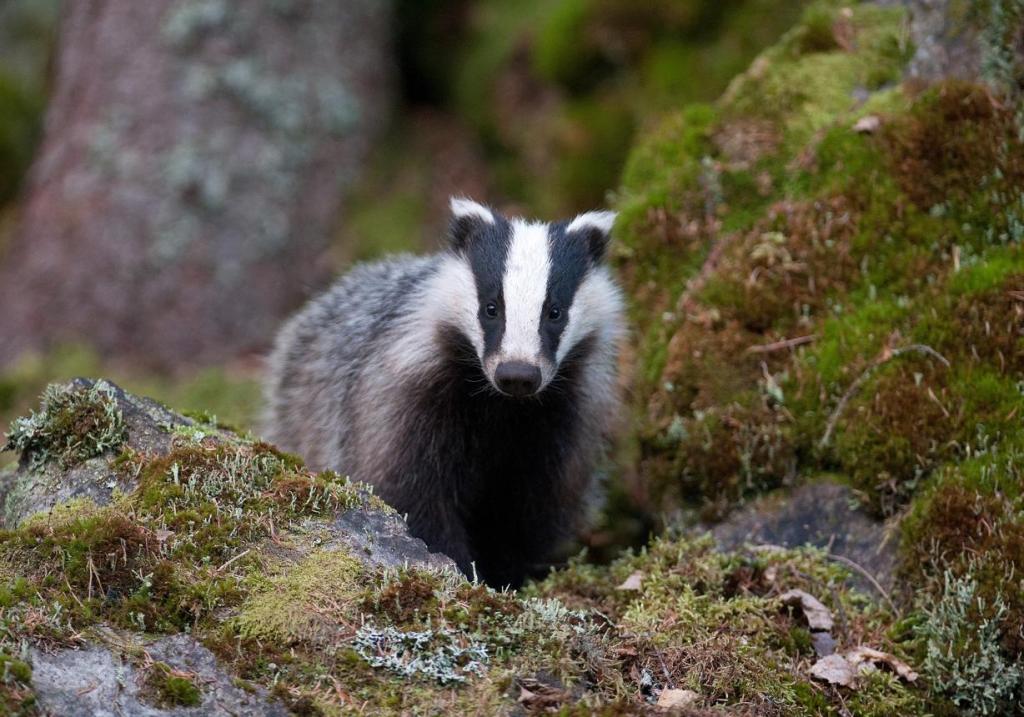
Value: Encourages discussion about woodland mammals and setts. Risk: Never disturb active setts or approach badgers. Holes in the ground create trip hazards.

 Forest Footsteps
Leave a comment