Ground Layer (Fungi)
Fungi | Fly Agaric (Amanita muscaria) – Bright red cap with white spots.
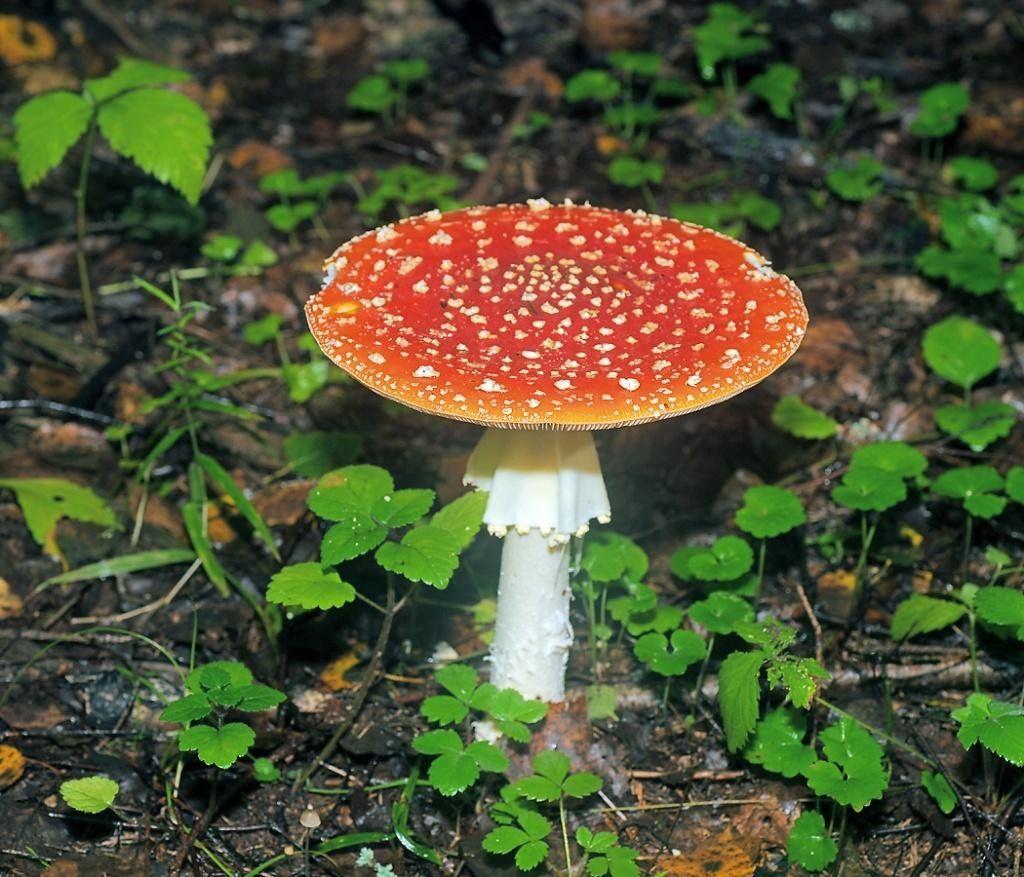
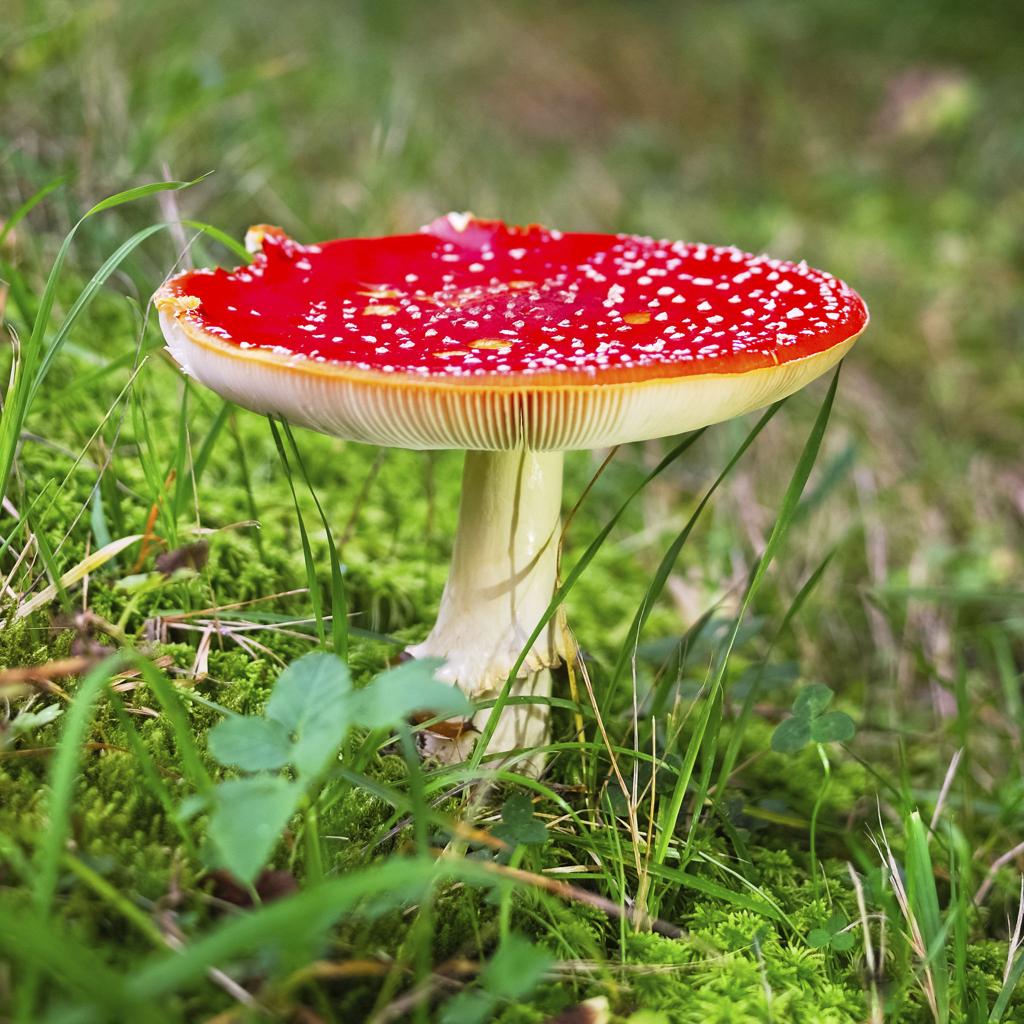
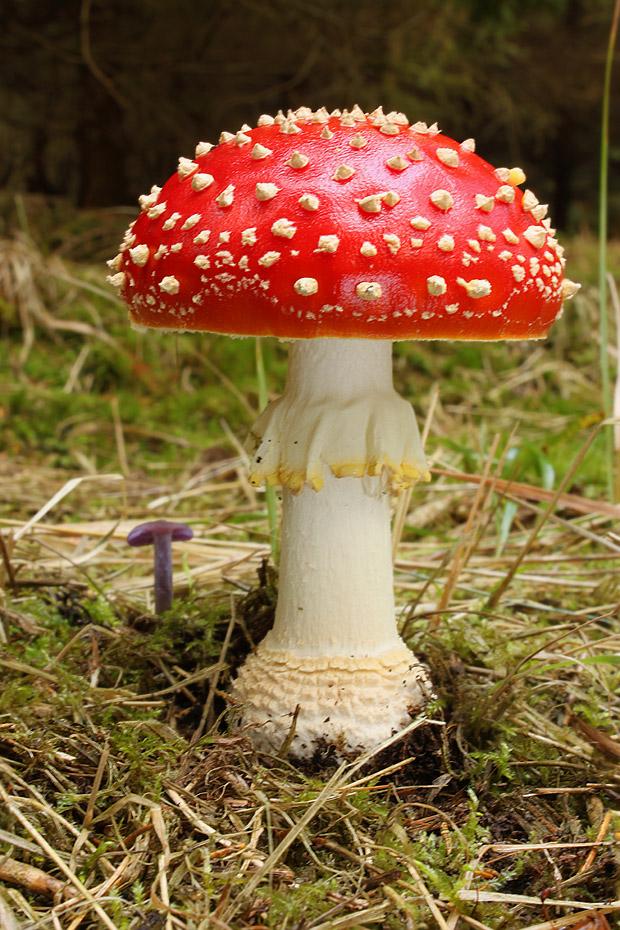
Value: Highly recognisable and useful for teaching that not all fungi are safe. Risk: Poisonous—never touch or eat.
Turkey Tail (Trametes versicolor) – Thin, fan-shaped bracket fungus with colourful concentric bands.
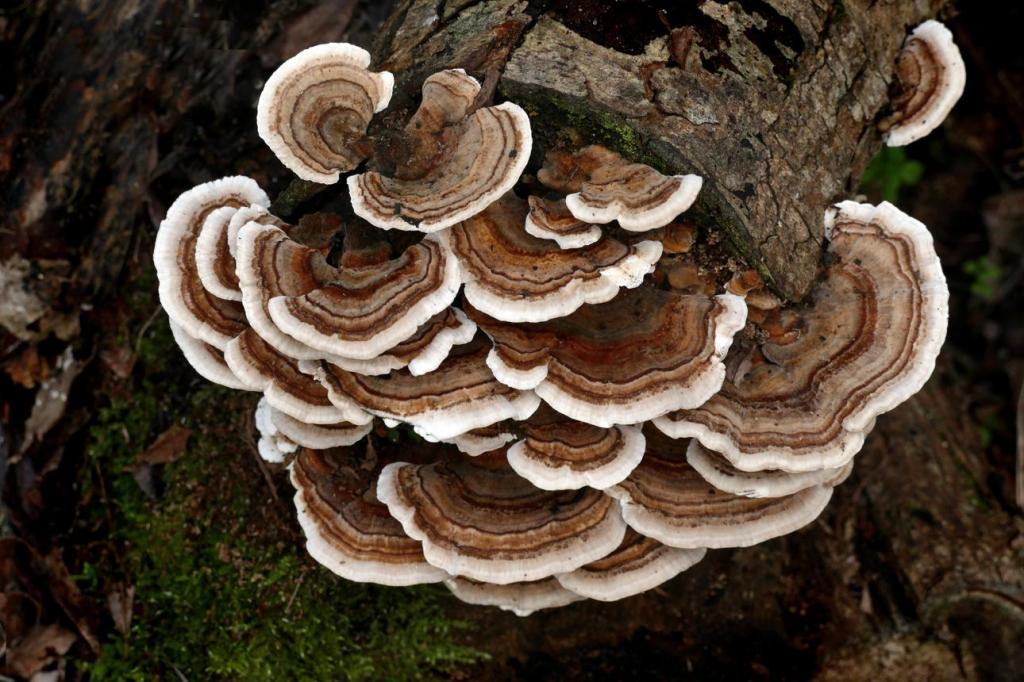
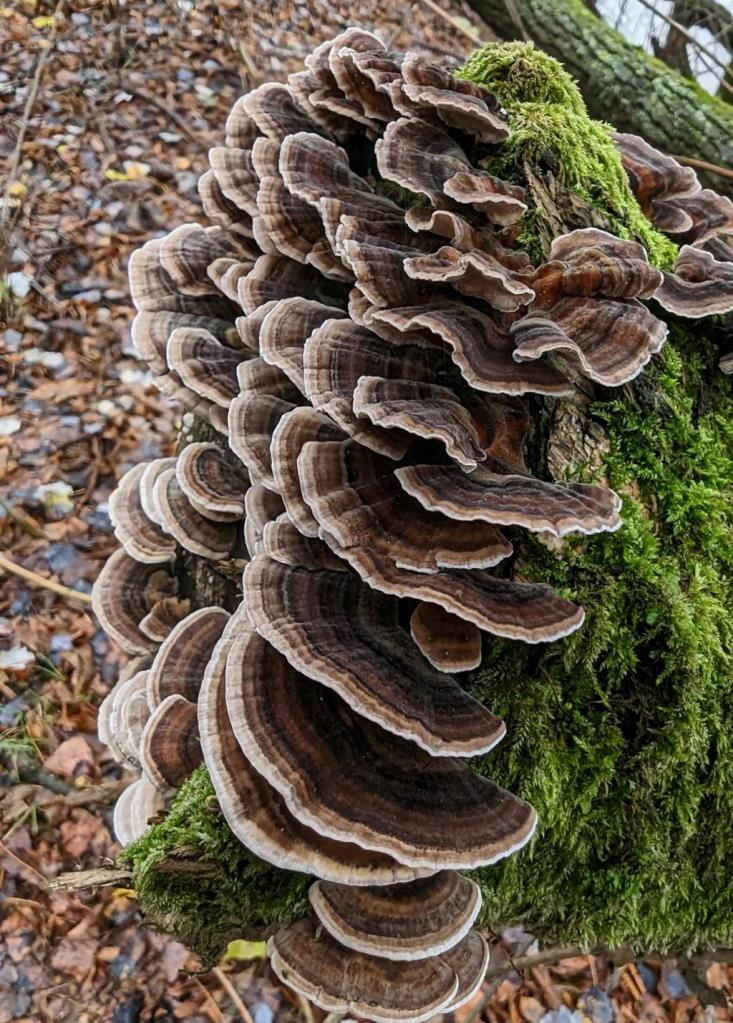
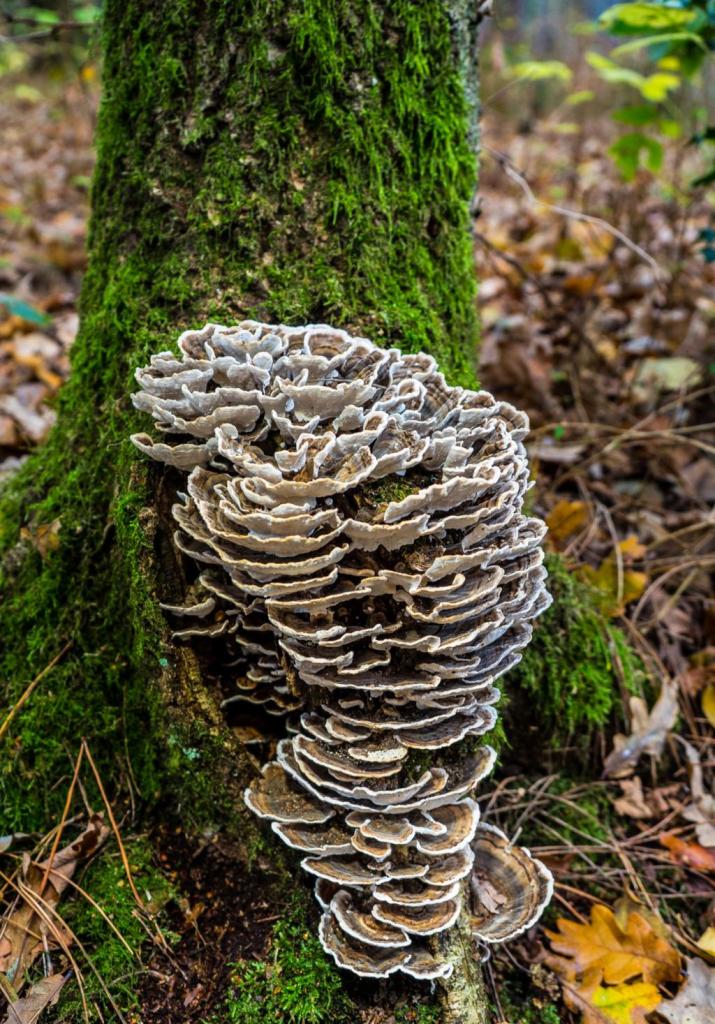
Value: Excellent example of decomposition and nutrient recycling. Risk: Ensure students leave fungi in place to continue their ecological role.
King Alfred’s Cakes (Daldinia concentrica) – Hard black round fungal bodies growing mainly on dead ash.
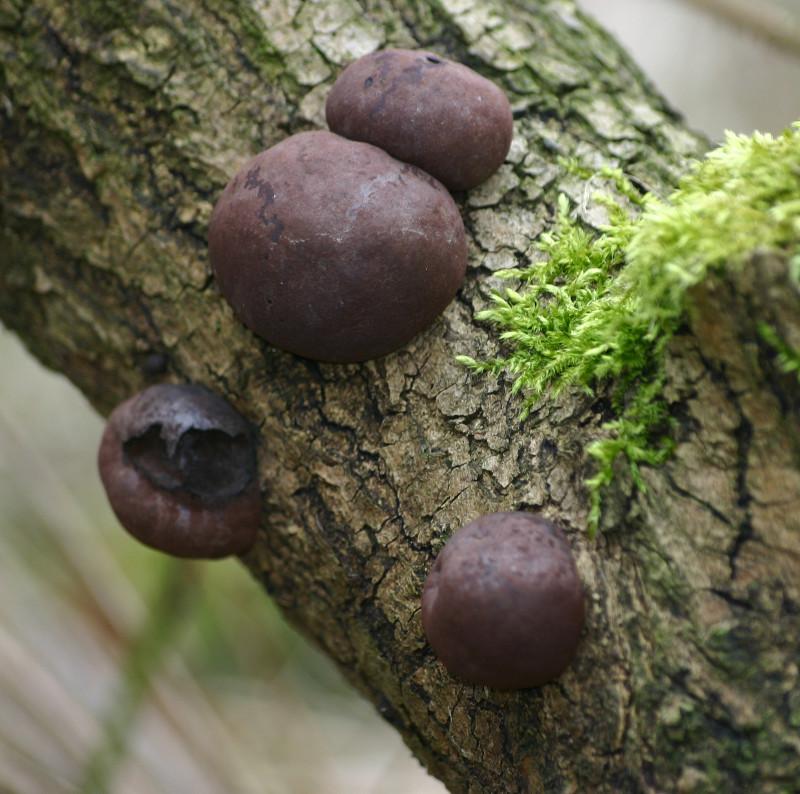
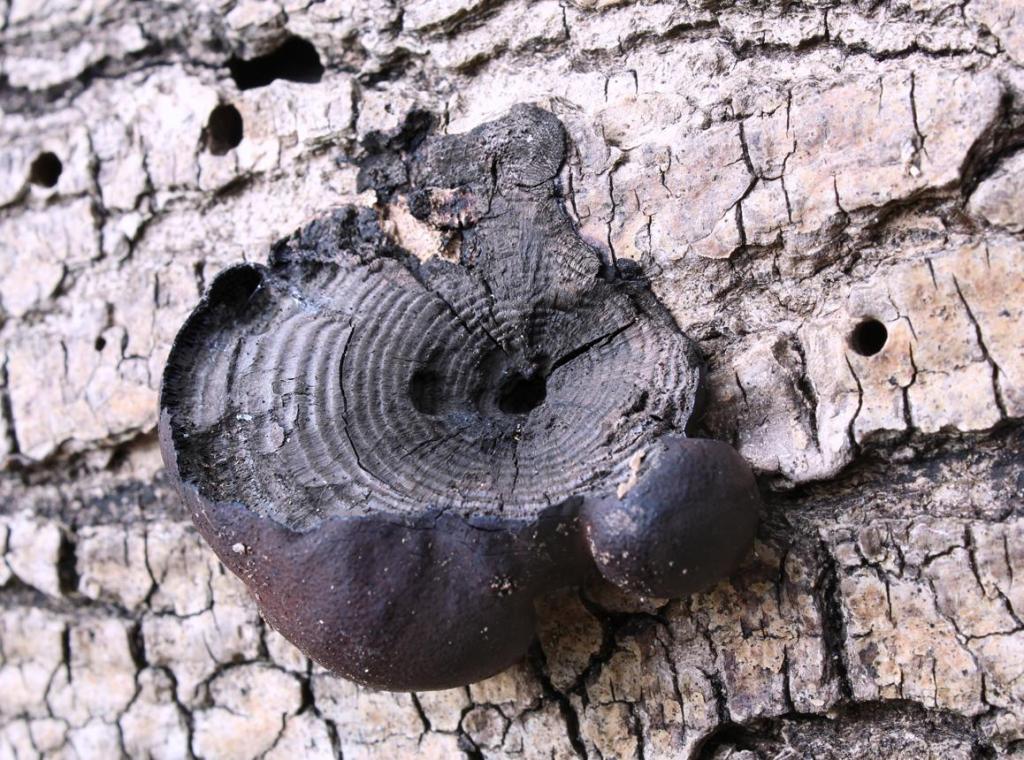
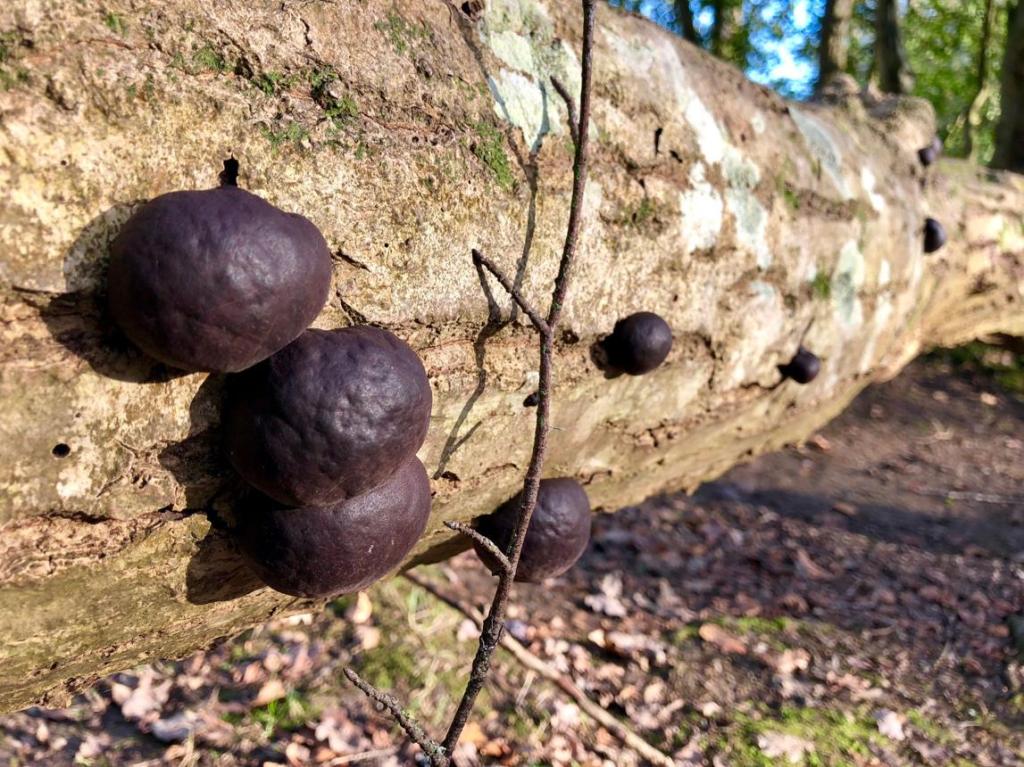
Value: Demonstrates woodland decay and was traditionally used as tinder. Risk: Leave attached to deadwood where possible to support the ecosystem.
Birch Polypore (Fomitopsis betulina) – Smooth pale bracket fungus growing almost exclusively on birch trees.
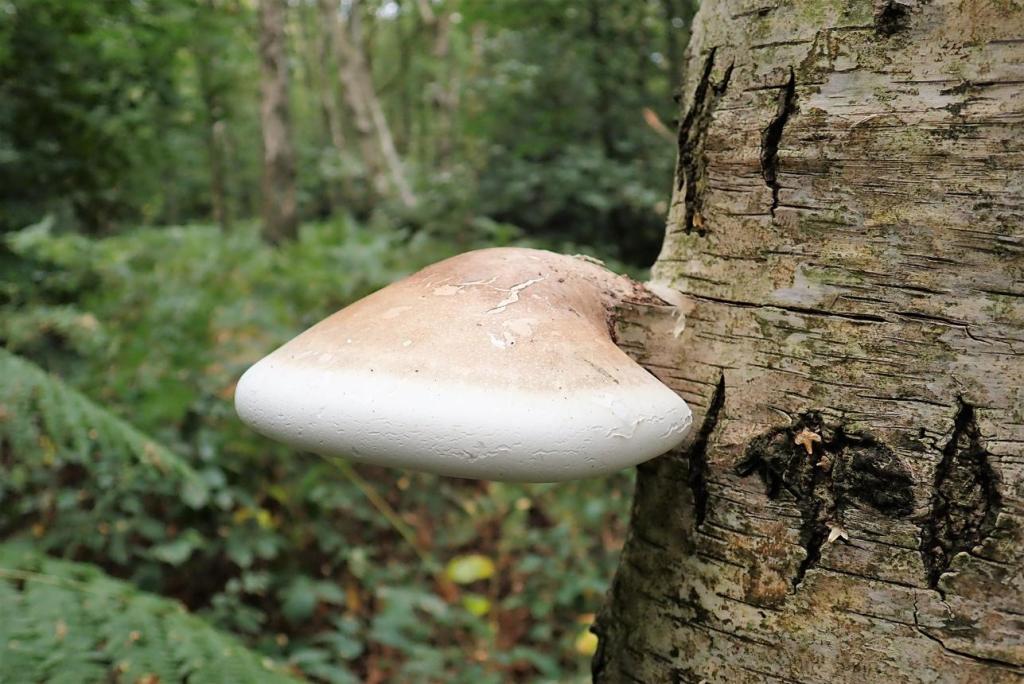
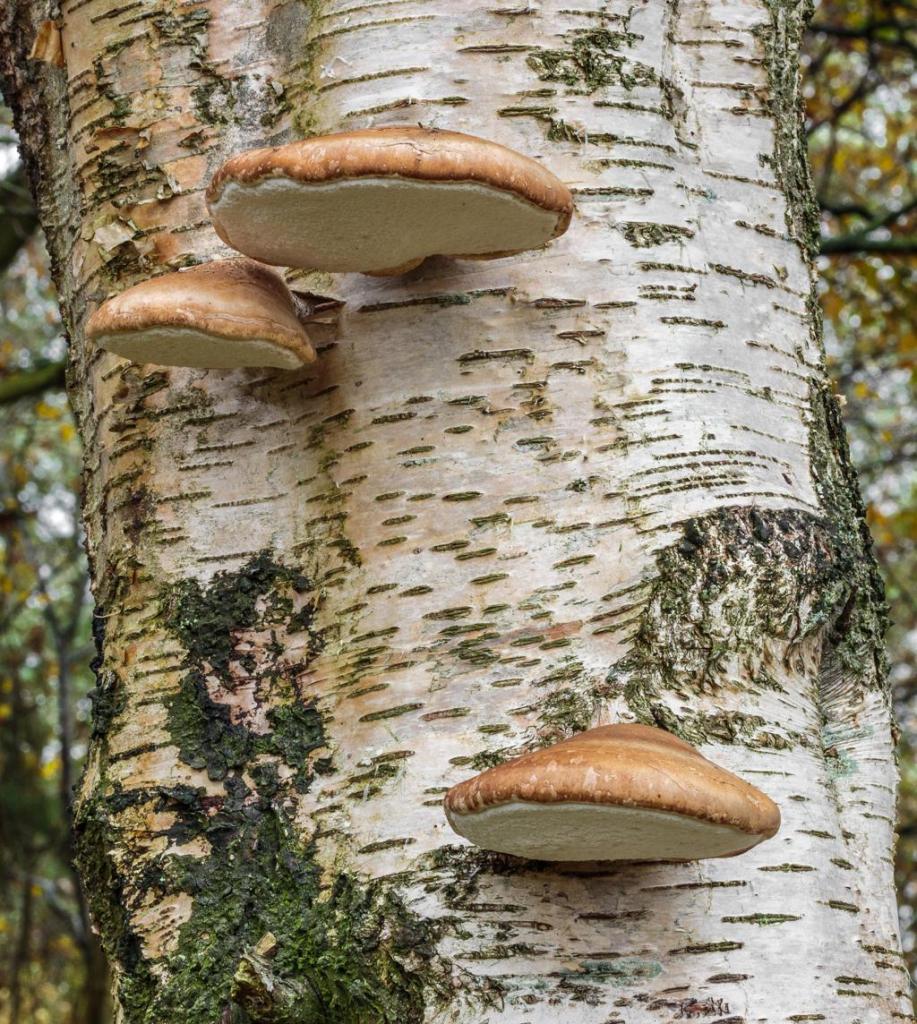
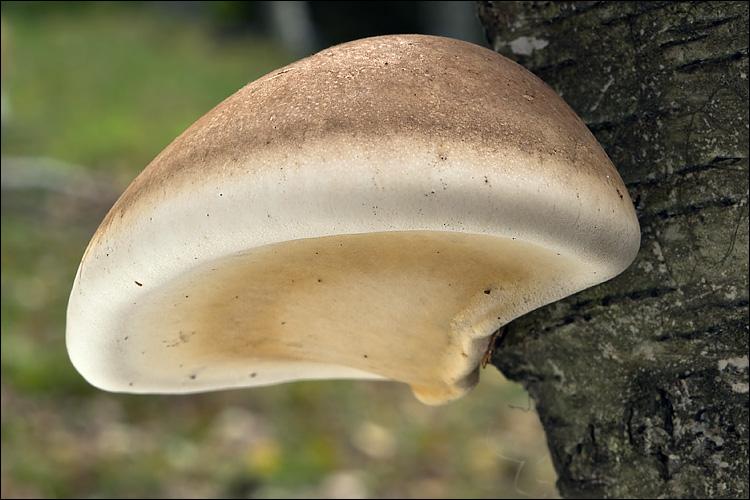
Value: Encourages discussion about tree health and decomposition. Risk: Large fungal brackets may indicate internal decay in trees.
Common Earthball (Scleroderma citrinum) – Round yellow-brown fungus with a thick skin and dark interior.
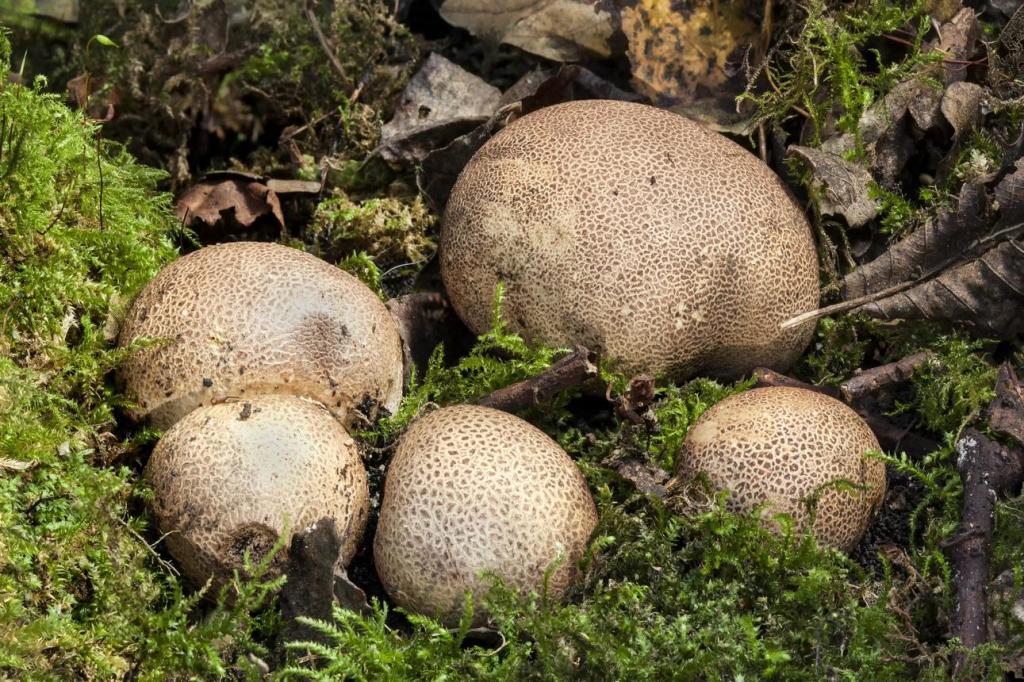
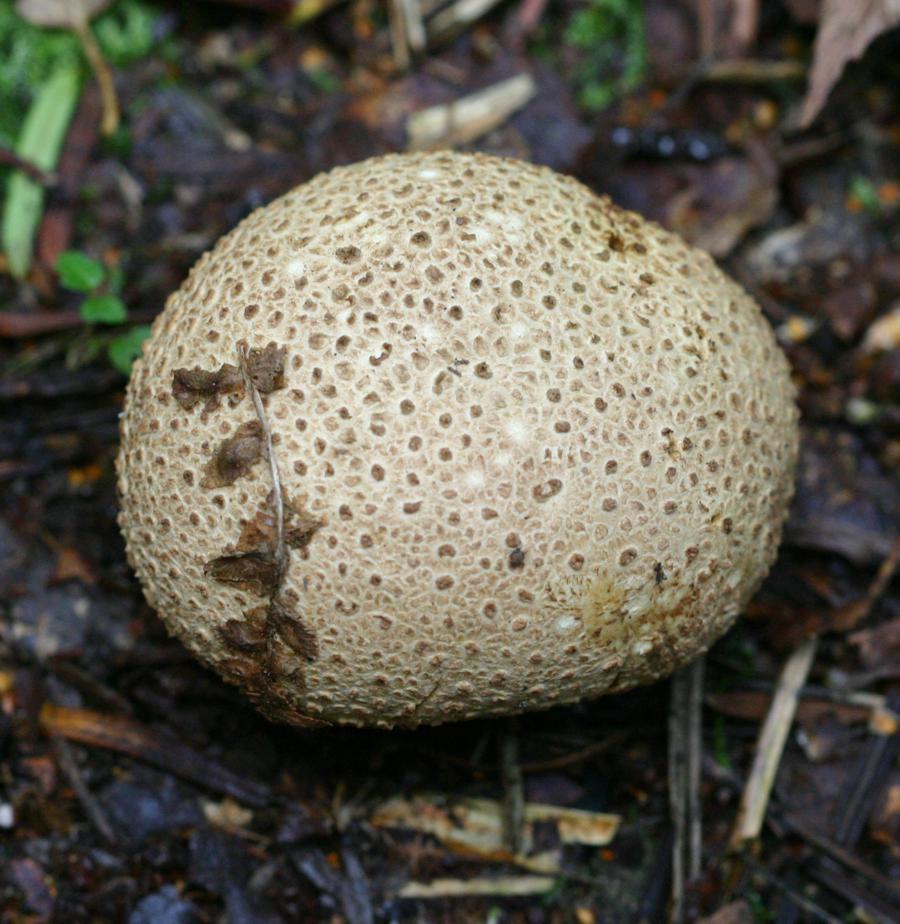
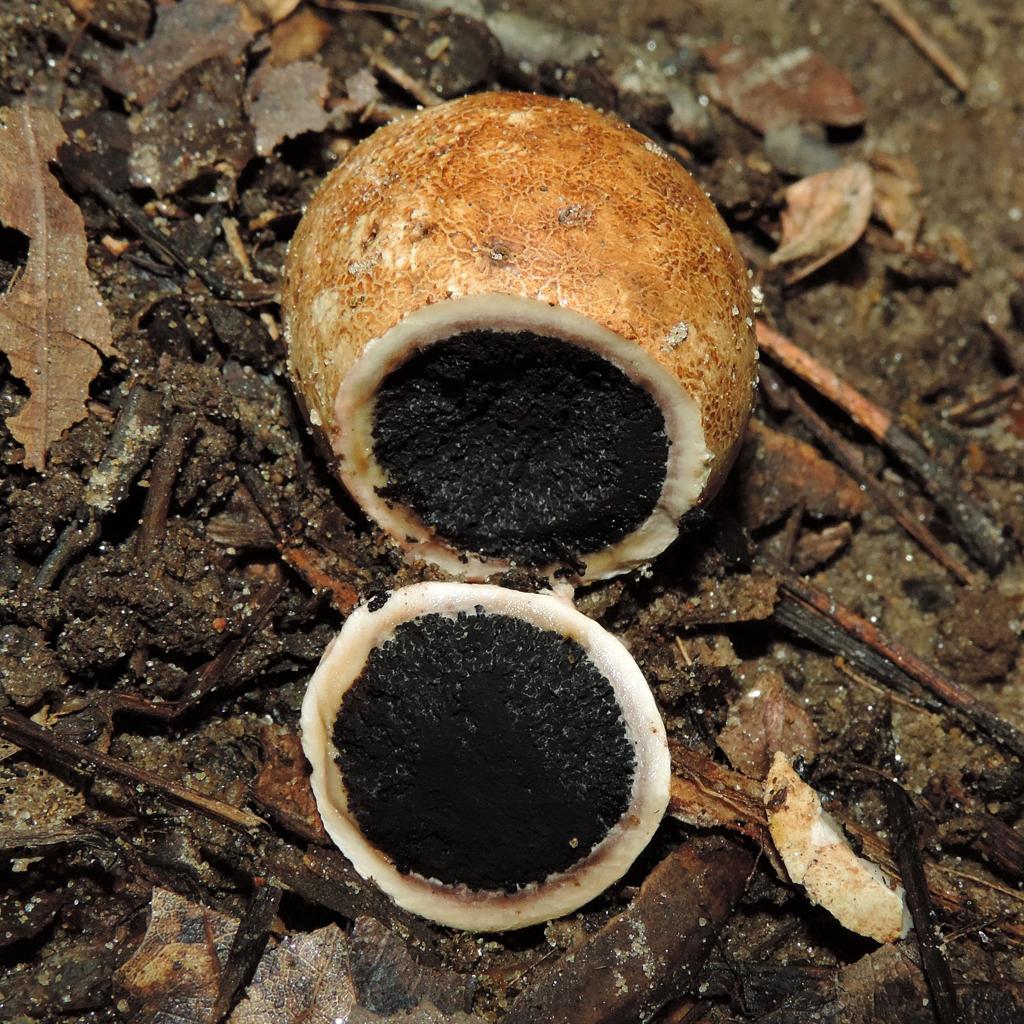
Value: Excellent for comparing poisonous fungi with edible puffballs during identification activities. Risk: Poisonous—students should never pick or eat wild fungi.


Leave a Reply